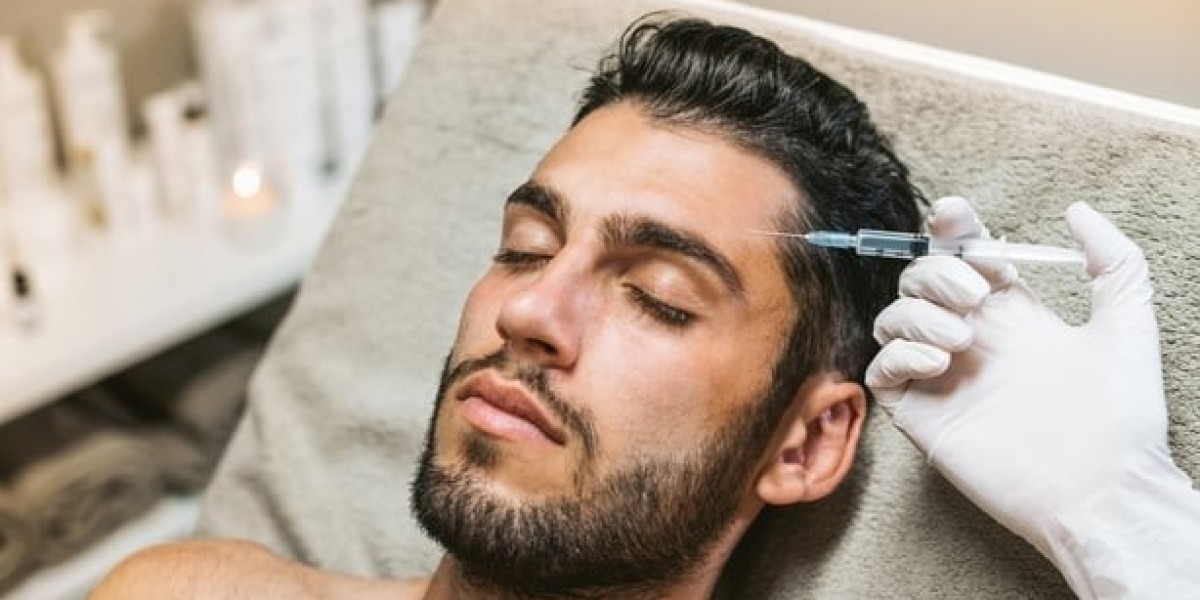

Botox medical treatment has transformed the field of aesthetic medicine and therapeutic care. What was once known primarily as a cosmetic wrinkle solution is now recognized as a versatile medical treatment used for both appearance enhancement and health-related conditions. With minimal downtime, quick procedures, and proven effectiveness, Botox continues to be one of the most requested non-surgical treatments worldwide.
What Is Botox?
Botox is a purified form of botulinum toxin type A. When injected in controlled amounts, it temporarily blocks nerve signals to targeted muscles. This action relaxes the muscles responsible for creating dynamic wrinkles and certain medical symptoms. The treatment is FDA-approved and has been used safely for decades under professional medical supervision.
Because it works directly at the neuromuscular level, Botox offers predictable and controlled results when administered by a trained provider.
Cosmetic Benefits of Botox Treatment
One of the main reasons people choose Botox is to reduce visible signs of aging. Facial expressions such as smiling, frowning, or squinting create repetitive muscle movements. Over time, these movements lead to fine lines and deeper wrinkles.
Botox effectively softens:
● Forehead lines
● Frown lines between the eyebrows
● Crow’s feet around the eyes
● Lip lines
● Chin dimpling
● Neck bands
The treatment does not change your facial structure; instead, it relaxes specific muscles to create a smoother, refreshed appearance. Most patients begin noticing results within 3 to 7 days, with full results visible in about two weeks. Effects typically last three to four months.
Medical Applications of Botox
Beyond aesthetics, Botox plays an important role in medical treatment. It is widely used to manage various conditions, including:
● Chronic migraines
● Excessive sweating (hyperhidrosis)
● Muscle spasms
● Cervical dystonia
● Overactive bladder
● TMJ (jaw tension disorders)
For migraine patients, Botox injections can significantly reduce the number of headache days per month. In cases of excessive sweating, Botox blocks nerve signals that activate sweat glands, providing long-lasting relief. These medical applications demonstrate that Botox is not just about appearance—it is also a powerful therapeutic tool.
What Happens During the Procedure?
A typical Botox session is quick and straightforward. The procedure usually takes 10 to 20 minutes, depending on the number of treatment areas. Using a fine needle, the provider injects small amounts of Botox into specific muscles.
Most patients describe the sensation as a small pinch. There is no need for anesthesia, and recovery time is minimal. Patients can return to work or daily activities immediately after treatment. However, it is recommended to avoid heavy exercise, lying flat, or rubbing the treated areas for several hours to ensure optimal results.
Safety and Side Effects
When performed by a qualified medical professional, Botox is considered safe and effective. Side effects are typically mild and temporary, including:
● Redness or swelling at injection sites
● Minor bruising
● Mild headache
● Temporary muscle weakness near the treated area
Serious complications are rare when treatment is administered correctly. This is why choosing an experienced clinic is essential for achieving safe and natural-looking results.
Who Is a Good Candidate for Botox?
Botox is suitable for adults who want to reduce wrinkles or manage specific medical conditions without surgery. It is ideal for individuals looking for subtle, gradual improvements rather than dramatic changes.
Candidates should be in good overall health and have realistic expectations. Pregnant or breastfeeding women and individuals with certain neurological conditions should consult a healthcare provider before considering treatment.
The Importance of Choosing the Right Clinic
The outcome of Botox treatment depends heavily on the expertise of the injector. A skilled practitioner understands facial anatomy, muscle balance, and proper dosing techniques. Poor technique can result in uneven results or an unnatural appearance.
Receiving treatment at a reputable center such as Dr J Anti Aging Clinics ensures that patients are evaluated thoroughly and treated with precision and care. Professional assessment and personalized planning help deliver results that enhance natural beauty while maintaining facial expression.
Maintenance and Long-Term Results
Botox is not permanent, which allows flexibility in adjusting treatment plans over time. Most patients schedule follow-up sessions every three to four months to maintain smooth, refreshed skin. With consistent treatments, muscles may gradually weaken, potentially extending the longevity of results.
In addition, combining Botox with proper skincare, hydration, and sun protection can enhance and prolong its benefits.
Final Thoughts
Botox medical treatment continues to lead the way in non-surgical cosmetic and therapeutic care. Its ability to reduce wrinkles, relieve migraines, manage excessive sweating, and treat muscle-related conditions makes it one of the most versatile procedures available today.
With minimal downtime, proven safety, and natural-looking outcomes, Botox remains a trusted option for individuals seeking both aesthetic improvement and medical relief. Choosing an experienced provider ensures that treatment is safe, personalized, and aligned with your long-term goals for health and confidence.