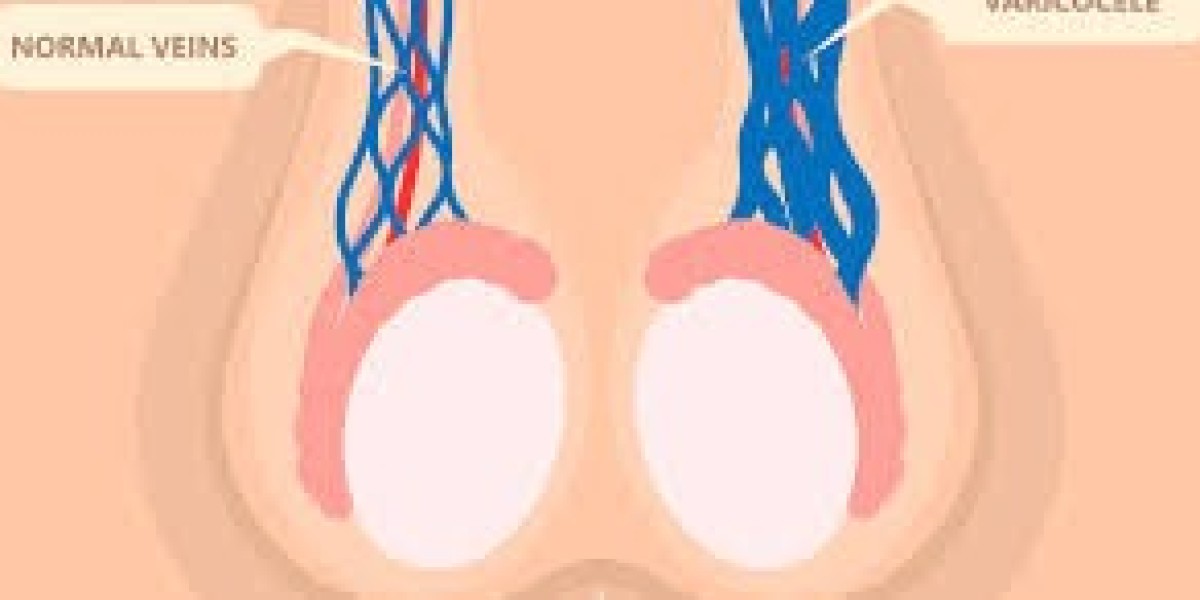

Varicocele is surprisingly common among men, yet plenty of people have no idea they even have it. It’s pretty sneaky—most guys only find out by accident, maybe during a routine doctor’s visit or while trying to figure out fertility issues.
So, let’s cut through the confusion and talk about what varicocele actually is, how to spot it early, why it matters, and what you can do about it—including top-notch care at FlowCare.
What’s Varicocele, Anyway?
Basically, varicocele means the veins in your scrotum get swollen because blood isn’t flowing the way it should. Picture varicose veins, but down where you least expect them. It usually pops up on the left side, but sometimes both testicles get involved.
Early Signs Most Guys Miss
Varicocele doesn’t make a big entrance. It creeps in quietly, and a lot of men brush off the early signs:
- Feeling a bit sore after standing or being on your feet all day
- A vague heaviness in your scrotum
- Swelling that’s easy to miss until evening
- Veins you can actually see—sometimes looking like a “bag of worms”
- Testicles that aren’t quite the same size
And yeah, most men shrug this off until things get worse.
Why You Should Care—Hidden Risks
Varicocele won’t kill you, but if you ignore it, you might run into real problems:
1. Fertility Struggles
It can mess with your sperm and make it harder to have kids.
2. Testicular Shrinkage
The testicle on the affected side can actually get smaller over time.
3. Hormone Changes
Sometimes, it throws off your testosterone, which you definitely don’t want.
So, Why Does Varicocele Happen?
Doctors still aren’t totally sure, but the main thing is the vein valves just don’t work right. Here’s what can make it more likely:
- Sitting or standing still for too long
- Lots of heavy lifting
- Family history
- Poor blood circulation
How Doctors Figure It Out
Usually, a doctor checks you out with a physical exam. They might do an ultrasound to get a better look, and if you’re having trouble with fertility, there are tests for that, too. Catching it early gives you more options.
What About Treatment in India?
1. Watchful Waiting (for Mild Cases)
If symptoms aren’t bad, the doctor may just keep an eye on things with routine checkups.
2. Supportive Care
- Wearing snug underwear for support
- Skipping heavy lifting
- Taking breaks and resting when you need to
3. Varicocele Embolization (Advanced Non-Surgical Treatment)
How it works:
A doctor threads a small catheter into the problem vein, blocks it off, and reroutes blood flow. That’s it—no cutting and no stitches.
Why people like it:
You don’t get any scars
- Recovery’s fast
- Pain stays low
- You’re in and out the same day
4. Microsurgery (For Serious Cases)
If your symptoms are heavy or your fertility is taking a hit, doctors might recommend surgery.
Why surgery?
Great success rates
Lasting results
Usually boosts sperm quality
Cost of Varicocele Treatment in India
Prices depend on how severe your case is and which treatment you pick:
Embolization: ₹40,000 – ₹90,000
Surgery: ₹60,000 – ₹1,20,000
Clinics like FlowCare keep treatment both advanced and affordable.
Recovery and Aftercare
Non-surgical: You’re usually back to work in a day or two.
Surgery: Expect around one to two weeks for recovery.
Aftercare Tips:
Don’t lift anything heavy for a bit
Stick to your doctor’s instructions
Show up to your follow-ups
When Should You See a Doctor?
Reach out to a specialist if:
Pain keeps getting worse
Swelling pops up and doesn’t quit
You’re planning to have kids, but it’s not happening
One testicle feels smaller than the other
Why See a Varicocele Specialist?
A clinic like FlowCare gives you:
An exact diagnosis
Modern treatments
Doctors who know what they’re doing
Better odds long-term
Common Myths
“Varicocele is rare.”
Nope—it’s pretty common.
“It always causes infertility.”
Not true. Many men don’t have fertility issues.
“Only surgery can fix it.”
Not anymore. Non-surgical treatment is common now.
Final Thoughts
Varicocele’s manageable if you catch it early. Knowing the symptoms and risks helps you act fast and dodge bigger problems.
Treatments have come a long way in India. Non-surgical options make things smoother and recovery easier.
If you’re worried you have it, talk to a specialist at FlowCare and get a clear answer.
FAQs
- Is varicocele painful?
It’s usually mild or moderate discomfort, especially if you stand for long stretches.
- Can varicocele affect fertility permanently?
If you skip treatment, fertility can take a hit. Getting treated usually improves things.
- Is embolization better than surgery?
It’s less invasive, and people recover faster—so lots of folks prefer it.
- Can I live normally with varicocele?
Yes, as long as you keep an eye on it and get treated if symptoms show up.