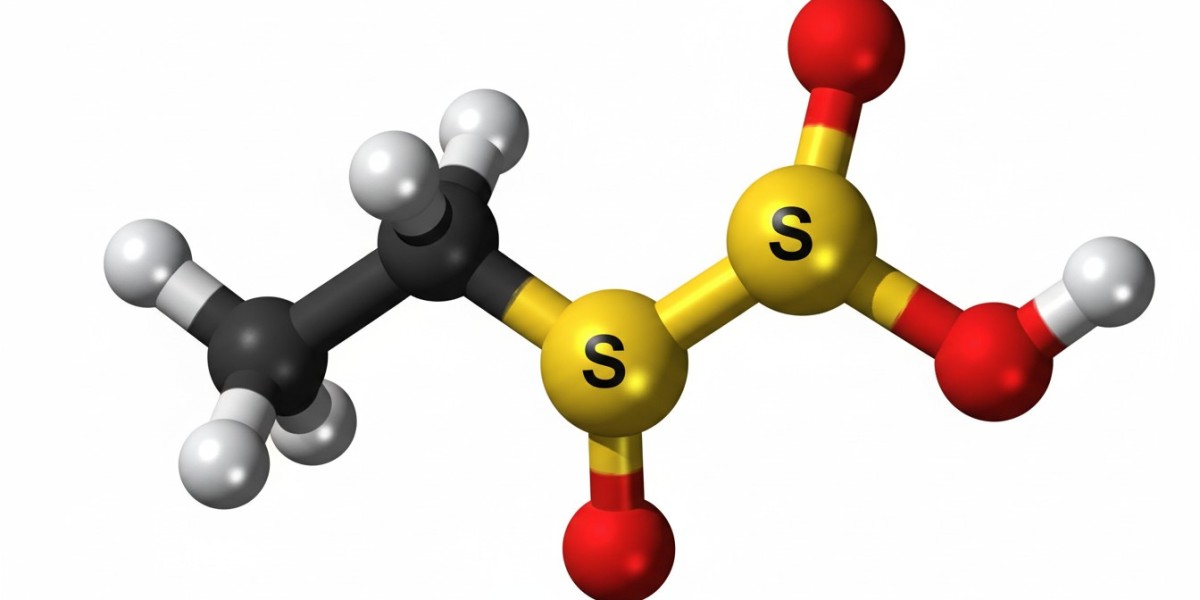

Ethylene sulfate is an important chemical compound used in various industrial and scientific applications. It is mainly known for its role in lithium-ion battery technology, where it works as an electrolyte additive to improve battery performance and stability. The growing demand for electric vehicles and portable electronic devices has increased the importance of ethylene sulfate in modern industries. Due to its unique chemical properties, it helps improve battery safety, charging efficiency, and lifespan. Researchers and manufacturers widely use this compound in advanced electrochemical systems because of its ability to enhance overall battery performance.
What is ethylene sulfate?
Ethylene sulfate is an organic chemical compound that belongs to the cyclic sulfate family. It is generally used in electrochemical applications, especially in rechargeable lithium-ion batteries. This compound helps create a stable chemical environment inside batteries and improves the performance of electrodes during charging and discharging cycles. Ethylene sulfate is considered a highly effective electrolyte additive because it reduces harmful side reactions and increases the durability of battery systems. Its importance has grown rapidly with the advancement of renewable energy and energy storage technologies.
Chemical Structure of Ethylene Sulfate
The chemical structure of ethylene sulfate contains sulfur, oxygen, carbon, and hydrogen atoms arranged in a cyclic form. This unique structure gives the compound its special electrochemical properties. The sulfate group present in the molecule allows it to react efficiently during electrochemical processes and form protective layers on battery electrodes. Its molecular arrangement also contributes to high chemical reactivity under controlled conditions. Scientists study this structure carefully because it directly affects the compound’s performance in industrial and laboratory applications.
Physical and Chemical Properties
Ethylene sulfate possesses several physical and chemical properties that make it useful in industrial applications. It is usually found as a colorless or light-colored liquid under standard conditions. The compound is chemically reactive and works effectively with lithium salts and battery electrolytes. It has good thermal stability, which helps batteries operate efficiently at different temperatures. Ethylene sulfate also shows excellent compatibility with organic solvents used in electrochemical systems. These properties make it an ideal choice for modern battery technologies and advanced energy storage systems.
Working Mechanism in Lithium-Ion Batteries
In lithium-ion batteries, ethylene sulfate works as an electrolyte additive that helps form a stable protective layer called the solid electrolyte interphase (SEI). During the initial charging cycles, the compound reacts with the electrode surface and creates this protective layer. The SEI layer prevents unwanted chemical reactions and protects the battery from performance loss. This process improves charging efficiency, battery lifespan, and safety. Because of this mechanism, batteries using ethylene sulfate often show better long-term stability and improved energy performance.
Importance in Battery Technology
Ethylene sulfate plays a major role in modern battery technology because it enhances battery efficiency and reliability. Rechargeable batteries require stable electrochemical reactions for long-lasting performance, and this compound helps achieve that stability. It minimizes electrolyte decomposition and reduces the chances of internal damage during repeated charging cycles. Manufacturers use ethylene sulfate to improve the quality of batteries used in electric vehicles, mobile phones, laptops, and renewable energy systems. Its contribution to battery technology has become highly significant in the growing energy storage industry.
Industrial Applications of Ethylene Sulfate
Ethylene sulfate is widely used in industrial sectors related to electronics, energy storage, and electrochemistry. One of its primary applications is in lithium-ion battery manufacturing, where it improves battery safety and lifespan. It is also used in research laboratories for electrochemical experiments and material science studies. Some industries use it in advanced chemical synthesis processes where controlled reactivity is required. The compound’s ability to stabilize chemical systems makes it valuable in many industrial and scientific environments.
Advantages of Ethylene Sulfate
One of the biggest advantages of ethylene sulfate is its ability to improve battery life and performance. It helps create stable electrode surfaces, which reduces energy loss and enhances charging efficiency. Another advantage is improved safety because it minimizes harmful chemical reactions inside the battery. Ethylene sulfate also supports better thermal stability, allowing batteries to function effectively at different temperatures. Its compatibility with modern electrolyte systems makes it an essential additive for high-performance energy storage technologies.
Limitations of Ethylene Sulfate
Despite its many benefits, ethylene sulfate has certain limitations. It is a reactive chemical compound and requires careful handling during storage and transportation. Improper use may lead to unwanted chemical reactions that can affect battery performance. The production process of ethylene sulfate can also be expensive due to the need for specialized equipment and controlled environments. In addition, the compound may not perform equally well in all battery systems, which requires further research and optimization for specific applications.
Safety and Handling Precautions
Proper safety measures are important while handling ethylene sulfate because it is a reactive chemical compound. It should be stored in tightly sealed containers away from heat, moisture, and direct sunlight. Protective equipment such as gloves, masks, and safety goggles should be used during handling to prevent direct contact. Laboratories and industries must follow proper chemical safety guidelines to reduce risks associated with exposure. Safe disposal methods should also be followed to avoid environmental contamination and maintain workplace safety.
Environmental Impact of Ethylene Sulfate
The environmental impact of ethylene sulfate depends on its handling, usage, and disposal methods. When used properly in industrial systems, it contributes to the development of efficient and long-lasting batteries that support clean energy technologies. However, improper disposal can cause environmental pollution and chemical contamination. Researchers are continuously working on improving sustainable production and recycling methods to reduce environmental risks. As the demand for eco-friendly energy storage grows, responsible management of chemicals like ethylene sulfate becomes increasingly important.
Future Scope of Ethylene Sulfate
The future scope of ethylene sulfate is highly promising because of the rapid growth in electric vehicles and renewable energy systems. Researchers are developing advanced battery technologies that require efficient electrolyte additives for better performance and safety. Ethylene sulfate is expected to remain an important component in next-generation lithium-ion and solid-state batteries. Continuous research may also lead to improved formulations that increase efficiency while reducing production costs. Its growing role in sustainable energy solutions makes it a valuable material for future technological advancements.
Conclusion
Ethylene sulfate is a highly valuable chemical compound used mainly in battery technology and industrial chemistry. Its ability to improve electrochemical stability and battery performance makes it an important component in modern energy storage systems. The compound helps create safer, more efficient, and longer-lasting batteries for electric vehicles and electronic devices. Although it has some handling and production challenges, its advantages are far greater in advanced technological applications. With continuous research and development, ethylene sulfate is expected to play a major role in the future of sustainable energy and battery innovation.