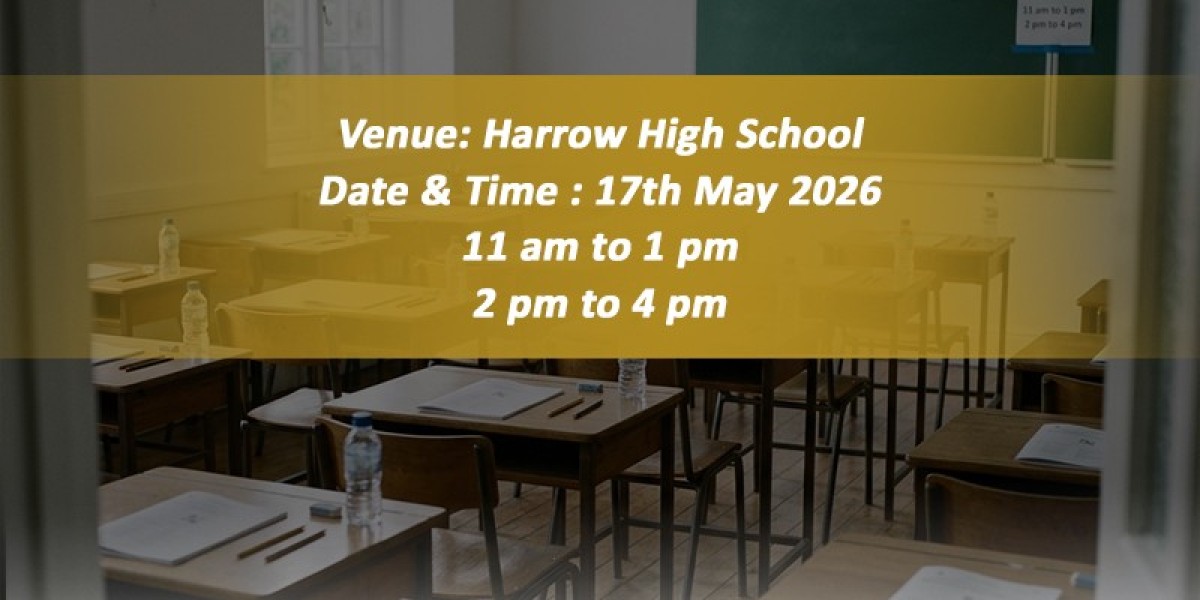

Preparing for grammar school entrance assessments can feel demanding for both children and parents. Many families look for ways to build confidence, improve timing, and understand the structure of selective school papers before the real examination day arrives. This is where eleven plus mock exams become valuable. Mock assessments give students a chance to experience real exam pressure while identifying areas that need additional practice.
Students often perform differently under timed conditions compared to home study sessions. A child who scores highly during untimed practice may struggle with concentration, speed, or anxiety during an actual examination. Structured mock papers help bridge that gap. They help children become familiar with exam hall conditions, question styles, answer sheets, and time management.
Parents also gain useful insight into their child's readiness. Mock test feedback highlights strengths and weaknesses across mathematics, verbal reasoning, non-verbal reasoning, comprehension, vocabulary, and creative writing. This information can shape future revision plans and reduce uncertainty before the final examination period.
Competition for grammar school places remains high across many regions. Schools connected with selective admissions require students to achieve strong scores against a large pool of candidates. Regular practice through eleven plus mock exams allows students to build consistency over time rather than relying on last-minute preparation.
Building Confidence Through Timed Practice
Confidence plays a major role in selective school examinations. Even academically strong students may lose marks due to stress or unfamiliarity with testing conditions. Timed assessments create an environment where students learn how to remain calm while answering questions efficiently.
A child who sits multiple practice examinations gradually becomes more comfortable with the overall process. They begin to understand how much time should be spent on each section, when to move forward from difficult questions, and how to maintain focus for extended periods.
Parents frequently notice improvements not only in scores but also in emotional readiness. Students become less anxious because they know what to expect. Familiarity reduces panic and supports clearer thinking during the actual exam.
Another benefit of repeated practice is stamina development. Grammar school entrance papers can be mentally tiring, particularly for younger children. Concentration across several challenging sections requires endurance. Mock assessments help children strengthen this skill naturally over time.
The Growing Popularity of HBS Mocks Test Online
Many families now prefer digital preparation resources because of convenience and accessibility. The demand for hbs mocks test online has increased significantly as parents search for flexible ways to support preparation from home.
Online mock systems allow students to access timed assessments without travelling to physical venues. This makes preparation easier for busy households balancing school, tuition, extracurricular activities, and family commitments. Students can complete papers from a familiar environment while still experiencing realistic timing conditions.
Digital assessments also provide quicker feedback. Parents can often review performance reports shortly after completion. These reports may include sectional analysis, timing breakdowns, and ranking information. Such insights help families focus revision efforts more accurately.
Another advantage of hbs mocks test online preparation is consistency. Students can regularly attempt practice papers without waiting for limited in-person sessions. Frequent exposure to exam-style questions helps reinforce knowledge and improve accuracy.
Online platforms are particularly useful for vocabulary building and reasoning practice. Interactive systems often contain large question banks that expose children to varied question formats. This prevents overreliance on repeated paper patterns and encourages adaptable thinking skills.
Understanding the Importance of SW Herts Mock Exam Practice
The sw herts mock exam preparation process attracts attention from families aiming for highly competitive grammar school placements. South West Hertfordshire examinations can involve demanding reasoning and mathematics sections that require careful preparation.
Students benefit from mock assessments because they simulate the pacing and structure expected in selective school testing environments. Exposure to realistic difficulty levels helps children avoid surprises on exam day.
Parents often underestimate the importance of exam technique. Knowledge alone may not secure a strong result. Students must also develop strategies for handling unfamiliar questions, checking answers efficiently, and managing pressure. Practice assessments help refine these techniques gradually.
Vocabulary development is another major factor. Many reasoning sections include advanced language concepts that extend beyond everyday classroom learning. Regular reading combined with mock practice improves comprehension and word recognition skills over time.
Mathematics preparation also benefits from repeated assessment exposure. Students learn how quickly they must process calculations while maintaining accuracy. Timed conditions encourage mental agility and sharper problem-solving abilities.
Children who participate in sw herts mock exam practice frequently gain stronger awareness of their learning habits. Some realise they rush through questions too quickly, while others discover they spend excessive time on difficult sections. Identifying these patterns early can lead to meaningful improvement before the final examination.
Why Tiffin Mock Exam Preparation Helps Students
The tiffin mock exam preparation pathway is another area where structured practice plays a major role. Tiffin entrance assessments are known for their competitive nature, making preparation particularly important for aspiring candidates.
Students aiming for selective schools often need strong comprehension, reasoning, and mathematical abilities combined with excellent timing. Mock papers provide realistic exposure to these expectations.
One major benefit involves pressure management. Children who experience timed mock conditions beforehand usually feel more prepared emotionally. Familiarity with structured testing reduces fear and uncertainty during the actual examination.
Mock assessments also reveal performance trends. A student may consistently lose marks in inference-based comprehension questions or struggle with non-verbal reasoning patterns. Early identification allows targeted revision before the examination period becomes too close.
Another advantage involves building routine. Regular preparation sessions help students maintain steady progress rather than cramming large amounts of information at once. Consistency generally produces stronger long-term retention and better exam readiness.
Parents should remember that preparation should remain balanced. Excessive pressure can reduce motivation and increase anxiety. Mock exams work most successfully when combined with encouragement, realistic expectations, and healthy study habits.
Common Skills Developed Through Eleven Plus Mock Exams
Students preparing through eleven plus mock exams usually strengthen several important academic and personal skills simultaneously.
Time management improves because children repeatedly work under strict timing conditions. They gradually understand how long different question types require and become more efficient in allocating their time wisely.
Problem-solving ability also develops naturally. Selective school papers often contain unfamiliar or multi-step questions that require logical thinking. Regular exposure to varied question formats improves adaptability and analytical reasoning.
Reading comprehension becomes stronger through continuous practice with advanced passages. Students learn how to identify key details, infer meaning, and answer questions accurately under pressure.
Vocabulary growth is another important outcome. Many grammar school assessments contain challenging language. Students exposed to broader reading materials and reasoning questions typically build stronger language skills over time.
Concentration levels improve as well. Completing long papers requires sustained attention and mental endurance. Mock assessments gradually strengthen these abilities.
Confidence remains one of the most valuable outcomes. Students who regularly practise under realistic conditions usually approach the final examination with greater calmness and self-belief.
How Parents Can Support Preparation at Home
Parents play an important role during grammar school preparation. Supportive home routines can help students remain motivated while avoiding unnecessary stress.
A quiet study environment often improves concentration and productivity. Consistent schedules also help children develop healthy revision habits without feeling overwhelmed.
Reading should remain part of daily preparation. Exposure to novels, newspapers, biographies, and challenging articles strengthens comprehension and vocabulary development naturally. Strong readers often perform better in verbal reasoning and comprehension tasks.
Parents should also encourage regular breaks. Long study periods without rest can reduce focus and increase frustration. Short pauses between revision sessions support better retention and mental balance.
Positive reinforcement matters greatly. Children respond well when effort is recognised rather than focusing only on scores. Encouragement builds resilience and confidence throughout the preparation process.
Mock assessments should be reviewed carefully after completion. Instead of simply checking marks, parents can help identify recurring mistakes and discuss strategies for improvement. Understanding why errors occur is often more valuable than the score itself.
The Role of Consistency in Grammar School Preparation
Consistency usually produces stronger results than short bursts of intense revision. Students who practise regularly across several months often feel more prepared than those relying on last-minute cramming.
Weekly mock sessions can help maintain familiarity with exam conditions. Regular exposure prevents children from becoming intimidated by timed assessments.
Gradual improvement is common. Initial mock scores may seem disappointing, but steady practice often leads to measurable progress over time. Patience remains important during this process.
Balanced preparation also matters. Students should avoid spending all their time on one subject area while neglecting others. Strong grammar school candidates usually maintain reasonable performance across mathematics, reasoning, and comprehension sections.
Families should remember that every child progresses differently. Comparing scores excessively with other students may increase unnecessary pressure. Personal improvement and confidence building should remain the primary focus.
Managing Exam Stress Before the Real Assessment
Stress management is an important part of grammar school preparation. Many students capable underperform because anxiety affects concentration and confidence.
Mock examinations help reduce stress through familiarity. Children who repeatedly experience timed conditions generally feel less nervous during the actual assessment.
Healthy sleep routines also influence performance significantly. Tired students may struggle with concentration, comprehension, and memory recall. Proper rest before examinations supports clearer thinking and stronger focus.
Nutrition and hydration matter as well. Balanced meals help maintain energy levels during demanding examination sessions.
Parents can support emotional wellbeing by maintaining realistic expectations. Encouragement should focus on effort and preparation rather than placing excessive importance on outcomes.
Open communication is also valuable. Children should feel comfortable discussing worries or frustrations during the preparation period. Emotional support often improves resilience and motivation.
Conclusion
Preparing for selective school entrance assessments requires more than academic knowledge alone. Students must also develop confidence, timing, concentration, and emotional readiness. Eleven plus mock exams provide valuable opportunities to strengthen all of these areas through realistic practice.
Families seeking structured preparation often benefit from hbs mocks test online systems, sw herts mock exam sessions, and tiffin mock exam practice papers. These assessments help students experience realistic testing environments while identifying areas requiring further improvement.
Consistent preparation, balanced routines, and supportive encouragement can help children approach grammar school examinations with greater confidence and readiness. Mock assessments remain one of the most practical ways to prepare students for the demands of competitive entrance testing while supporting long-term academic growth.