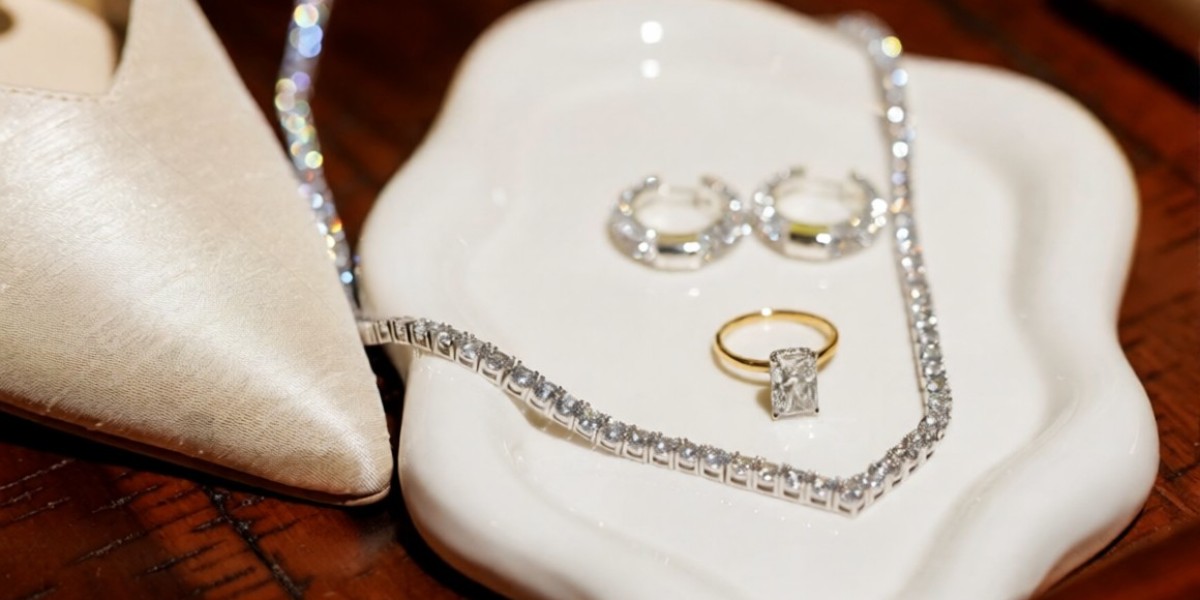

Diamond jewelry has remained popular for generations because of its beauty, brilliance, and timeless appeal. A tennis necklace is a classic choice for people who appreciate elegant designs that can be worn for special occasions or everyday outings. However, when shopping for diamond jewelry, buyers often need to decide between natural and lab-grown stones. Understanding the differences in origin, price, appearance, and value can help you make a confident choice. Both options offer beautiful results, but the right one depends on your budget, preferences, and priorities.
What Are Tennis Necklaces?
Tennis necklaces feature a continuous line of diamonds or other gemstones arranged closely together around the neckline. Their balanced design creates a sparkling appearance that works well with casual clothing, formal outfits, and special occasion wear.
These necklaces are available in different lengths, diamond sizes, metal types, and settings. Popular choices include yellow gold, white gold, and platinum, each offering a distinct look. Some designs feature smaller stones for subtle elegance, while others use larger diamonds for a more noticeable appearance.
When choosing a diamond tennis necklace, it is important to consider the stone's quality, setting security, metal durability, and overall design. The type of diamond is another key factor that can influence the purchase price and the buyer's personal satisfaction.
What Are Natural Diamonds?
Natural diamonds form deep within the Earth under intense heat and pressure over millions to billions of years. They reach the surface through geological processes and are eventually mined, cut, and polished for use in jewelry.
Each natural diamond has its own characteristics, including color, clarity, cut, and carat weight. These qualities influence how the stone looks and how much it costs. Natural diamonds may also contain tiny inclusions or other features formed during their development.
Why Do Buyers Choose Natural Diamonds?
Many buyers appreciate natural diamonds because of their geological history and traditional place in fine jewelry. Their natural formation makes each stone part of a process that occurred over an extremely long period.
Natural diamonds may also appeal to people who prefer traditionally mined gemstones or who value their established presence in the luxury jewelry market. However, their resale value is not guaranteed and depends on factors such as quality, market demand, certification, and the price originally paid.
When selecting a natural diamond necklace, buyers should consider the source of the stones and look for reliable documentation where available.
What Are Lab-Grown Diamonds?
Lab-grown diamonds are created in controlled laboratory environments using advanced technology that reproduces the conditions needed for diamond formation. Two common production methods are High Pressure High Temperature (HPHT) and Chemical Vapor Deposition (CVD).
These diamonds have essentially the same chemical composition, crystal structure, and fundamental optical properties as natural diamonds. They can also display the same brilliance, fire, and sparkle when cut and polished well.
Lab-grown diamonds are genuine diamonds, not imitation stones such as cubic zirconia or glass. Their main difference from natural diamonds is their origin.
Why Are Lab-Grown Diamonds Popular?
Lab-grown diamonds have become an appealing option for buyers seeking diamond jewelry at a lower initial cost. They often allow shoppers to choose larger stones or higher stated quality grades within the same budget.
They are available in a wide range of shapes and sizes, making them suitable for classic tennis necklaces as well as modern jewelry designs. Buyers should still review the cut quality, clarity, color, and certification of each stone rather than assuming that every lab-grown diamond has identical quality.
Lab-grown diamonds also have their own environmental and energy considerations. Their overall impact depends on production methods, electricity sources, and other factors, so they should not automatically be considered impact-free.
Natural vs. Lab-Grown Diamonds: What Are the Main Differences?
Although natural and lab-grown diamonds share many physical and optical properties, several factors distinguish them.
1. Origin and Formation
The clearest difference is how the diamonds are formed. Natural diamonds develop through geological processes deep within the Earth, while lab-grown diamonds are produced in controlled laboratory conditions.
For buyers who value the natural history of a gemstone, this distinction may be important. Others may place greater emphasis on appearance, budget, and the amount of diamond they can purchase.
Neither origin automatically makes a diamond more beautiful. The quality of the individual stone and the craftsmanship of the finished necklace have a significant effect on its appearance.
2. Appearance and Sparkle
Natural and lab-grown diamonds can look virtually identical to the unaided eye. Both can produce impressive sparkle when their proportions, cut, and polish are well executed.
A diamond's brilliance depends largely on how light interacts with its cut and facets, rather than whether it formed naturally or in a laboratory.
For a tennis necklace, consistency is especially important because the stones sit close together. Matching the diamonds in size, color, and appearance can create a more balanced line of sparkle around the neck.
3. Price and Affordability
Lab-grown diamonds generally cost considerably less than comparable natural diamonds at retail. The exact difference varies according to stone quality, size, market conditions, and the jeweler.
This price difference can make lab-grown options attractive to shoppers who want a necklace with larger diamonds without increasing their budget as much.
Natural diamonds generally command higher prices because of their geological origin, established market structure, and supply dynamics. However, a higher purchase price does not guarantee that a necklace will retain its value or appreciate over time.
Before buying, compare necklaces with similar diamond specifications, metal types, craftsmanship, and certification. This provides a more useful comparison than looking at the total carat weight alone.
4. Rarity and Long-Term Value
Natural diamonds are geological products formed over very long periods. Their natural origin can appeal to buyers who value rarity and traditional luxury.
Lab-grown diamonds can be produced using modern manufacturing technology, and their market prices may change as production methods and supply develop. They generally have lower resale values relative to their original retail prices, although individual outcomes vary.
Natural diamonds are not guaranteed investments either. If long-term value matters to you, consider the specific diamond quality, documentation, market demand, and potential resale costs before making a decision.
5. Certification and Identification
Both natural and lab-grown diamonds can be assessed by gemological laboratories. Reports may document important characteristics such as carat weight, color, clarity, cut, and whether the diamond is natural or laboratory-grown.
Because the two types can appear identical, specialized gemological testing may be required to distinguish them reliably. Reputable sellers should clearly disclose the diamond's origin and provide appropriate documentation for the stones being sold.
For necklaces containing many diamonds, ask whether the documentation applies to individual stones, selected representative stones, or the piece as a whole.
Which Diamond Type Is Better for a Tennis Necklace?
The better option depends on what you want from your jewelry. Natural and lab-grown diamonds can both create a beautiful tennis necklace, so there is no single choice that suits every buyer.
Choose Natural Diamonds If You Prefer Traditional Luxury
Natural diamonds may be the right choice if you value geological origin, prefer traditionally mined gemstones, or want a piece that reflects the heritage of natural diamond jewelry.
They may also suit buyers who are comfortable paying more for that preference. However, you should still compare quality and pricing carefully instead of assuming that every natural diamond necklace is superior.
Choose Lab-Grown Diamonds If Budget Matters
Lab-grown diamonds may be a better fit if you want the appearance of a diamond necklace while keeping the initial purchase price lower.
The savings may allow you to consider a larger total carat weight, a different metal, or a more elaborate design. This can be especially useful when shopping for a statement necklace or a gift.
As with natural diamonds, focus on the quality of the individual stones and the necklace's construction.
How to Choose the Right Diamond Tennis Necklace
Before purchasing a necklace, review the features that affect both its appearance and practicality.
Consider the total carat weight: Total carat weight represents the combined weight of the diamonds. It does not, by itself, tell you how large the stones will appear or how much sparkle the necklace will have.
Review cut and brilliance: Well-cut diamonds can reflect light effectively. Since tennis necklaces contain multiple stones, consistent appearance across the line is important.
Check color and clarity: Diamonds with similar color and clarity characteristics can create a more uniform look. The best balance depends on your budget and personal preferences.
Select a suitable metal: White gold and platinum offer a bright, cool-toned appearance, while yellow gold creates a warmer contrast. Consider your existing jewelry and how frequently you plan to wear the necklace.
Inspect the setting and clasp: The settings should hold the stones securely, and the clasp should close properly. A safety latch can provide additional security, depending on the design.
Ask about certification and disclosure: Confirm whether the diamonds are natural or lab-grown and request the available documentation. Review the seller's return policy and warranty before completing the purchase.
Taking time to compare these details can help you find a necklace that suits your style and offers comfortable, dependable wear.
Final Thoughts
Natural and lab-grown diamonds offer different advantages, but both can deliver the brilliance and elegance associated with fine diamond jewelry. Natural diamonds appeal to buyers who value geological origin and traditional luxury, while lab-grown diamonds provide a more affordable way to enjoy genuine diamond jewelry.
When shopping for a tennis necklace, consider more than the diamond's origin. Cut quality, stone consistency, metal choice, craftsmanship, and secure settings all contribute to the finished piece. By comparing these factors alongside your budget and personal preferences, you can choose a necklace that complements your style and meets your expectations.
Frequently Asked Questions
Are lab-grown diamonds real diamonds?
Yes. Lab-grown diamonds have essentially the same chemical composition and crystal structure as natural diamonds. Their main difference is that they are created in a laboratory rather than formed through natural geological processes.
Do natural and lab-grown diamonds sparkle differently?
They can offer comparable brilliance when their cut and polish are similar. The sparkle of an individual diamond depends primarily on its quality and how it interacts with light, not simply on its origin.
Are lab-grown diamond necklaces more affordable?
Generally, yes. Lab-grown diamonds usually have lower retail prices than comparable natural diamonds. Actual prices depend on quality, size, design, and the seller.
Do natural diamonds have better resale value?
Natural diamonds may have stronger resale demand in some market segments, but neither natural nor lab-grown diamonds are guaranteed to retain their purchase price. Resale value depends on quality, market conditions, and other factors.
How can I tell whether a diamond is natural or lab-grown?
Appearance alone is usually insufficient because the two types can look virtually identical. A reputable seller should disclose the origin, and a qualified gemological laboratory can use specialized testing to identify it.