
POS Ireland: A Guide to Choosing a Compliant, Reliable System
Running a POS system in Ireland means more than picking software that processes payments quickly. Irish VAT rules, record-keeping obligations, and an evolving e-invoicing roadmap all shape what a POS setup actually needs to handle correctly. For business owners comparing options, understanding these local requirements is just as important as comparing features or price.
This guide covers what POS in Ireland involves in practice, the compliance details worth getting right, and how to choose a system that fits an Irish business.
What "POS in Ireland" Actually Involves
A point of sale setup in Ireland combines the same core elements found anywhere — hardware, software, and payment processing — but layered with specific local tax and record-keeping requirements that businesses need their system to handle correctly.
Irish VAT Configuration
Ireland applies different VAT rates depending on what's being sold, and a POS system needs to be configured accordingly. Hospitality businesses, for example, typically apply 13.5% VAT on hot food and services, while alcohol is taxed at the standard 23% rate, and certain cold food items can be zero-rated. Misconfigured VAT settings at the till level can lead to reporting errors that surface later during accounting or a Revenue review.
Record-Keeping Requirements
Irish businesses are required to retain sales transaction records for six years. Revenue doesn't mandate a specific certified till or fiscal cash register system, unlike some other EU countries, but a properly functioning POS system is the practical way most businesses meet this record-keeping obligation without manual logs.
Payment Processing Options
Most POS systems used in Ireland integrate with payment processors offering Irish IBAN payouts, which avoids delays and currency conversion costs tied to non-Irish bank settlement. Common processors used alongside Irish POS setups include Stripe, Square, and SumUp, each with different transaction fee structures worth comparing against sales volume.
The E-Invoicing Shift and What It Means for POS Systems
Ireland's invoicing requirements are changing, and while most of it doesn't affect day-to-day retail POS use yet, it's worth understanding the timeline.
Current State: Mostly Voluntary for B2B
At present, electronic invoicing between Irish businesses remains voluntary, with mandatory e-invoicing only required for transactions with public sector bodies. Standard retail and hospitality POS transactions aren't affected by this requirement.
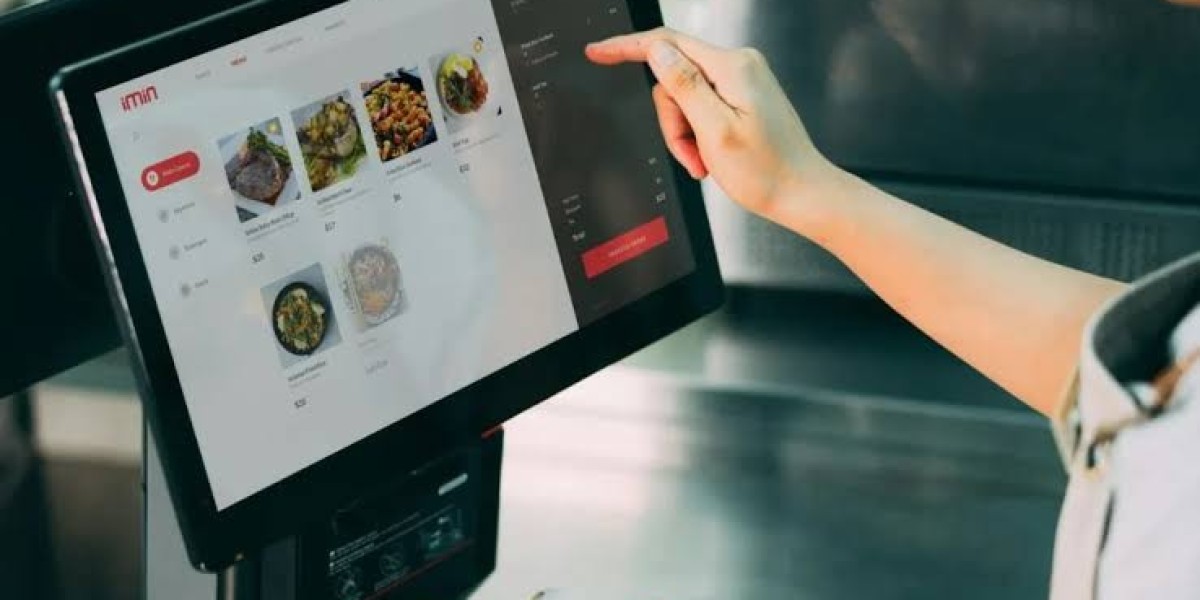
A modern point of sale system helps businesses manage sales, payments, inventory, and customer transactions efficiently from one platform.
What's Coming by 2028 and Beyond
Ireland's Revenue has confirmed a phased rollout of mandatory B2B e-invoicing and real-time VAT reporting, starting with large corporates in November 2028, expanding to businesses trading across the EU in 2029, and aligning with the EU's wider ViDA directive by 2030. Smaller retail and hospitality businesses using standard POS systems are unlikely to be affected in the near term, but it's a trend worth monitoring if a business also issues B2B invoices.
Choosing the Right POS System for an Irish Business
Beyond compliance basics, a few practical factors separate a good fit from a frustrating one.
Accounting Software Integration
Most modern POS systems integrate directly with Xero, a popular choice among Irish businesses, though integration with Ireland-specific accounting tools like Big Red Cloud or BrightBooks sometimes requires manual CSV export rather than a live sync. Checking compatibility before purchasing avoids reconciliation headaches later.
Industry-Specific Needs
Hospitality businesses generally need table management and split-billing features, while retailers prioritize barcode scanning and stock alerts. Choosing a system built with Irish hospitality VAT handling in mind saves configuration time compared to generic international platforms.
Transaction Fee Structures
Providers vary between flat monthly fees, percentage-based transaction fees, or a mix of both. Businesses with high transaction volume but lower average order value should compare percentage fees carefully, since these can add up faster than a flat monthly cost.
Local Support Availability
Support responsiveness matters when a till goes down during trading hours. Checking whether a provider offers Irish or UK-based support hours, rather than relying solely on distant time-zone support, can make a real difference during an outage.
Frequently Asked Questions
Does a POS system in Ireland need to handle different VAT rates?
Yes. Irish VAT varies by product type, including 13.5% on hot food and services and 23% on alcohol, so products need to be configured with the correct rate in the POS system.
Does Irish law require a specific certified POS or till system?
No. Revenue doesn't mandate a specific system, but businesses must keep sales records for six years, and a functioning POS system is the practical way most businesses meet that requirement.
Will small Irish businesses need to adopt e-invoicing soon?
Not immediately. Mandatory e-invoicing is being phased in starting with large corporates in 2028, with smaller domestic retail transactions generally unaffected in the near term.
Which payment processors work with POS systems in Ireland?
Commonly used processors include Stripe, Square, and SumUp, most of which offer Irish IBAN payouts to avoid cross-border settlement delays.
Final Thoughts
Choosing a POS system in Ireland comes down to getting the compliance basics right — accurate VAT configuration, reliable record-keeping, and Irish-friendly payment settlement — before comparing extra features. With e-invoicing requirements gradually expanding through the rest of the decade, it's worth choosing a system flexible enough to adapt as those rules eventually reach smaller businesses too.
For more detailed information, explore trusted industry resources covering modern point of sale technology, retail management, and business operations.