
Water quality directly impacts daily health, home appliances, and overall peace of mind. While municipal water treatment plants work hard to meet safety standards, water traveling through aging pipes often picks up unwanted minerals, chlorine, heavy metals, and micro-contaminants. Understanding how modern filtration restores purity to your tap allows you to make informed decisions for your household.
Investing in a proper home filtration setup ensures your family enjoys premium drinking water daily. Implementing these systems safeguards your plumbing fixtures and extends the lifespan of expensive appliances like dishwashers and water heaters.
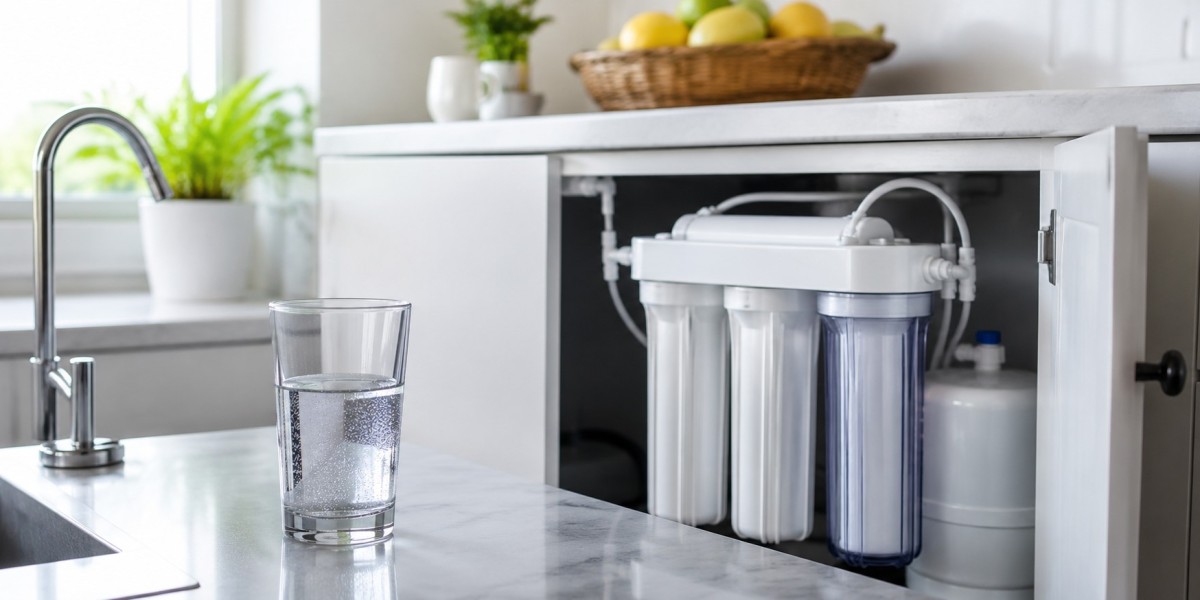
Choosing an osmosis water system for home installation provides a reliable shield against broad-spectrum water contamination. These residential drinking water units fit seamlessly under kitchen sinks or integrate into main water lines to supply pure, crisp water on demand. The advanced multi-stage filtration process delivers water quality that easily surpasses typical store-bought plastic bottled options.
Key Differences Between Softeners and Purification Systems
Homeowners frequently confuse water softeners with comprehensive filtration networks, but each serves a completely separate purpose. A dedicated residential softener utilizes an ionization process to exchange calcium and magnesium minerals for sodium ions. This targeted chemical exchange neutralizes the scaling elements responsible for stubborn soap scum and chalky fixture buildup.
Purification setups focus on extracting chemical residues, microscopic biological organisms, and total dissolved solids. While a softener protects water-using appliances from physical scale buildup, it does not remove dissolved chemical additives. Utilizing a combined setup brings together the mineral-reducing power of softeners with the intense refining capabilities of advanced purification.
Pairing a whole-house conditioner with an under-sink reverse osmosis unit creates a comprehensive residential loop. The softener conditions incoming supply lines to prevent pipe corrosion, while the purification engine refines your kitchen tap water. This dynamic combination provides pristine utility water for your laundry and exceptional drinking water for your dining table.
What Impurities Can Advanced Filtration Eliminate
Municipal infrastructure successfully treats water to meet foundational legal standards, but transit lines can introduce additional pollutants. Aging city mains and residential pipe solder can accidentally leach trace heavy metals into your daily cooking supply. Modern high-performance multi-stage filtration serves as a secure final barrier against these unexpected distribution flaws.
These purification systems successfully target common metallic contaminants including lead, copper, chromium, and arsenic. They also reduce high concentrations of dissolved salts, nitrates, and sulfate compounds that degrade natural water flavors. Eliminating these chemical elements restores a balanced taste and prevents metallic notes from altering your homemade coffee or tea.
Beyond inorganic minerals, advanced membranes intercept microscopic biological hazards like protozoan cysts, bacteria, and viral strains. This includes stubborn organisms like Cryptosporidium and Giardia which resist standard chemical chlorine treatments. Keeping these contaminants away from your kitchen faucet provides ongoing peace of mind for every family member.
Enhancing Household Efficiency and Environmental Wellness
Installing a dedicated domestic purification unit yields long term financial benefits while drastically shrinking your ecological footprint. Purchasing heavy cases of single use plastic bottles generates immense plastic waste and incurs high monthly retail costs. Producing your own premium water at home slashes your drinking expenses down to pennies per gallon.
Relying on an on demand domestic tap eliminates the physical chore of carrying, storing, and recycling bulky plastic jugs. Your household gains an unlimited supply of fresh drinking water without contributing to local landfill congestion. This transition makes your home more sustainable while streamlining your weekly grocery runs.
Purified water also elevates your culinary experiences by enhancing the natural flavors of cooked grains, soups, and beverages. Your ice cubes will freeze crystal clear instead of appearing cloudy due to trapped mineral fragments. Every domestic application benefits from removing the aggressive chemical odors found in unrefined tap lines.
Comparing Filtration Performance
To help you understand how different systems protect your household, the chart below details the contaminant removal capabilities of common residential water treatment methods.
| Contaminant Type | Standard Carbon Filter | Water Softener System | Multi-Stage Reverse Osmosis |
| Sediment & Rust | High Reduction | Low Reduction | Complete Elimination |
| Chlorine & Odors | High Reduction | No Reduction | Complete Elimination |
| Hardness Minerals | No Reduction | Complete Elimination | High Reduction |
| Heavy Metals (Lead) | Low Reduction | No Reduction | Complete Elimination |
| Fluoride & Nitrates | No Reduction | No Reduction | High Reduction |
| Bacteria & Cysts | No Reduction | No Reduction | Complete Elimination |
The Science of Water Purity and TDS Levels
A common metric used to evaluate water quality is Total Dissolved Solids, or TDS. TDS refers to the sum of all inorganic and organic substances contained in a liquid. When you use a high quality reverse osmosis system, you will notice a drastic reduction in your TDS levels. A lower TDS reading indicates that fewer dissolved solids are present in your water, which usually translates to a cleaner taste and higher purity. This is particularly important in regions where hard water is prevalent, as high mineral content can often carry other unwanted impurities.
By monitoring TDS levels, homeowners can see the immediate efficacy of their filtration system. It is not just about the numbers; it is about the peace of mind that comes from knowing the system is actively working. When the water you consume has been through an effective filtration process, you eliminate the risk of heavy metals or chemical runoff affecting your health. This scientific approach to water treatment is why many health conscious individuals and families trust reverse osmosis over other methods like simple pitcher filters or carbon block units.
Addressing the Mineral Content Misconceptions
There is a long standing myth that because reverse osmosis removes minerals, the water becomes demineralized and therefore unhealthy. It is important to clarify that water is primarily a hydration vehicle. While it is true that calcium and magnesium are essential for human health, the amounts found in a glass of tap water are statistically insignificant compared to the requirements for a healthy human body. You would need to drink an impossible amount of water to meet your daily mineral needs solely through your hydration source.
Furthermore, many modern systems are equipped with remineralization stages. These add back beneficial calcium and magnesium in a controlled manner after the purification process is complete. This provides the best of both worlds, giving you the purity and safety of reverse osmosis filtration while ensuring the water has a pleasant, crisp taste that mimics natural spring water. For those who prioritize taste and mineral balance, these post filtration stages are an excellent addition to any standard setup.
The Importance of Regular System Maintenance
While the system itself is highly effective, the safety of your water is only as good as the maintenance you perform. Reverse osmosis systems rely on filters and membranes that need periodic replacement to function correctly. Over time, the membrane can become saturated or clogged with the very contaminants it is working to remove. If a system is neglected, it can lose its effectiveness, and the quality of the water will begin to degrade.
For a household using these systems, it is essential to follow a strict replacement schedule for sediment filters, carbon pre filters, and the main membrane. Most professionals recommend changing pre filters every six months and the membrane every two to three years depending on your water quality and usage levels. By keeping up with these maintenance tasks, you ensure that the system continues to produce water that is safe, clean, and delicious. Ignoring maintenance can lead to a drop in water production and a potential decrease in the quality of the filtration performance.
Comparing Reverse Osmosis to Bottled Water
Many people switch to reverse osmosis systems as an alternative to purchasing bottled water. Aside from the obvious environmental benefits of reducing plastic waste, reverse osmosis is arguably safer than many bottled water brands. Much of the bottled water on the market is simply treated tap water that has been processed and stored in plastic bottles for extended periods. Plastic, even when BPA free, can sometimes leach chemicals into the water, especially when stored in warm environments.
When you produce your own water at home, you are using the supply on demand. There is no storage time, no plastic leaching, and no carbon footprint associated with transport and manufacturing. You have total control over the purity of the water in your glass. This creates a much safer and more sustainable model for daily hydration. You are also saving a significant amount of money in the long run by not having to purchase cases of water for your home or office.
Ensuring Proper Installation for Maximum Safety
The way your system is installed plays a significant role in the safety and longevity of your water supply. A poorly installed system can lead to leaks, pressure issues, or even cross contamination if not plumbed correctly. It is always recommended to have a professional handle the installation of your water purification equipment. Professionals understand the nuances of water pressure, flow rates, and the specific needs of your household plumbing.
By utilizing professional installation services, you ensure that your system is calibrated to your specific home water pressure. Proper calibration prevents unnecessary strain on the membrane and ensures that the waste water ratio is optimized. Furthermore, a professional can test your water both before and after installation to verify that the system is performing exactly as expected. This validation process provides a baseline for your water quality and ensures that you are getting the safest possible result from day one.
The Role of Water Softeners in the Process
In many households, reverse osmosis is used in conjunction with a water softener. This is a common and highly effective combination, especially in areas with very hard water. Hard water can be harsh on a reverse osmosis membrane, causing scale buildup that shortens its lifespan and reduces efficiency. A water softener removes the calcium and magnesium ions that cause hardness, which protects the downstream reverse osmosis system.
This synergy allows both systems to work at peak performance. The softener handles the bulk mineral content, while the reverse osmosis unit handles the finer purification, including removing chemicals, heavy metals, and other contaminants that a softener cannot address. This layered approach to water treatment is the ultimate way to achieve high quality water for drinking, cooking, and even cleaning. It is a proactive investment in your home that pays dividends in both water quality and system longevity.
Evaluating the Long Term Benefits for Your Health
When you commit to a high quality water filtration solution, you are making an investment in your long term health. Consistently consuming water that has been stripped of chlorine, PFAS, lead, and other industrial contaminants removes a significant toxic load from your body. Your body needs clean, pure water to perform cellular functions, support digestion, and keep your organs running efficiently.
Many people report improved skin health, better digestion, and an overall sense of wellness after switching to purified water. When the water in your morning coffee, tea, or cooking ingredients is cleaner, the flavors are also enhanced. You are no longer masking the taste of your food with the metallic or chemical flavors found in municipal water supplies. This shift in water quality changes the way you experience your daily hydration, making it a habit that supports your well being rather than a potential source of unseen health risks.
FAQs
How do I know if my reverse osmosis system is working correctly?
You can monitor the performance of your system by checking the Total Dissolved Solids levels using a handheld TDS meter. If the reading in your purified water is significantly lower than your tap water, your system is likely functioning well. You should also keep track of your filter change schedule to ensure the membrane is not nearing the end of its life.
Does reverse osmosis remove fluoride from drinking water?
Yes, reverse osmosis is one of the most effective methods for reducing fluoride levels in drinking water. Because fluoride ions are dissolved solids, the semipermeable membrane is highly efficient at rejecting them during the filtration process.
Can I connect my reverse osmosis system to my refrigerator?
Yes, many homeowners choose to connect their reverse osmosis systems to their refrigerator's water and ice dispenser. This ensures that you have access to purified water for drinking and crystal clear ice cubes for your beverages, though it may require specific plumbing adapters and tubing.
Is the water produced by reverse osmosis acidic?
Because reverse osmosis removes dissolved minerals like calcium and magnesium, the water can sometimes have a slightly lower pH level, making it slightly acidic. However, many systems include a remineralization stage that adds these minerals back into the water, which effectively balances the pH and improves the taste.
How often should I change the filters in my home system?
The frequency of filter changes depends on the quality of your source water and your usage volume. As a general rule, pre and post filters should be changed every six to twelve months, while the main reverse osmosis membrane typically lasts between two to three years.
Conclusion
Choosing the right filtration for your household is a vital step toward protecting your family’s long term health. Reverse osmosis provides a proven and highly effective solution for ensuring that your drinking water is free from the contaminants, heavy metals, and chemicals that can affect municipal supplies.
By removing these impurities, you gain peace of mind knowing that every glass of water you pour is clean and safe. While the process is advanced, the benefits of superior taste and improved water quality are clear to anyone who makes the switch.