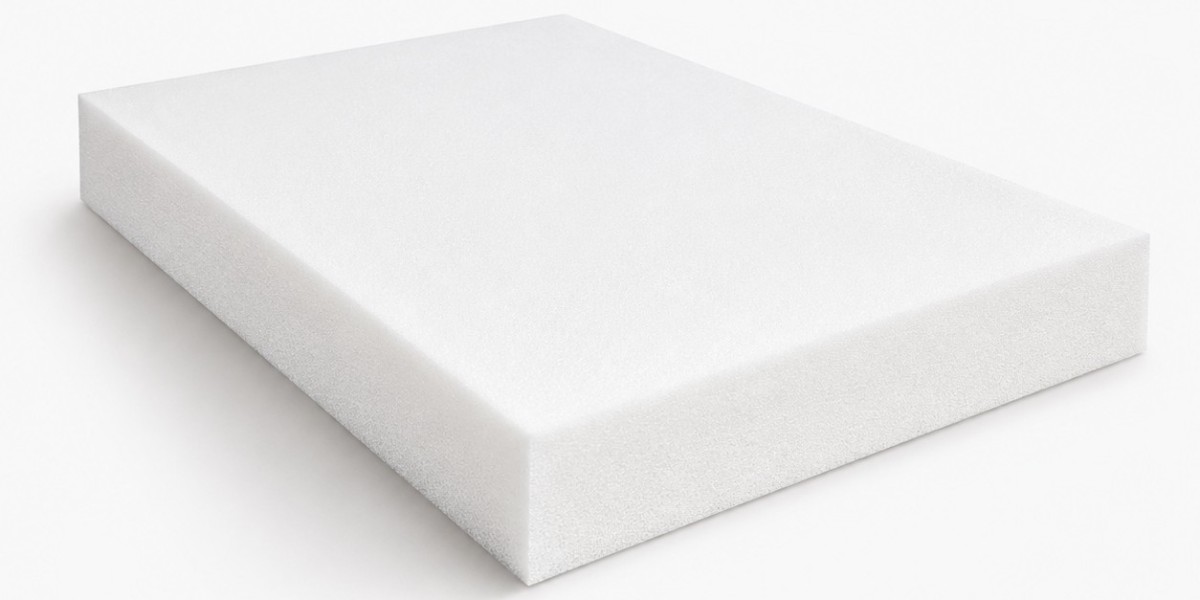

Upholstery Foam Sheets: A Practical Guide for Furniture Projects
Furniture comfort often depends on what sits beneath the fabric. While the outer material gets most of the attention, the foam inside plays a major role in support, shape, and durability. Choosing the right foam can improve how a chair, sofa, or cushion feels and how long it stays useful.
Whether you are repairing an old seat or creating something from scratch, understanding foam types makes the process easier. Different projects require different levels of firmness, thickness, and flexibility.
What Are Upholstery Foam Sheets?
Upholstery foam sheets are flexible foam materials used to pad and shape furniture. They are commonly placed beneath fabric, leather, or other coverings to create a comfortable seating surface.
These sheets come in various thicknesses, densities, and firmness levels. Some are designed for everyday seating, while others work better for decorative cushions, headboards, benches, and craft projects.
The term upholstery foam sheets covers a wide range of foam products used in furniture restoration, home improvement, and custom upholstery. Their main purpose is to provide cushioning while helping the finished piece maintain its shape.
Common Uses for Upholstery Foam
Foam sheets are useful in many residential and commercial projects. Their application depends on the furniture design and the level of support required.
Sofa and Chair Cushions
Seat cushions need foam that can handle repeated pressure without quickly losing its shape. The right choice depends on whether the cushion is intended for occasional use or daily seating.
Back cushions may use softer foam because they are designed for comfort rather than the same level of weight-bearing support.
Benches and Window Seats
Benches and window seats often need firm, supportive padding. A suitable foam sheet can make a hard wooden surface more comfortable while giving the piece a neat, tailored appearance.
The thickness should match the available space. Foam that is too thick may affect the fit, while foam that is too thin may not provide enough comfort.
Headboards and Decorative Projects
Upholstery foam is also used for padded headboards, wall panels, ottomans, and decorative furniture. In these applications, the foam helps create a soft surface and adds dimension beneath the covering.
How to Choose the Right Foam
Selecting foam is not simply about choosing the thickest or softest option. The best material depends on how the furniture will be used.
Consider Density and Firmness
Density refers to the weight of the foam material within a given volume, while firmness describes how much force is needed to compress it. These are different properties, and both matter when selecting foam.
For seating, a balance of comfort and support is important. Softer foam may feel pleasant initially, but a firmer option may be more suitable for cushions that receive frequent use.
Check the Required Thickness
Measure the space where the foam will be installed before ordering. Consider the original cushion dimensions, the fabric allowance, and whether the foam needs to fit inside a cover.
For replacement projects, compare the old foam with the intended finished measurements. This helps prevent a cushion from becoming too tight or uneven.
Think About the Furniture's Purpose
A dining chair, lounge sofa, outdoor cushion, and decorative bench may each require a different foam specification. Think about how often the item will be used and whether comfort, shape retention, or appearance is the main priority.
Cutting and Fitting Foam Sheets
Many upholstery foam sheets can be cut to fit custom furniture shapes. Accurate measurements are essential, especially when working with fitted covers or multiple cushion sections.
A sharp, suitable cutting tool can help create cleaner edges. For complex shapes, making a paper or cardboard template first can reduce mistakes and material waste.
The foam should fit securely without excessive compression. Uneven cuts or poorly measured sections can create visible lumps beneath the upholstery fabric.
Understanding Foam Quality and Maintenance
Foam quality affects how a cushion performs over time. However, even good foam needs suitable use and care. Avoid exposing indoor upholstery foam to moisture unless it is specifically designed for that environment.
Use properly fitted covers and follow the manufacturer's care guidance. If a cushion becomes permanently compressed, develops uneven areas, or no longer provides support, replacement may be more practical than continued use.
A Reliable Source for Foam Materials
Allfoam offers foam materials for upholstery, cushioning, and custom furniture projects. Its product range helps customers explore options based on their project's dimensions and intended use. Reviewing product specifications before ordering can make it easier to select a suitable material without unnecessary guesswork.
Visit us here: https://www.allfoam.co.uk
Frequently Asked Questions
What are upholstery foam sheets used for?
They are used to cushion and shape furniture such as sofas, chairs, benches, ottomans, and headboards. They are also useful for DIY and restoration projects.
How thick should upholstery foam be?
The required thickness depends on the furniture type, available space, and desired comfort. Measure the existing cushion or frame before choosing a thickness.
Is softer foam always better for cushions?
Not necessarily. Softer foam may feel comfortable, but cushions used frequently often need enough firmness and support to maintain their shape.
Conclusion
The right foam can make a noticeable difference in furniture comfort, appearance, and longevity. By considering density, firmness, thickness, and intended use, you can choose a material that suits your project more effectively.
Whether you are restoring a favorite chair or building a custom cushion, careful measurements and product specifications are the best starting points for a successful upholstery project.