
Success is often measured by what can be seen.
Revenue. Growth. Influence. Professional achievement. Organizational scale. Capital. Recognition.
But beneath every visible outcome is an underlying structure that helps determine how that outcome was created—and whether it can be sustained.
For many high performers, the challenge is therefore not a lack of ambition, discipline, or effort. They have already demonstrated their ability to perform. The more difficult question is whether they fully understand the systems surrounding their decisions.
This is where structural clarity becomes essential.
Structural clarity means understanding the architecture behind outcomes: leadership, governance, incentives, economic systems, institutional relationships, capital, and long-term strategy. It is the ability to look beyond an immediate result and examine the forces that shape what happens next.
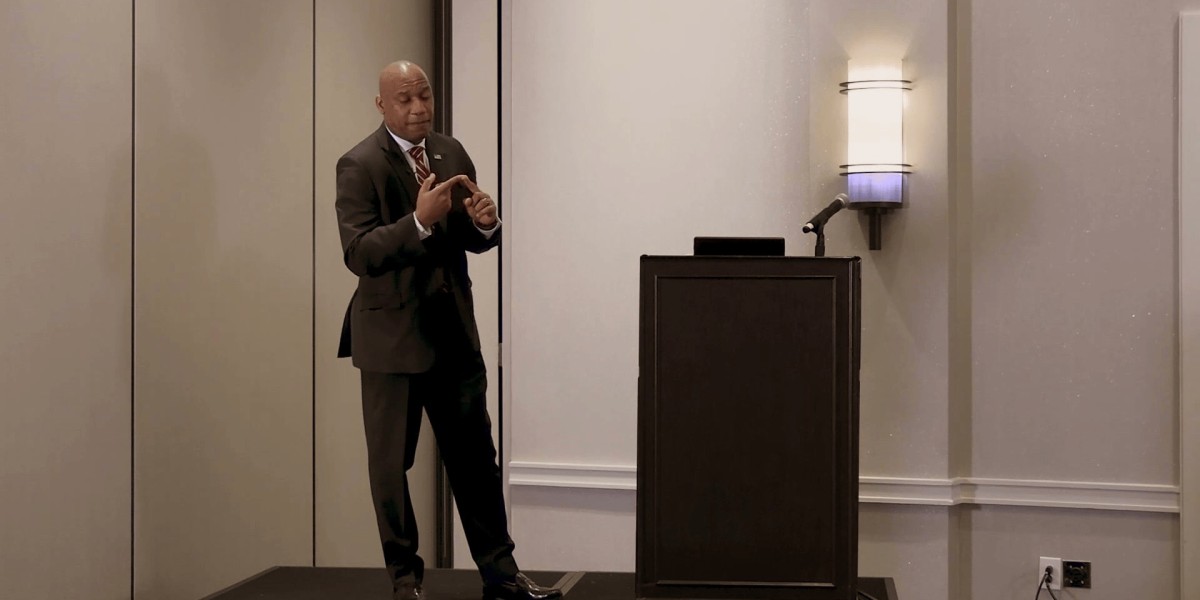
This is the focus of Antomius Wise.
The Architecture Behind Outcomes
Antomius Wise works at the intersection of institutional thinking, executive education, governance, strategic philanthropy, and economic systems.
His work begins with a straightforward premise: many important outcomes are determined by structures long before they become visible.
A leader may make a decision based on the information immediately available. However, that decision exists within a larger environment of incentives, governance requirements, economic relationships, institutional expectations, and stakeholder interests.
Understanding those relationships can change the questions leaders ask.
Instead of simply asking whether something is working, leaders can ask why it is working, what structure is supporting it, what incentives are influencing it, and whether that structure is capable of producing sustainable results.
That shift—from reacting to outcomes to understanding systems—is central to institutional thinking.
Education for the Rooms Where Decisions Matter
Antomius Wise's work is designed for environments where complex decisions intersect with capital, governance, leadership, and legacy.
This includes executive leadership teams, wealth advisors and trust networks, physicians and high-income professionals, entrepreneurial organizations, universities, associations, civic leaders, philanthropic organizations, family offices, and high-capacity donors and founders.
Each audience encounters different challenges, but many share a common need: the ability to understand the structures surrounding significant decisions.
For wealth advisors and trust networks, this can mean examining governance and institutional structures in ways that complement existing fiduciary relationships.
For executive teams, it can mean exploring incentives, decision architecture, governance discipline, and organizational structure.
For physicians and high-income professionals, structural education can provide a broader framework for understanding the systems connected to significant professional and financial responsibilities.
For founders, the conversation can evolve from building a successful company to thinking about how an organization becomes a durable institution.
And for philanthropic and civic leaders, the focus can move beyond charitable intent toward questions of economic infrastructure, governance, and long-term community impact.
From Companies to Institutions
Entrepreneurial success can create something larger than a business.
As organizations grow, they develop employees, leadership structures, capital relationships, stakeholders, governance processes, and responsibilities that extend beyond the founder.
At that point, institutional thinking becomes increasingly important.
The question is no longer simply, "How do we grow?"
It becomes:
What are we building, what structures support it, and what will allow it to endure?
This perspective encourages founders and leadership teams to think in longer time horizons.
Growth matters, but so do governance, incentives, continuity, institutional resilience, and the ability to create value beyond a single moment of success.
Rethinking Strategic Philanthropy
Philanthropy also benefits from a systems-oriented perspective.
Traditional conversations about giving frequently emphasize generosity, charitable organizations, and immediate community needs. Strategic philanthropy introduces another layer of analysis by examining the structures through which resources create lasting impact.
How are decisions governed?
How are resources aligned with mission?
What economic systems influence the communities being served?
How can organizations create durable value?
What structures can support impact over an extended period?
These questions do not diminish the importance of charitable giving. Instead, they expand the conversation.
Strategic philanthropy can become an educational exercise in understanding how capital, governance, mission, and economic systems interact.
Antomius Wise approaches these discussions educationally and non-transactionally, helping donors and founders examine the broader architecture behind their philanthropic objectives.
Private Executive Briefings
Not every important conversation belongs on a stage.
Private executive briefings create an environment for more focused discussions among leadership teams, wealth-advisor networks, philanthropic leaders, family offices, and high-income founders.
These sessions can explore subjects including strategic philanthropy, governance discipline, economic systems, institutional thinking, incentive alignment, and family legacy education.
The objective is not to provide a universal formula.
It is to create space for leaders to examine the assumptions and structures behind their decisions.
Sometimes the most valuable insight comes from identifying a question that was previously invisible.
Executive Education That Changes How Leaders Think
Antomius Wise's work extends beyond traditional keynote speaking.
Institutional keynotes, workshops, executive education, and private briefings are designed to introduce frameworks that leaders can continue applying after the engagement ends.
The emphasis is on mental models.
A keynote can provide a new perspective. A workshop can create an opportunity to explore it. Executive education can help leaders integrate that perspective into the way they analyze organizations, capital, governance, and impact.
This approach is particularly relevant for audiences dealing with complex systems where there are rarely simple answers.
Making Long-Term Impact More Visible
Long-term impact requires more than good intentions.
It requires structures capable of supporting those intentions.
Governance influences continuity. Incentives influence behavior. Economic systems influence opportunity. Institutional design influences decision-making. Capital can amplify both strengths and weaknesses within a system.
When these elements are understood together, leaders gain a more complete picture of what they are building and the forces influencing its trajectory.
Structural clarity does not eliminate complexity.
It makes complexity easier to see.
For leaders operating at the intersection of capital, governance, leadership, philanthropy, and legacy, that perspective can create an important foundation for deeper decision-making.
Antomius Wise brings these conversations into executive rooms, universities, associations, philanthropic settings, family office discussions, and institutional environments—creating educational experiences centered on the systems beneath visible outcomes.
Because the most important question is not always what happened.
Sometimes, it is understanding the structure that made it happen—and whether that structure is designed for what comes next.