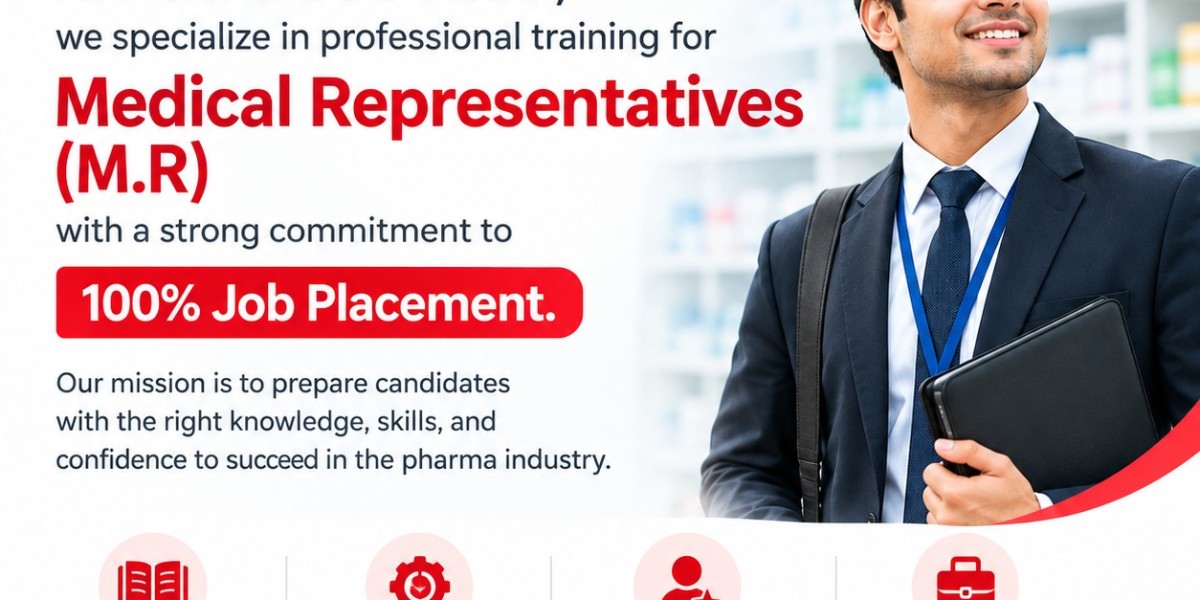

A career in the pharmaceutical industry can offer opportunities for people who enjoy learning, communicating with others, and working in a professional field environment. Among the different entry-level positions available in the industry, a Medical Representative Job is often considered by graduates who want to develop experience in pharmaceutical sales and healthcare-related business.
The role is more varied than simply visiting doctors and discussing medicines. A medical representative may spend the day planning visits, studying product information, meeting healthcare professionals, maintaining records, travelling across a territory, communicating with managers, and following up on professional interactions.
Because the job combines pharmaceutical knowledge with communication and sales responsibilities, it requires a combination of technical understanding, organisation, confidence, and professional conduct.
Understanding the role properly before applying can help candidates decide whether this career matches their interests and working style.
What Does a Medical Representative Do?
A medical representative generally acts as a professional link between a pharmaceutical company and healthcare professionals within an assigned territory.
The exact duties depend on the company, product portfolio, territory, and position. However, representatives may be responsible for communicating approved product information, developing professional relationships, monitoring field activity, maintaining records, and working toward business objectives.
The job often involves independent working. A representative may receive a territory and daily objectives from a manager and then organise their activities accordingly.
This makes planning and personal discipline important parts of the profession.
Understanding the Role Before Joining
A common misunderstanding among freshers is that pharmaceutical sales is mainly about talking to doctors.
In reality, much of the work happens before and after the meeting.
A representative may need to:
- Study product information
- Plan the day's route
- Review previous interactions
- Prepare discussion points
- Travel between locations
- Conduct professional meetings
- Record activities
- Follow up where appropriate
- Report information to the manager
The quality of preparation can influence how effectively the representative manages the working day.
Responsibility 1: Learning Product Information
Product knowledge is one of the basic responsibilities of a pharmaceutical representative.
A representative needs to understand the products assigned by the company and communicate relevant information accurately.
Depending on the product, learning may involve:
- Product composition
- Therapeutic category
- Indications
- Dosage-related information
- Precautions
- Contraindications
- Product positioning
- Relevant scientific information
Representatives should use approved company information and avoid making unsupported medical claims.
Product knowledge also changes over time, so learning does not stop after initial company training.
Responsibility 2: Planning Professional Visits
A medical representative may have several professional interactions scheduled during a day.
Good planning helps make these activities manageable.
Before beginning the day, the representative may review:
- Which professionals need to be visited
- Where they are located
- Appropriate visiting times
- Follow-up requirements
- Travel time
- Priority activities
Effective planning becomes particularly important in large cities where traffic and travel distances can affect schedules.
Responsibility 3: Communicating With Healthcare Professionals
Professional communication is at the centre of a Medical Representative Job.
Representatives may interact with doctors, pharmacists, hospital staff, distributors, and other healthcare professionals depending on their assigned responsibilities.
A professional interaction should be clear, respectful, and relevant.
Representatives need to understand that healthcare professionals often have limited time. The ability to communicate important information without unnecessary discussion can therefore be valuable.
Listening is equally important.
A representative should understand questions and respond using reliable and appropriate information.
Responsibility 4: Building Professional Relationships
Pharmaceutical sales are not based entirely on individual meetings.
Long-term professional relationships can be an important part of fieldwork.
Representatives may need to maintain regular communication, remember previous discussions, provide appropriate follow-up, and remain professional even when an interaction does not produce an immediate business result.
Relationship building requires patience.
A representative should avoid becoming overly aggressive or treating every interaction as a quick sales opportunity.
Responsibility 5: Managing a Territory
Most field representatives work within an assigned geographical territory.
Territory management involves deciding how to organise professional visits and daily activities.
A representative may need to manage:
- Customer lists
- Visit frequency
- Travel routes
- Appointment schedules
- Follow-ups
- Daily targets
- Activity records
Over time, representatives become more familiar with their territories and learn how to manage their time more efficiently.
Responsibility 6: Maintaining Field Records
Documentation is another regular responsibility.
Depending on the employer's systems, representatives may record information about visits, customer interactions, follow-ups, expenses, product discussions, or territory activity.
Accurate records help both the representative and management team understand what has happened in the field.
Developing good reporting habits early can also help prevent confusion later.
Responsibility 7: Meeting Business Objectives
A medical representative usually works within commercial objectives established by the company.
These objectives can differ between organisations and may relate to sales, customer coverage, product activity, territory development, or other performance measures.
Candidates should understand that sales performance can be part of the role.
However, responsible pharmaceutical sales should be based on accurate product communication and professional relationships rather than misleading or inappropriate claims.
Responsibility 8: Attending Company Meetings and Training
Medical representatives may participate in internal meetings and training programmes.
These sessions can cover:
- New products
- Product updates
- Sales strategies
- Territory performance
- Reporting systems
- Company policies
- Communication methods
- Professional development
Representatives need to remain willing to learn because pharmaceutical companies can regularly introduce new products, procedures, or internal systems.
Responsibility 9: Using Digital Tools
The modern representative often relies on technology.
Depending on the organisation, digital tools may be used for:
- Visit reporting
- Scheduling
- Customer records
- Communication
- Attendance
- Sales information
- Performance tracking
Basic confidence with smartphones, email, spreadsheets, online forms, and company applications can therefore be useful.
Technology does not replace field communication, but it can make administrative work more organised.
Responsibility 10: Handling Questions Professionally
Healthcare professionals may ask detailed questions during interactions.
A representative should never feel pressured to provide an answer simply to appear knowledgeable.
If reliable information is not immediately available, the appropriate approach is to acknowledge the question and obtain accurate information through the relevant company or approved source.
This habit protects professional credibility and encourages responsible communication.
Skills Developed Through a Medical Representative Job
One reason candidates consider pharmaceutical field sales is the variety of skills they can develop.
Communication
Daily interaction with professionals can improve clarity, confidence, listening, and presentation.
Time Management
Managing several visits and travel requirements encourages better planning.
Relationship Management
Regular professional interaction can develop interpersonal and customer relationship skills.
Product Knowledge
Continuous study can strengthen understanding of pharmaceutical products and related terminology.
Negotiation and Professional Discussion
Representatives may learn how to respond to questions, objections, and different professional viewpoints.
Digital Skills
Reporting applications and digital communication can improve technology skills.
These abilities can remain useful even if a professional later moves into another area of the pharmaceutical industry.
Career Opportunities After Gaining Experience
A Medical Representative Job can be an entry point rather than the final stage of a pharmaceutical career.
With relevant experience, qualifications, and performance, professionals may explore opportunities such as:
- Senior medical representative
- Sales executive
- Territory sales positions
- Area sales roles
- Business development
- Pharmaceutical marketing
- Sales training
- Product-related commercial roles
The actual career path depends on the organisation and the individual's qualifications and professional development.
There is no single route that every representative follows.
Who May Be Suitable for This Career?
The role can suit people who enjoy active working environments and regular professional interaction.
It may be appropriate for candidates who are:
- Comfortable communicating with others
- Willing to travel
- Interested in pharmaceutical products
- Organised
- Self-motivated
- Open to learning
- Comfortable working independently
- Interested in sales and relationship building
Candidates who strongly prefer laboratory-based or desk-based work may want to consider other pharmaceutical career paths.
What Freshers Should Know
Freshers should not expect to understand everything immediately.
The first few months may involve learning:
- Company products
- Reporting procedures
- Territory structure
- Professional communication
- Internal systems
- Customer expectations
- Sales processes
Initial company training and guidance from experienced colleagues can help.
The most useful approach is to ask questions, accept feedback, maintain accurate records, and gradually improve.
Important Questions Before Accepting a Job
Before accepting a Medical Representative Job, candidates should understand the complete employment arrangement.
Ask about:
- Assigned territory
- Daily travel
- Working hours
- Fixed salary
- Incentives
- Travel reimbursement
- Reporting structure
- Training period
- Performance expectations
- Probation conditions
- Growth opportunities
These details can differ significantly between employers.
Understanding them before joining can help prevent misunderstandings.
Common Challenges of the Profession
Like any career, pharmaceutical field sales has its challenges.
Representatives may have to manage traffic, changing schedules, difficult conversations, performance expectations, and regular travel.
There may also be days when planned meetings do not happen as expected.
Developing patience and flexibility can help.
Good organisation is particularly valuable because small scheduling problems can affect several activities during the same day.
How to Prepare Before Applying
Freshers can improve their readiness before applying by developing basic pharmaceutical knowledge and practising professional communication.
Useful preparation can include:
- Learning pharmaceutical terminology
- Reading product information from reliable sources
- Practising self-introductions
- Preparing a professional resume
- Participating in mock interviews
- Improving digital skills
- Learning basic territory planning
- Understanding fieldwork expectations
Training can also be useful for candidates who want structured practical preparation.
Final Thoughts
A Medical Representative Job combines pharmaceutical knowledge, professional communication, fieldwork, relationship management, reporting, and commercial responsibilities. It is a practical career that can expose freshers to different aspects of the pharmaceutical business while helping them develop transferable professional skills.
The role requires more than simply knowing about medicines. Representatives need to prepare carefully, communicate responsibly, manage their territory, maintain accurate records, use digital tools, and continue learning throughout their careers.
For candidates considering this profession, the best starting point is to understand the actual working environment before applying. Check the qualifications required, territory, travel expectations, salary structure, training, and performance responsibilities of each vacancy.
With the right preparation and a willingness to learn, a Medical Representative Job can provide valuable early-career experience and may open opportunities for further development in pharmaceutical sales, marketing, business development, training, and related areas.