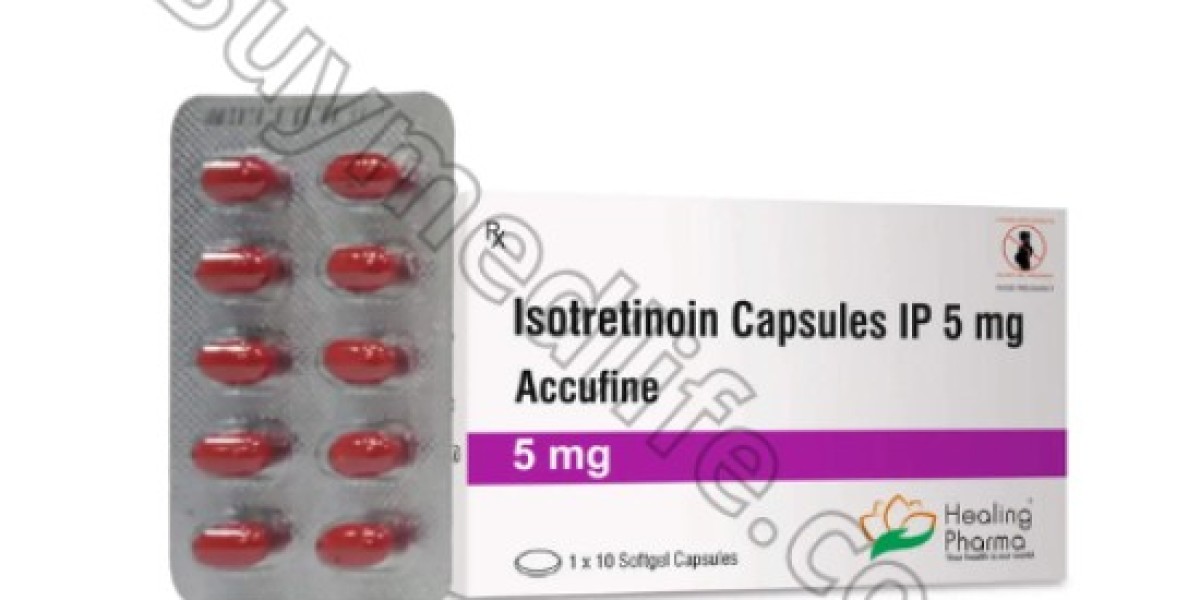

Acne can be difficult to manage when pimples, inflammation, and breakouts continue despite regular skincare and other acne treatments. Accufine 5 mg is a prescription medicine containing isotretinoin that may be used under medical supervision for certain forms of severe or persistent acne.
Because isotretinoin is a potent medicine with important safety considerations, it should only be used according to the instructions of a qualified healthcare professional. This guide explains the uses, potential benefits, dosage considerations, side effects, and precautions associated with Accufine 5 mg.
What Is Accufine 5 mg?
Accufine 5 mg contains isotretinoin, a retinoid related to vitamin A. It works on several factors involved in acne development, including excessive oil production, clogged pores, and inflammation.
Accufine 5 mg is generally considered a low-strength isotretinoin capsule and may be prescribed in particular treatment situations. The appropriate strength and treatment duration depend on factors such as the severity of acne, body weight, response to treatment, and medical history.
Isotretinoin treatment requires medical supervision because it can cause significant side effects and requires specific precautions.
What Is Accufine 5 mg Used For?
Accufine 5 mg may be prescribed for acne that has not responded adequately to other treatments. A dermatologist may consider isotretinoin when acne is severe, persistent, or associated with a significant risk of scarring.
Potential uses include:
- Severe inflammatory acne
- Persistent acne that has not improved with other treatments
- Acne that may cause significant scarring
- Certain cases of nodular or cystic acne
Accufine should not be started simply because ordinary acne has appeared. A healthcare professional should determine whether isotretinoin is appropriate.
How Does Accufine 5 mg Work?
Isotretinoin works through several mechanisms that help reduce acne formation. One of its major effects is reducing the activity and size of the sebaceous glands, which produce skin oil.
Excess sebum can contribute to clogged pores and create an environment where acne develops. By reducing sebum production, isotretinoin can help decrease new acne lesions.
It also influences the formation of clogged pores and has anti-inflammatory effects. Together, these actions can help improve persistent or severe acne over the course of treatment.
Benefits of Accufine 5 mg
When prescribed appropriately, Accufine 5 mg may provide several potential benefits for people with difficult-to-treat acne.
1. Helps Reduce Severe Acne
Isotretinoin can be effective for severe acne that has not responded sufficiently to conventional treatments.
2. Reduces Excess Oil Production
One important effect of isotretinoin is reducing sebum production. Less facial oil can contribute to fewer blocked pores and acne lesions.
3. May Help Prevent New Breakouts
By affecting oil production and the processes involved in clogged pores, isotretinoin may reduce the development of new acne lesions during treatment.
4. May Reduce the Risk of Acne Scarring
Controlling severe inflammatory acne may help reduce the ongoing formation of acne lesions that can eventually leave scars. However, isotretinoin does not guarantee that existing acne scars will disappear.
Accufine 5 mg Dosage
The Accufine 5 mg dosage should be determined by a doctor. Isotretinoin dosing is individualized rather than being a standard dose that is suitable for everyone.
Doctors may consider factors such as:
- Body weight
- Severity and type of acne
- Previous acne treatments
- Response to isotretinoin
- Side effects
- Other medical conditions
- Other medicines being taken
Accufine should be taken exactly as prescribed. Do not increase, decrease, or stop the dose without speaking with your healthcare professional.
Accufine 10 mg: A Higher-Strength Option
Accufine 10 mg contains twice the amount of isotretinoin per capsule compared with Accufine 5 mg, so it is a higher-strength medicine. However, this does not mean that Accufine 10 mg is automatically better or more suitable.
A doctor may adjust the isotretinoin strength during treatment depending on acne severity, treatment response, body weight, and tolerability. Patients should not switch from Accufine 5 mg to Accufine 10 mg on their own.
How to Take Accufine 5 mg
Follow your prescription and the instructions provided by your healthcare professional.
Depending on the specific product instructions, isotretinoin capsules may need to be taken with food to improve absorption. Swallow the capsule with water and do not crush or chew it unless your healthcare professional specifically tells you otherwise.
If you miss a dose, follow the instructions provided by your doctor or pharmacist rather than taking extra capsules to compensate.
Accufine 5 mg Side Effects
Like other medicines, isotretinoin can cause side effects. Some are related to its drying effects.
Common effects may include:
- Dry or peeling lips
- Dry skin
- Dry eyes
- Dry nose
- Nosebleeds
- Skin sensitivity
- Mild muscle or joint discomfort
Using a gentle moisturizer and lip balm may help with dryness. People who wear contact lenses may experience increased eye dryness.
Some side effects can be more serious. Contact a healthcare professional promptly if you experience unusual mood changes, severe headache or vision changes, significant abdominal symptoms, severe skin reactions, or other concerning symptoms.
Important Precautions
Accufine requires several important precautions.
Pregnancy
Isotretinoin can cause serious birth defects if taken during pregnancy. It must not be used during pregnancy, and people who can become pregnant need to follow the pregnancy-prevention requirements provided by their healthcare professional.
If pregnancy occurs during treatment, contact a healthcare professional immediately.
Blood Tests and Monitoring
Your doctor may recommend blood tests during treatment to monitor certain parameters, particularly when clinically appropriate. Follow-up appointments are important for assessing both effectiveness and potential side effects.
Avoid Excessive Sun Exposure
Isotretinoin may make the skin more sensitive. Use appropriate sun protection and avoid unnecessary prolonged exposure to strong sunlight.
Be Careful With Other Vitamin A Products
Taking additional vitamin A supplements together with isotretinoin may increase the risk of vitamin A-related side effects. Tell your healthcare professional about all supplements and medicines you use.
Avoid Certain Cosmetic Procedures
Some cosmetic procedures, including certain waxing or aggressive skin treatments, may be unsuitable during or around isotretinoin treatment because the skin can become more sensitive. Ask your dermatologist before undergoing cosmetic procedures.
Who Should Avoid Accufine?
Accufine is not suitable for everyone. Tell your doctor if you have liver problems, high blood lipid levels, allergies, or any other relevant medical condition.
You should also provide a complete list of prescription medicines, over-the-counter medicines, vitamins, and supplements you take.
Because isotretinoin has important pregnancy-related risks, pregnancy status and pregnancy-prevention requirements must be addressed before treatment when applicable.
Frequently Asked Questions
Is Accufine 5 mg effective for acne?
Accufine 5 mg contains isotretinoin, which can be effective for certain severe or persistent forms of acne. Its suitability depends on individual circumstances and should be determined by a dermatologist.
Is Accufine 10 mg stronger than Accufine 5 mg?
Yes. Accufine 10 mg contains twice as much isotretinoin per capsule as Accufine 5 mg, making it a higher-strength option. The appropriate strength depends on the individual's treatment plan.
Can I increase Accufine 5 mg to 10 mg myself?
No. Do not change your isotretinoin dose without medical advice. Your doctor may adjust the strength based on your response and side effects.
How long does Accufine treatment take?
Treatment duration varies from person to person. Your dermatologist will determine the appropriate duration based on your acne, response to treatment, and overall tolerability.
Final Thoughts
Accufine 5 mg is a low-strength isotretinoin medicine that may be prescribed for certain cases of severe or persistent acne. It can reduce excess oil production and help control acne, but it also has important safety considerations.
Accufine 10 mg is a higher-strength option, but a higher strength is not necessarily more appropriate for every patient. Isotretinoin should be used only under appropriate medical supervision, with attention to pregnancy prevention, potential side effects, and recommended monitoring.
If you are considering Accufine 5 mg or wondering whether a higher strength such as Accufine 10 mg is appropriate, speak with a qualified dermatologist rather than changing the dose yourself.