
Retail businesses face many challenges when protecting their products, employees, and customers. Shoplifting, inventory shortages, internal theft, and accidental product damage can affect daily operations and reduce profits. Therefore, businesses need practical security solutions that help identify risks and maintain better control over their inventory. Using reliable loss prevention equipment can help retailers create a safer shopping environment while improving inventory management and reducing unnecessary expenses.
Understanding the Importance of Retail Loss Prevention
Loss prevention is an essential part of managing a successful retail business. Every missing product or unexplained inventory difference can affect profitability. Moreover, repeated losses can make it difficult for managers to maintain accurate stock records and plan future purchases.
A strong prevention strategy combines trained employees, clear store policies, inventory monitoring, and suitable security tools. Instead of responding to theft after it happens, retailers can use preventive measures to identify suspicious activity and reduce opportunities for loss. This approach also helps employees follow consistent procedures during busy shopping hours.
Common Causes of Inventory Loss
Retail shrinkage can happen for several reasons. Shoplifting is a common concern, especially in stores with high customer traffic or easily accessible merchandise. However, employee errors, damaged products, incorrect deliveries, and administrative mistakes can also create inventory discrepancies.
Businesses should regularly review stock records and compare them with physical inventory. Furthermore, managers can examine areas where losses occur most frequently to identify weaknesses in existing procedures. Understanding the main causes of shrinkage allows retailers to choose solutions that address their actual security needs instead of investing in unnecessary products.
Types of Security Solutions for Retail Stores
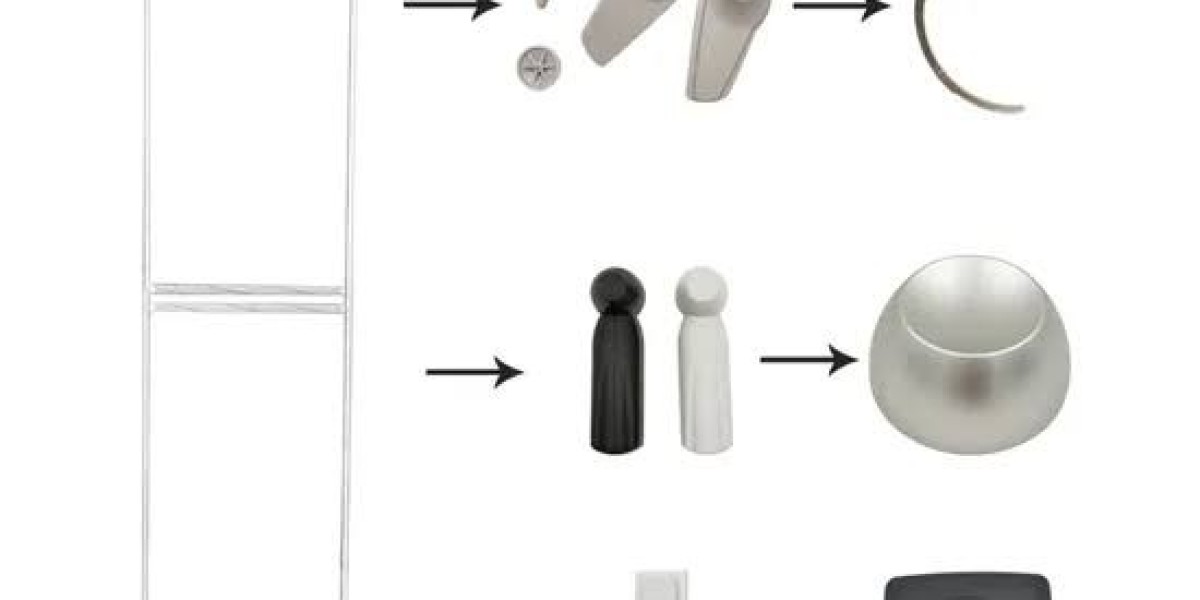
Different stores require different protection methods depending on their size, merchandise, and daily operations. Clothing retailers may benefit from electronic article surveillance tags, while electronics stores might need secure display cases and controlled access to expensive products.
Security cameras can help monitor entrances, checkout counters, storage areas, and other important locations. Meanwhile, alarm systems can alert staff when protected merchandise passes through designated detection points without proper authorization.
Selecting suitable loss prevention equipment requires an understanding of store layout, product value, customer movement, and existing security procedures. Combining complementary tools can provide better coverage than relying on a single security measure.
How Can Businesses Improve Their Loss Prevention Strategy?
Businesses can improve their security by identifying vulnerable areas and establishing clear procedures for handling merchandise. For example, high-value products should be displayed where employees can monitor them easily. Staff members should also understand how to respond to suspicious behavior without creating uncomfortable situations for genuine customers.
Regular inventory checks are equally important because they help managers detect unusual patterns before losses become more serious.
Selecting Solutions That Match Your Business Needs
Choosing effective loss prevention equipment starts with evaluating the products, store environment, and risks that matter most. Retailers should consider installation requirements, compatibility, maintenance, ease of use, and long-term operating costs. A solution that works well in a small boutique may not provide sufficient coverage for a large department store.
Businesses should also evaluate whether their chosen systems can support existing workflows. Practical security tools should protect merchandise while allowing employees to serve customers efficiently.
The Benefits of Working With a Reliable Distributor
Finding suitable security products becomes easier when businesses work with a distributor that understands retail protection requirements. A dependable supplier can help retailers explore available options, compare product features, and identify solutions that suit their operational needs.
lp-distributors can be considered when researching products and distribution options for retail loss prevention. Businesses should review product specifications, availability, compatibility, and support services before deciding which solutions are appropriate for their stores.
Working with an informed supplier can also help businesses avoid purchasing equipment that does not match their security requirements. In addition, evaluating