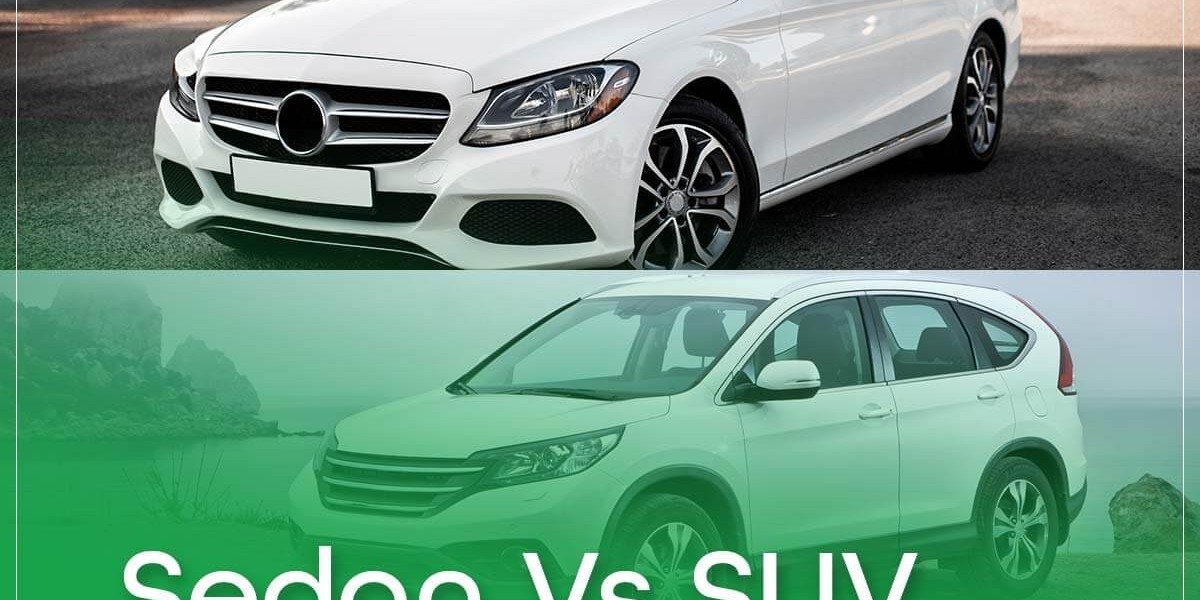

A sedan usually suits city driving because it offers easier parking, lower fuel consumption, and comfortable handling on urban roads. An SUV provides more passenger space, higher ground clearance, and flexible cargo capacity for family holidays and longer journeys. The better choice depends on your family size, luggage, driving routes, budget, and daily travel needs.
This guide compares sedans and SUVs across fuel economy, comfort, safety, parking, maintenance, and road-trip practicality to help you choose the right vehicle for everyday driving and family travel.
1. What Is the Difference Between a Sedan and an SUV?
A sedan is a passenger car with a separate boot, a relatively low driving position, and a body designed primarily for road comfort and efficiency. Popular examples include the Toyota Corolla, Honda Civic, and Nissan Altima.
An SUV, or sport utility vehicle, generally offers a taller body, a higher seating position, and more flexible interior space. Models such as the Toyota RAV4, Nissan X-Trail, and Toyota Land Cruiser suit different needs, from everyday family transport to outdoor adventures.
The main differences come down to size, ride height, storage capacity, and running costs.
Feature | Sedan | SUV |
Body design | Lower, streamlined body | Taller body with higher ground clearance |
City driving | Easier to manoeuvre in tight spaces | Larger models need more room |
Fuel economy | Generally better | Generally lower, depending on size and engine |
Passenger comfort | Comfortable for small families | More flexible space for larger families |
Luggage capacity | Enclosed boot with a fixed shape | Often more flexible cargo space |
Parking | Usually easier | Can be challenging in narrow spaces |
Ground clearance | Lower | Usually higher |
Long-distance travel | Comfortable on paved highways | Comfortable with added space and versatility |
Purchase and running costs | Often lower | Often higher for comparable models |
These are general patterns, not universal rules. A compact SUV can be easier to drive in a city than a large sedan, while a well-equipped sedan can offer a smoother and quieter highway ride than an inexpensive SUV.
2. Which Vehicle Is Better for City Driving?
For most urban commuters, a sedan is the practical choice. Its smaller footprint, lower ride height, and efficient powertrain can make daily travel simpler, especially when roads are congested and parking spaces are limited.
Parking and manoeuvrability
Sedans generally fit more easily into tight parking spaces, residential garages, and crowded streets. Their lower driving position can also make the vehicle feel more stable when changing lanes or navigating bends.
SUVs provide a better view of the road in many situations, but their larger dimensions can make parallel parking and narrow turns more demanding. Parking sensors and a rear-view camera can help with either body style.
Fuel consumption and daily costs
Sedans often use less fuel because many models weigh less and have a more aerodynamic shape. This advantage can matter when you commute every day or spend long periods in stop-and-go traffic.
SUV fuel consumption varies considerably. A small hybrid SUV may outperform a large petrol sedan, so compare the actual fuel economy of the models you are considering rather than relying on body style alone.
For drivers who need a vehicle for only a few days, comparing daily car rental options can also help match transport costs to the length of a city visit.
Comfort in traffic
A sedan typically offers a lower centre of gravity and predictable handling. Its compact dimensions can reduce the stress of navigating narrow streets and busy parking areas.
An SUV can be more comfortable for passengers who prefer a higher seating position or need easier access to a taller cabin. However, a high seating position does not automatically mean better ride comfort.
Best choice for city driving: Choose a sedan for frequent commuting, easy parking, and efficient everyday travel. Consider a compact SUV if you value a higher seating position and additional cabin flexibility.
3. Which Is Better for Family Trips?
An SUV often works better for families who carry pushchairs, shopping bags, sports equipment, or several suitcases. A sedan remains a strong option for small families who travel mainly on paved roads and pack light.
Passenger space and seating comfort
A midsize sedan can comfortably accommodate a family of four or five, depending on the model and seating configuration. Rear legroom, headroom, and seat design matter more than the body style alone.
SUVs generally offer a taller cabin and easier access for passengers who find low seats uncomfortable. Some larger SUVs also provide a third row, which can accommodate additional passengers when the vehicle is designed for that purpose.
Before choosing either vehicle, check:
Rear-seat legroom for adults and growing children.
The number of usable seatbelts and available child-seat anchor points.
Door openings and seat height for children or older passengers.
Rear air-conditioning vents for hot-weather travel.
Luggage and storage
Sedans have a separate boot that keeps luggage enclosed and out of sight. However, the boot opening and fixed compartment shape can limit the size of bulky items.
SUVs often provide more adaptable storage because their rear seats fold down in many models. This flexibility helps families carry strollers, camping gear, and large travel bags.
Do not assume every SUV has more usable luggage space. Compare the actual boot capacity and test whether your luggage fits with all passengers seated.
Family safety
Neither a sedan nor an SUV is automatically safer in every crash. Safety depends on the specific model, crash-test performance, vehicle condition, driver behaviour, and available safety technology.
Look for automatic emergency braking, electronic stability control, rear-seat restraints, and a rear-view camera where available. If you travel with young children, verify that the vehicle accommodates the appropriate child seats.
The UAE's road-safety guidance explains the importance of seatbelts and suitable child restraints. Review the official UAE road-safety guidance on seatbelt safety before travelling with children.
Best choice for family trips: Choose an SUV when you need flexible luggage space, easier entry, or additional seating. A midsize sedan is usually sufficient for a small family travelling with a moderate amount of luggage.
4. Which Vehicle Is Better for Long-Distance Driving?
Both sedans and SUVs can perform well on long journeys. Your comfort will depend on suspension tuning, seat support, cabin noise, engine performance, and the condition of the roads.
Highway comfort and handling
Sedans generally have a lower centre of gravity, which can contribute to stable handling at highway speeds. Many midsize models also offer comfortable seats and good fuel economy for long drives.
SUVs provide a higher seating position and may feel more accommodating during extended journeys. Their larger cabins can make it easier to arrange luggage and keep passengers comfortable.
However, large SUVs can experience more body roll in corners and may consume more fuel than comparable sedans. A well-designed crossover SUV can narrow this difference.
Mountain roads and uneven surfaces
Ground clearance becomes more important when your journey includes steep access roads, uneven surfaces, or rough parking areas.
An SUV can provide more clearance and a more commanding driving position, making it useful for trips around mountain destinations such as Hatta. However, higher ground clearance does not automatically make a vehicle suitable for off-roading. Check the vehicle's drivetrain, tyres, and manufacturer restrictions before leaving paved roads.
For a road trip that combines city stops with mountain scenery, SUV rental options in Dubai are worth considering when extra luggage space and ground clearance matter.
Fuel stops and travel costs
Fuel costs can add up during a long journey, particularly when travelling between emirates or making several stops in one day.
Estimate the total distance, compare each vehicle's fuel economy, and calculate the expected fuel expense before deciding. Also consider passenger comfort and luggage capacity rather than choosing solely on fuel consumption.
5. Sedan vs. SUV: Which Costs Less to Own or Rent?
Sedans generally cost less to buy and operate than similarly equipped, larger SUVs. They often have lower fuel costs and may require less expensive tyres. Actual maintenance costs depend on the vehicle, age, mileage, parts, and servicing requirements.
SUVs can cost more because of their weight, larger tyres, and more complex equipment. Premium SUVs may also have higher insurance and repair expenses.
Rental prices follow a similar pattern, although model availability, demand, season, and rental terms can change the difference.
Cost factor | Sedan | SUV |
Purchase price | Often lower | Often higher |
Fuel costs | Usually lower | Often higher for larger models |
Tyres | Commonly less expensive | Larger tyres may cost more |
Parking expenses | May be lower where size affects fees | Depends on location and vehicle dimensions |
Rental rates | Often more affordable | Often higher for larger models |
Cargo flexibility | Limited by boot design | Often more versatile |
When comparing vehicles for a Dubai trip, sedan rental options can be explored through GreatDubai's main rental listings. The site includes vehicles across several categories, so use the available vehicle-type filters to find sedans and compare individual models.
GreatDubai can also help travellers compare available vehicles from different rental providers. Before booking, check the final rental price, insurance coverage, mileage allowance, deposit requirements, Salik charges, and fuel policy. These terms can make a meaningful difference to the total cost.
6. How to Choose the Right Vehicle for Your Needs
Your typical journey should guide your decision more than general claims about sedans or SUVs.
Your situation | Better starting point | Why |
Daily commuting in busy city traffic | Sedan | Easier parking and often better fuel economy |
Solo travel or travel as a couple | Compact sedan | Comfortable transport without unnecessary space |
Family of four with light luggage | Sedan or compact SUV | Both can provide adequate passenger space |
Family holiday with several suitcases | SUV | More flexible cargo space in many models |
Travelling with elderly passengers | Test both | Seat height and door access matter |
Frequent mountain trips on paved roads | SUV or crossover | Higher ground clearance may help |
Long highway journeys | Either | Seat comfort, stability, and fuel economy matter |
Larger family needing a third row | Suitable seven-seat SUV | Provides additional seating when needed |
If your requirements change throughout the year, consider the length of time you need the vehicle. Weekly car rental options can suit a holiday or a short road trip, while monthly car rental options may suit residents who need a vehicle for an extended period.
7. What Should You Check Before Choosing a Rental Vehicle?
Whether you select a sedan or an SUV, confirm that the specific vehicle meets your needs before booking.
Passenger capacity: Count everyone travelling and ensure each person has a proper seatbelt.
Luggage space: Check boot dimensions and available capacity with all passengers seated.
Fuel economy: Compare the actual engine and model rather than relying on the vehicle category.
Safety equipment: Check airbags, stability control, parking sensors, and child-seat compatibility.
Driving route: Consider parking conditions, highway mileage, and any uneven roads on your itinerary.
Rental terms: Confirm insurance, mileage limits, deposit conditions, toll charges, and late-return fees.
Vehicle condition: Inspect the tyres, lights, brakes, bodywork, and dashboard warnings before departure.
These checks help prevent a common mistake: selecting a vehicle based on appearance or size without checking whether it fits the actual journey.
8. Final Verdict: Sedan or SUV?
A sedan is generally the better choice for city driving, everyday commuting, and budget-conscious travel. It usually offers easier parking, good road handling, and lower running costs.
An SUV is often the better option for family holidays, bulky luggage, and journeys where extra cabin flexibility or ground clearance is useful. Larger families may also benefit from a model with a third row.
For most small families who mainly drive around the city, a midsize sedan provides enough comfort and space. For families who regularly travel with several suitcases, children, or outdoor equipment, a suitable SUV may be worth the additional cost.
The most practical choice is the vehicle that fits your passengers, luggage, driving routes, and total budget—not simply the one with the larger body.