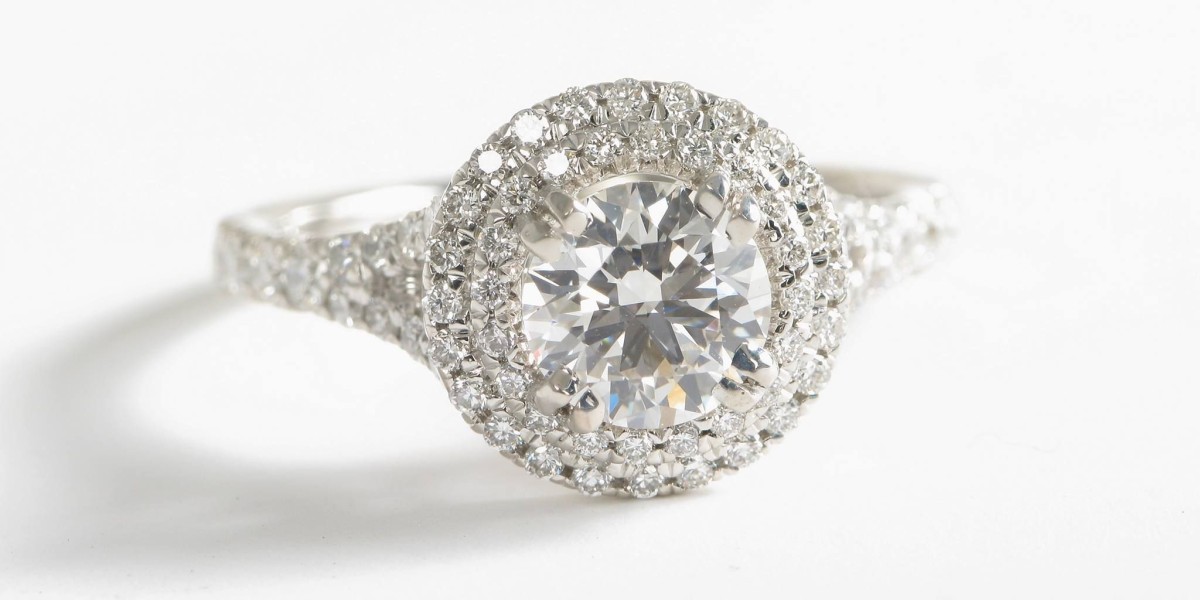

Choosing an engagement ring is an important decision because it represents love, commitment, and the beginning of a new chapter. Round cut engagement rings remain a popular choice for couples who appreciate timeless beauty, brilliant sparkle, and versatile designs. Their symmetrical shape allows light to reflect through the diamond in a way that creates exceptional brilliance, making them suitable for both traditional and contemporary jewelry styles.
However, selecting the right ring involves more than choosing a beautiful diamond. The quality of the stone, the setting, the metal, the ring size, and the available budget all influence the final purchase. Understanding these factors can help you make a confident decision without paying for features that do not matter to you.
Whether you prefer a classic solitaire or a detailed halo design, exploring the available options will help you find an engagement ring that reflects your partner's personality and suits your everyday lifestyle.
Why Are Round Cut Engagement Rings So Popular?
Round diamonds have maintained their popularity because they combine traditional elegance with impressive optical performance. Their balanced shape works well with different ring settings, making them suitable for a wide range of personal preferences.
The modern round brilliant diamond is typically cut with 57 or 58 facets, depending on whether the culet is counted. These facets are arranged to maximize the diamond's interaction with light when the stone has been cut and proportioned appropriately.
Several characteristics make round diamonds appealing:
Exceptional brilliance: Light is reflected and returned through the top of the diamond, creating a bright appearance.
Timeless design: Round stones have remained a familiar choice across generations.
Versatile styling: They can be paired with simple bands, pavé diamonds, halos, and vintage-inspired settings.
Flexible appearance: Different carat sizes and settings allow buyers to create a ring that suits their preferences.
Broad market selection: Round diamonds are widely available in natural and laboratory-grown options.
Although round diamonds are often associated with traditional jewelry, modern settings can give them a distinctive and contemporary appearance.
Which Diamond Quality Factors Should You Consider?
Diamond quality plays an important role in the appearance and price of an engagement ring. The four Cs, cut, color, clarity, and carat weight, provide a useful framework for comparing different stones.
1. Diamond Cut and Brilliance
The cut is one of the most important factors to consider when evaluating a round brilliant diamond. It refers to how well the diamond's proportions, symmetry, and facet arrangement interact with light.
A well-cut diamond can appear bright and lively, while a poorly cut stone may look dull or allow light to escape through the sides or bottom.
When comparing diamonds, consider:
Cut grade, where a recognized grading report provides one.
Symmetry and polish.
Light return and overall brightness.
Whether the diamond appears balanced when viewed from different angles.
A high carat weight does not automatically produce greater brilliance. The diamond's cut quality should be assessed alongside its size.
2. Diamond Color
Diamond color grades describe how much body color is visible in a stone. For standard white diamonds, grading generally runs from D, which is colorless, through Z, which shows increasing yellow or brown coloration.
Color preferences are personal, and the best option depends partly on the setting.
Colorless diamonds: D to F grades are generally considered colorless.
Near-colorless diamonds: G to J grades may offer a balance between appearance and price.
Warmer-looking diamonds: Some buyers prefer the warmth of lower color grades, especially in yellow gold settings.
A diamond's color can appear different depending on the surrounding metal, lighting conditions, and the size of the stone. Comparing diamonds side by side can help you determine which appearance you prefer.
3. Diamond Clarity
Clarity refers to internal characteristics called inclusions and external characteristics called blemishes. These features form naturally in many diamonds, although their number, size, position, and visibility vary.
Common clarity grades include Flawless, Internally Flawless, Very Very Slightly Included, Very Slightly Included, Slightly Included, and Included.
A higher clarity grade is not always necessary to achieve an attractive appearance.
When comparing stones, consider:
Whether inclusions are visible without magnification.
The location of inclusions within the diamond.
Whether any characteristics affect durability.
The difference in price between neighboring clarity grades.
An eye-clean diamond may provide excellent value if its inclusions are not visible during normal viewing. However, eye-clean is a visual description rather than a standardized grading category, so the individual diamond should be examined.
4. Diamond Carat Weight
Carat measures a diamond's weight, not its exact diameter or visible size. Two diamonds with the same carat weight may look different because of variations in cut proportions and dimensions.
For example, a buyer comparing a 0.90-carat diamond with a 1.00-carat diamond may notice a price difference around the one-carat milestone. However, the visual difference may be less noticeable than the price difference, depending on the individual stones.
To make a practical comparison:
Decide on a comfortable spending limit.
Compare the diamond's measurements as well as its carat weight.
Consider slightly lower carat weights when value is a priority.
View the stone from the top to understand its visible spread.
The right diamond is the one that balances appearance, quality, and affordability according to your priorities.
Which Engagement Ring Setting Best Suits a Round Diamond?
The setting influences how a diamond looks, how securely it is held, and how practical the ring will be for everyday wear. Different designs can make the same round diamond appear noticeably different.
<PRIVATE_PERSON>
Solitaire Settings
A solitaire setting features one central diamond without additional stones around it. This design places the focus on the round diamond and offers a clean, understated appearance.
It may be suitable for someone who prefers classic jewelry or wants a ring that can be worn comfortably with different outfits.
Solitaire rings are also available in several prong configurations. Four-prong settings allow more of the diamond to remain visible, while six-prong settings provide additional points of contact around the stone. The security of either design depends on its construction and maintenance.
Halo Settings
Halo engagement rings feature a central diamond surrounded by smaller stones. The surrounding diamonds can create the appearance of a larger center stone and add extra sparkle.
A halo design may be suitable for buyers who prefer detailed jewelry or a more decorative ring.
However, the additional stones and settings require maintenance. Prongs should be inspected periodically, and the ring should be cleaned according to the jeweler's recommendations.
Pavé Settings
Pavé rings contain small diamonds set closely together along part of the band. These stones create a continuous appearance of sparkle that complements the central round diamond.
The design can be particularly appealing when paired with a simple round brilliant center stone.
Because multiple small diamonds are secured along the band, professional inspections are recommended to identify loose stones before they are lost.
Three-Stone Settings
Three-stone engagement rings feature a central diamond with two additional stones on either side. The side stones may be round diamonds or other shapes selected to complement the center stone.
This design creates a balanced appearance and offers opportunities for personalization.
The overall look depends on the relative sizes of the stones, the setting height, and the chosen metal.
How Does Metal Choice Affect the Look of Your Ring?
The metal used for an engagement ring influences its color, durability, maintenance requirements, and overall style.
White Gold
White gold offers a bright, neutral appearance that pairs well with round diamonds. It is commonly selected for contemporary engagement rings and can complement both minimalist and detailed settings.
White gold is often finished with rhodium plating to produce a bright white surface. Depending on wear and the alloy used, replating may eventually be required.
Yellow Gold
Yellow gold creates a warm contrast against a white diamond. It is a traditional option that works particularly well with classic solitaire and vintage-inspired designs.
The gold content affects the metal's properties. For example, 14-karat and 18-karat gold differ in their proportions of pure gold and other metals, which influence color, hardness, and price.
Rose Gold
Rose gold has a pinkish hue created by the metals used in its alloy. It offers a distinctive appearance without requiring additional gemstones or elaborate detailing.
The warm color can complement both modern and vintage-inspired engagement rings. As with other gold alloys, the exact shade depends on the composition.
Platinum
Platinum is a naturally white precious metal valued for its durability and suitability for fine jewelry. It is often selected for engagement rings that are expected to be worn regularly.
Platinum is generally heavier than gold and may cost more, depending on market conditions and the design. Its surface can develop a patina with wear, which some owners appreciate and others prefer to have polished.
How Can You Find a Beautiful Ring Within Your Budget?
An engagement ring does not need to be expensive to be meaningful. A thoughtful selection process can help you prioritize the features that matter most while avoiding unnecessary spending.
Set a Realistic Spending Limit
Determine how much you can comfortably spend without affecting essential expenses or financial goals. There is no universal rule that requires buyers to spend a particular number of months' salary on an engagement ring.
Your budget should reflect your circumstances and personal priorities.
Compare Natural and Laboratory-Grown Diamonds
Natural diamonds form through geological processes over long periods, while laboratory-grown diamonds are produced using controlled technological processes.
Both can have the same basic chemical composition and crystal structure. Their origin, market pricing, and resale considerations differ.
Laboratory-grown diamonds often provide a larger stone for the same initial budget. Natural diamonds may appeal to buyers who specifically value geological origin.
The choice should be based on your preferences, budget, and the information supplied by the seller.
Prioritize Features You Can See
If visual appearance is your main priority, consider how the diamond looks in normal lighting rather than focusing exclusively on its grading numbers.
You may find better value by choosing a diamond with excellent cut quality and a slightly lower color or clarity grade, provided the stone still meets your expectations.
Review Certification and Seller Policies
A grading report from a recognized gemological laboratory can provide independent information about a diamond's characteristics. Reports from laboratories such as the Gemological Institute of America (GIA) can help buyers compare stones more consistently.
Before purchasing, review:
The diamond's grading report and report number.
Whether the stone's identity can be verified.
The seller's return and exchange policies.
The warranty and resizing options.
The terms of any cleaning or maintenance service.
A certificate should not replace a visual assessment, but it can provide valuable information when comparing similar diamonds.
What Should You Know About Comfort and Everyday Wear?
An engagement ring is often worn for many years, so comfort and practicality should be considered alongside appearance.
The setting height, band width, prong design, and ring size can affect how the ring feels during daily activities.
For someone with an active lifestyle, a lower-profile setting may be more practical than a tall design that catches on clothing. A smooth band may also be preferred by someone who works with their hands frequently.
Before making a final decision, consider these factors:
Correct sizing: A professional measurement can help reduce the risk of a ring being too tight or too loose.
Secure stone placement: Prongs and other setting components should be checked by a qualified jeweler.
Comfortable band design: The band's width and shape should suit the wearer's preferences.
Maintenance needs: Additional stones and intricate settings may require more frequent inspections.
Lifestyle compatibility: The ring should be suitable for the activities in which it will be worn.
The ring's fit and construction should be evaluated before the purchase is finalized. Proper care can help preserve its appearance, although no setting is completely maintenance-free.
Final Thought
Choosing the right engagement ring is about finding a balance between personal style, diamond quality, comfort, and budget. Round cut engagement rings offer lasting appeal because their symmetrical shape, brilliant sparkle, and versatile settings work with a wide range of preferences. By understanding the four Cs, comparing different metals and settings, and reviewing certification and seller policies, you can make a more informed purchasing decision. Whether you prefer a simple solitaire, a sparkling halo, or a detailed three-stone design, the best ring is one that reflects your relationship and can be enjoyed for years to come.










