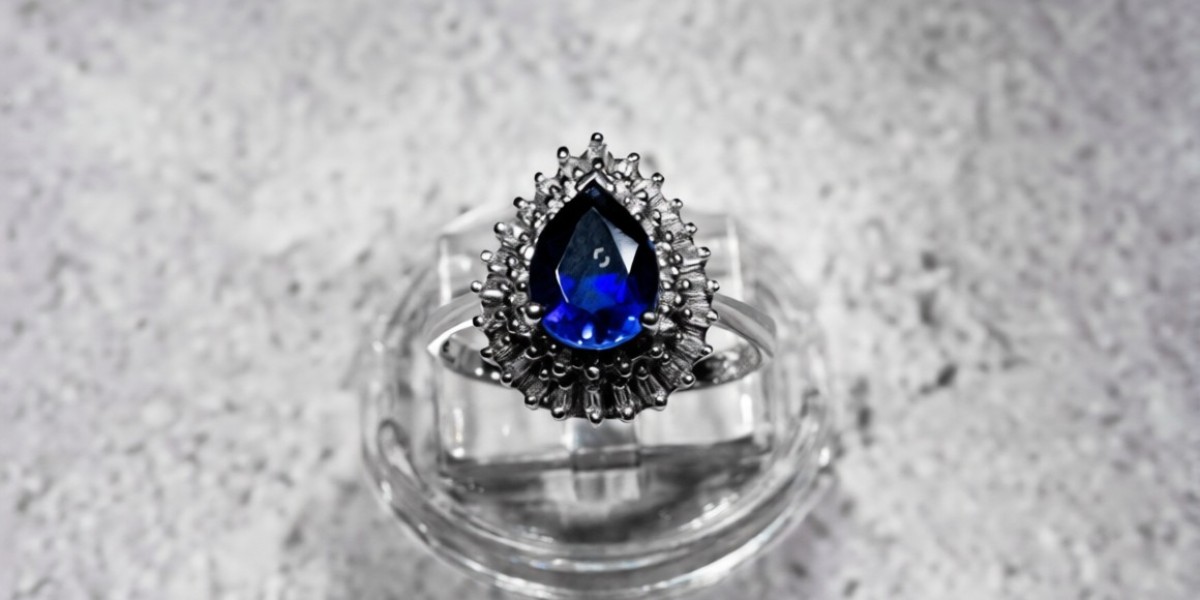

Choosing an engagement ring is an important decision because it represents love, commitment, and the beginning of a new chapter. While round and oval diamonds remain popular, many couples look for a shape that feels distinctive and elegant. Pear cut engagement rings offer a beautiful combination of soft curves and a pointed tip, creating a design that stands out without losing its classic appeal. Their graceful shape, versatile settings, and flattering appearance make them an attractive option for modern couples. Understanding their features can help you decide whether this diamond shape is right for your engagement ring.
What Makes Pear Cut Engagement Rings Unique?
A pear cut diamond, sometimes called a teardrop diamond, combines the rounded end of an oval shape with a pointed tip. This distinctive silhouette creates an elegant appearance that works with traditional and contemporary ring designs.
The shape can make a diamond appear longer than some other cuts of a similar carat weight. Depending on the diamond's proportions and how it is set, it may also create the impression of longer, slimmer fingers.
Another appealing feature is its versatility. Pear-shaped diamonds can be used in simple solitaire rings, detailed halo settings, vintage-inspired designs, and rings featuring additional side stones. This gives buyers plenty of ways to personalize their engagement rings.
Why Are Pear Cut Engagement Rings So Popular?
Several features contribute to the popularity of this diamond shape. From its distinctive appearance to its range of setting options, it offers a balance of elegance and individuality.
1. A Distinctive and Elegant Shape
One of the main reasons buyers choose pear-shaped diamonds is their recognizable silhouette. The rounded end provides a soft appearance, while the pointed tip adds definition and character.
This combination makes the shape different from traditional round diamonds without appearing overly unconventional. It can complement a range of personal styles, including minimalist, romantic, vintage, and modern designs.
For couples who want something recognizable but slightly different from the usual engagement ring styles, a pear-shaped diamond can be an appealing choice.
2. A Flattering Appearance on the Finger
The elongated shape of a pear diamond can create a visually lengthening effect on the finger. This makes it attractive to people who prefer a graceful, streamlined look.
The final appearance depends on the diamond's length-to-width ratio, setting, and orientation. A longer pear shape can look more slender, while a wider shape may appear fuller and more rounded.
Trying different proportions in person or comparing clear product images can help you find a design that suits your hand and personal preferences.
3. Versatile Design Options
Pear-shaped diamonds work with many different settings and ring styles. A solitaire setting keeps attention on the center stone, while a halo adds a border of smaller diamonds for extra sparkle.
Three-stone designs can feature pear-shaped side stones or combine a pear-shaped center diamond with other cuts. Vintage-inspired rings may include intricate metalwork, decorative details, or milgrain edges.
This flexibility makes it easier to select a ring that reflects your partner's taste without being limited to one particular jewelry style.
4. A Balance of Classic and Modern Style
Pear diamonds have a long history in jewelry design, yet their distinctive shape continues to suit contemporary engagement rings.
A simple yellow gold setting can create a warm, traditional appearance. White gold or platinum can produce a cooler, understated look, while rose gold offers a softer color contrast.
Because the shape works with different metals and settings, it can remain appealing even as personal fashion preferences change.
5. An Opportunity for Personal Expression
An engagement ring often reflects the personality and preferences of the person wearing it. Pear-shaped diamonds provide a recognizable alternative for buyers who want something beyond the traditional round brilliant.
You can personalize the ring through its orientation, metal color, band design, side stones, and setting details. Some people prefer the point facing toward the fingertip, while others choose a different arrangement for a distinctive appearance.
These choices allow the ring to feel personal while retaining the elegance associated with diamond engagement jewelry.
Which Setting Looks Best With a Pear-Shaped Diamond?
The setting affects the ring's appearance, comfort, and ability to protect the center stone. The best option depends on your preferred style and how frequently you plan to wear the ring.
Solitaire Setting
A solitaire setting features a single center diamond without a surrounding halo. It is a good choice for people who appreciate clean lines and want the pear shape to remain the main focus.
This style works well with yellow gold, white gold, platinum, and other suitable precious metals. The setting should securely support the pointed tip of the diamond.
Halo Setting
A halo setting surrounds the center diamond with smaller stones. This adds detail and can make the center stone appear larger from a distance.
Halo rings are suitable for buyers who enjoy extra sparkle and a more decorative design. However, the small stones and additional setting details may require more cleaning and maintenance.
Three-Stone Setting
A three-stone ring includes a center diamond and two accompanying stones. The side stones may be round, pear-shaped, or another complementary cut.
This style creates a more detailed appearance while allowing the center diamond to remain prominent. Buyers should consider the overall proportions to ensure the side stones balance the center shape.
Bezel Setting
A bezel setting uses a metal rim around the diamond's perimeter. It can offer additional protection to the stone's edges, including the pointed tip, depending on the design.
This setting often has a modern appearance and can be practical for people with active routines. However, the metal coverage changes how the diamond looks, so it is worth comparing different designs before making a decision.
How Do You Choose the Right Pear-Shaped Diamond?
Selecting a beautiful diamond involves more than choosing its shape. Consider these important factors before purchasing your engagement ring.
Understand the Length-to-Width Ratio
The length-to-width ratio describes how long a diamond appears compared with its width. A higher ratio generally creates a more elongated look, while a lower ratio produces a fuller appearance.
There is no single ideal ratio for every buyer. Compare different diamonds to find proportions that match your preferred style.
Check the Cut and Sparkle
Pear-shaped diamonds are classified as fancy shapes rather than standard round brilliant cuts. Their appearance depends on factors such as facet arrangement, symmetry, polish, and proportions.
Look for balanced light reflection and avoid stones with noticeable dark areas that remain visible as the diamond moves. Viewing the diamond under different lighting conditions can help you evaluate its appearance more accurately.
Review Color and Clarity
Diamond color and clarity can influence both appearance and price. Some buyers prefer higher grades, while others find that slightly lower grades provide an attractive balance between quality and affordability.
For pear-shaped diamonds, examine the pointed end and rounded edges carefully. Any visible inclusions or uneven coloring should be considered alongside the stone's overall appearance and grading report.
Choose a Suitable Carat Weight
Carat measures a diamond's weight, not its exact visual size. Because pear-shaped diamonds are elongated, they can sometimes look larger face-up than other shapes of the same carat weight.
Compare the diamond's actual measurements as well as its carat weight. This helps you understand how much space the stone will occupy on the finger.
Protect the Pointed Tip
The pointed end is one of the most distinctive features of a pear-shaped diamond, but it can also be vulnerable to damage if exposed or poorly protected.
A setting with a secure prong or protective design can help reduce the risk of chipping. Ask the jeweler how the tip is secured and whether the setting is suitable for regular wear.
Which Metal Is Best for a Pear Cut Engagement Ring?
The metal you choose can change the ring's overall appearance and influence its long-term care requirements.
Yellow gold: Offers a warm, classic look and creates a noticeable contrast with a colorless diamond.
White gold: Provides a bright, contemporary appearance that complements the diamond's sparkle.
Platinum: Is a durable precious metal often selected for fine jewelry and secure settings.
Rose gold: Creates a soft, warm tone that suits romantic and vintage-inspired designs.
Consider your existing jewelry, preferred color, lifestyle, and maintenance needs when choosing a metal. The setting should also be designed to support the diamond securely.
Are Pear-Shaped Engagement Rings Suitable for Everyday Wear?
Yes, a pear-shaped engagement ring can be worn every day when it has a secure setting and receives appropriate care. However, its pointed tip deserves particular attention because a direct impact can cause damage.
Remove the ring during activities that could expose it to strong impacts, heavy lifting, or harsh chemicals. Clean it according to the jeweler's instructions and arrange periodic professional inspections to check the prongs and setting.
A protective design, such as a well-made bezel or a setting with a securely protected tip, may be worth considering if you lead an active lifestyle.
Final Thoughts
Pear-shaped diamonds offer a distinctive combination of elegance, versatility, and visual appeal. Their teardrop silhouette works with numerous settings and metals, making them suitable for people who appreciate both classic jewelry and more individual designs.
When comparing pear cut engagement rings, focus on the diamond's proportions, sparkle, color, clarity, and setting security. Consider your budget and everyday routine as well, particularly when choosing how the pointed tip will be protected.
With careful selection, you can find an engagement ring that reflects your personal style and provides lasting enjoyment.
Frequently Asked Questions
Are pear-shaped diamonds a good choice for engagement rings?
Yes. Pear-shaped diamonds offer a distinctive silhouette, a graceful appearance, and a wide range of setting options. They can suit both traditional and modern engagement ring styles.
Do pear-shaped diamonds look bigger than round diamonds?
They can appear larger face-up than round diamonds of the same carat weight because of their elongated shape. However, the actual visual size depends on the diamond's measurements and proportions.
Which way should a pear-shaped engagement ring face?
Many people wear the pointed tip toward the fingertip because it creates an elongated appearance. Others prefer a different orientation based on personal taste and comfort.
Are pear-shaped diamonds more affordable than round diamonds?
They are often less expensive than comparable round brilliant diamonds, although prices vary according to quality, carat weight, and market conditions. Comparing individual stones is the best way to evaluate value.
How can I protect the tip of a pear-shaped diamond?
Choose a well-designed setting that securely protects the point, avoid activities that could cause impacts, and have the ring inspected regularly by a qualified jeweler.