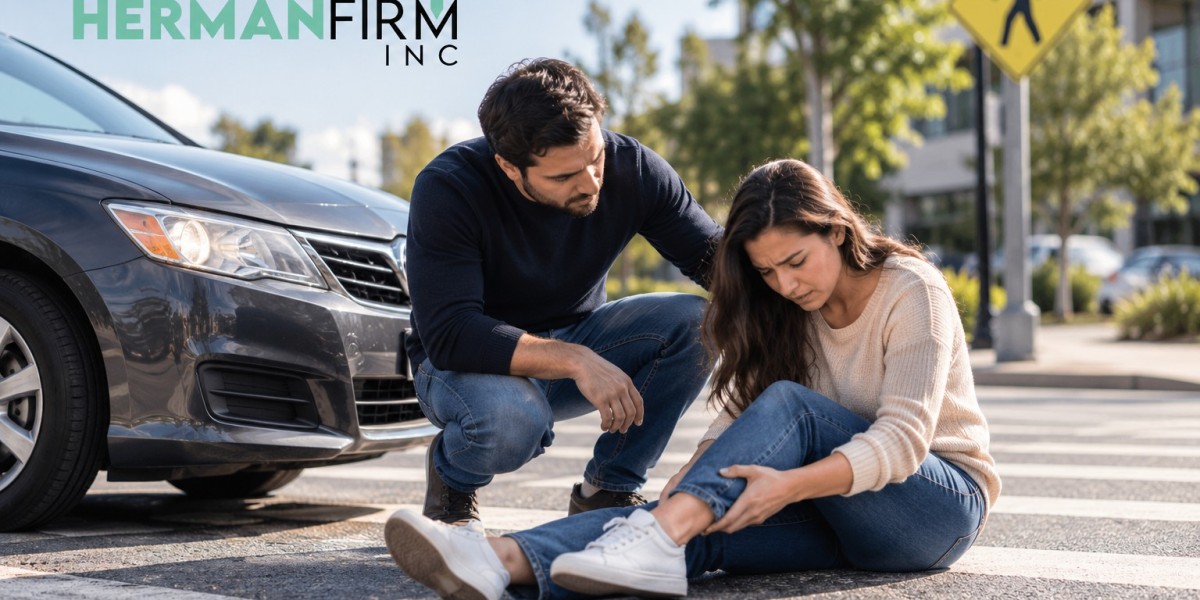

Being hit by a car can leave a pedestrian dealing with painful injuries, unexpected medical bills, lost income, and uncertainty about what to do next. Even when a driver claims the pedestrian was at fault, the injured person may still have the right to pursue compensation under California law.
Yes, a pedestrian can sue after being hit by a car in California if the driver or another responsible party caused or contributed to the accident. The right to file a claim depends on the circumstances, available evidence, the extent of the injuries, and applicable legal deadlines.
Understanding your options early can help you protect your rights and avoid mistakes when dealing with insurance companies. Whether you were hit in a crosswalk, at an intersection, in a parking lot, or while walking along a road, knowing how California pedestrian accident laws work can make a meaningful difference.
A pedestrian accident lawyer can help evaluate your situation, determine who may be responsible, and pursue compensation for your losses. Here is what injured pedestrians should know about bringing a claim in California.
When Can a Pedestrian Sue After a Car Accident in California?
A pedestrian may have grounds to sue when another person's negligence causes an accident and resulting injuries. Negligence generally means failing to exercise reasonable care under the circumstances.
Drivers have a responsibility to watch for pedestrians, obey traffic laws, and take reasonable steps to prevent collisions. A driver may be considered negligent if they cause an accident by speeding, running a red light, driving while distracted, failing to yield, or backing up without checking for people nearby.
For example, imagine a driver turns right at a Walnut Creek intersection without checking the crosswalk and strikes someone crossing legally. If the pedestrian suffers a broken leg, the injured person may be able to pursue a claim against the driver for medical expenses, lost wages, pain, and other legally recoverable damages.
However, not every pedestrian accident automatically results in a successful lawsuit. The injured person generally needs evidence connecting another party's negligence to the accident and their injuries.
Potentially responsible parties may include:
The driver who struck the pedestrian.
An employer, if the driver was acting within the scope of employment.
A vehicle owner who may be legally responsible under applicable law.
A government entity, if a dangerous public roadway condition contributed to the collision and the legal requirements for liability are met.
Identifying the correct party matters because different defendants may have different insurance coverage and legal responsibilities. A careful review of the accident can help establish whether a claim is appropriate and what steps to take next.
What If the Pedestrian Was Partly at Fault?
One common concern after a pedestrian accident is whether the injured person can still recover compensation if they made a mistake.
California follows a system called pure comparative negligence. Under this rule, an injured person may recover damages even if they were partly responsible for the accident. However, their compensation is reduced by their percentage of fault.
For example, suppose a pedestrian suffers $100,000 in damages after being hit by a vehicle. If a court determines that the pedestrian was 20% responsible and the driver was 80% responsible, the pedestrian's potential recovery would be reduced to $80,000.
Shared fault can arise in several situations. A pedestrian might cross outside a marked crosswalk, enter the roadway without checking for traffic, or cross against a signal. A driver might also have been speeding, distracted, or failed to take reasonable steps to avoid the collision.
The important point is that a pedestrian's mistake does not necessarily eliminate the driver's responsibility.
Insurance companies may argue that an injured pedestrian caused the accident to reduce the amount they must pay. Their assessment, however, is not the final word on liability. Evidence such as traffic camera footage, witness statements, photographs, vehicle damage, and accident reports may help clarify what happened.
A pedestrian accident lawyer Walnut Creek residents can consult may review the evidence, challenge an unfair allocation of fault, and explain how comparative negligence could affect the value of a claim.
What Compensation Can an Injured Pedestrian Recover?
Pedestrian accidents can cause serious injuries because people on foot have little protection against a moving vehicle. Depending on the collision, injuries may include fractures, head trauma, spinal injuries, internal bleeding, nerve damage, and lasting mobility problems.
If another party is legally responsible, an injured pedestrian may be entitled to compensation for several types of losses.
Medical expenses: These may include emergency treatment, hospital stays, surgery, medication, rehabilitation, physical therapy, and reasonably supported future medical care.
Lost income: If injuries prevent you from working, you may seek compensation for wages lost during recovery. A claim may also include reduced future earning capacity when the injuries affect your ability to earn a living.
Pain and suffering: Compensation may be available for physical pain, emotional distress, inconvenience, and the effect of the injuries on everyday activities.
Other financial losses: Depending on the circumstances, recoverable damages may include transportation to medical appointments, necessary home modifications, and other reasonable expenses caused by the accident.
There is no single amount that applies to every pedestrian accident claim. The value depends on the severity of the injuries, medical evidence, recovery outlook, lost earnings, liability disputes, and available insurance coverage.
Keep copies of medical bills, receipts, pay records, and correspondence with insurers. Follow your treatment plan and make sure your healthcare providers understand all symptoms related to the collision.
It is also wise to be cautious about accepting an early settlement. An offer made before the full extent of an injury becomes clear may not adequately account for future treatment or lasting limitations. Once a settlement is finalized, you generally cannot return later to request additional compensation for the same claim.
How Long Do You Have to File a Pedestrian Accident Lawsuit in California?
California generally gives injured people two years from the date of injury to file a personal injury lawsuit. This deadline is established by California Code of Civil Procedure Section 335.1.
Missing the applicable deadline can prevent you from recovering compensation through a lawsuit, even if the evidence strongly supports your claim. There may be exceptions, so it is important not to assume that every case follows the same timeline.
Claims involving government entities have different requirements. For example, if a dangerous condition of public property or the conduct of a public employee contributed to the accident, a claim for money damages against a government entity generally must be presented within six months of the injury under California's Government Claims Act, subject to applicable exceptions and procedures.
Additional rules may apply when the injured person is a minor or when certain facts were not reasonably discoverable at the time of the accident.
Taking action promptly can help preserve important evidence. Traffic camera recordings may be erased, witnesses may become harder to locate, and physical evidence can disappear. Early investigation can make it easier to establish how the collision occurred.
If you are unsure which deadline applies, consult a qualified attorney as soon as possible. Do not rely on settlement negotiations or an insurer's investigation to protect your right to file a lawsuit.
What Should You Do After Being Hit by a Car?
The steps you take after a pedestrian accident can help protect your health and strengthen a potential legal claim.
1. Get medical attention. Call emergency services when necessary and seek medical evaluation even if your injuries initially seem minor. Some conditions, including head injuries and internal injuries, may not produce obvious symptoms immediately.
2. Report the accident. Contact law enforcement when appropriate and provide accurate information about what happened. Request information about obtaining the incident report.
3. Gather evidence. If you can do so safely, photograph the scene, traffic signals, crosswalks, vehicle damage, and visible injuries. Collect the driver's contact and insurance details and the names of witnesses.
4. Keep records. Save medical bills, prescriptions, treatment records, employment documents, and receipts for accident-related expenses. Maintain a simple record of pain, physical limitations, and how the injury affects your daily routine.
5. Be careful when speaking with insurers. Report the accident as required, but avoid guessing about fault or making unsupported statements. Do not sign a release or accept a final settlement before understanding the potential consequences.
6. Consider legal guidance. A pedestrian accident lawyer can investigate liability, communicate with insurance companies, calculate damages, and negotiate a settlement. If a fair agreement cannot be reached, the lawyer can explain whether filing a lawsuit is appropriate.
Handling a claim independently may be reasonable in a minor case with clear liability and limited injuries. However, serious injuries, disputed fault, multiple responsible parties, or long-term medical needs can make professional legal assistance particularly valuable.
An experienced attorney can help you make informed decisions rather than relying solely on an insurance company's assessment of your claim.
Conclusion: Protect Your Rights After a Pedestrian Accident
Yes, you can sue after being hit by a car in California when another party's negligence caused or contributed to your injuries. Even if you were partly at fault, California's comparative negligence rules may allow you to recover reduced compensation.
The most important steps are to seek medical care, preserve evidence, document your losses, and understand the deadline that applies to your case. Avoid rushing into a settlement before you know the likely impact of your injuries and future treatment needs.
If you were injured while walking in Walnut Creek or elsewhere in California, The Herman Firm can help you understand your legal options and the process for pursuing compensation. Speaking with a pedestrian accident lawyer Walnut Creek residents can turn to for guidance may help you identify responsible parties and determine the next steps for your claim.
Contact The Herman Firm to discuss your pedestrian accident and learn whether you may have grounds for a personal injury claim.
Frequently Asked Questions
1. Can I sue if I was hit by a car while crossing outside a crosswalk?
Yes, potentially. Crossing outside a crosswalk may affect how fault is assigned, but it does not automatically prevent you from recovering compensation. The driver's conduct, road conditions, visibility, and other circumstances will be relevant to determining liability.
2. Can I sue if the driver says the accident was my fault?
Yes. A driver's statement does not determine legal responsibility. Evidence such as witness accounts, photographs, traffic camera footage, and the accident report may help establish what happened. California's comparative negligence system may allow recovery even when responsibility is shared.
3. How much is a pedestrian accident claim worth in California?
There is no standard settlement amount. Compensation depends on the injuries, medical expenses, lost income, pain and suffering, future care needs, available insurance, and the parties' respective fault. A reliable estimate requires reviewing the specific facts and supporting evidence.
4. What if the driver who hit me does not have insurance?
You may still have options. Depending on the circumstances, compensation may be available through your own uninsured motorist coverage, if applicable, or another responsible party's insurance. You may also be able to pursue the at-fault driver personally, although collecting a judgment can be difficult if the driver has limited assets.
5. How long do I have to sue after a pedestrian accident in California?
The general deadline for a personal injury lawsuit is two years from the date of injury. Claims against government entities can have much shorter administrative deadlines, often six months to present a claim. Exceptions may apply, so seek legal advice promptly.