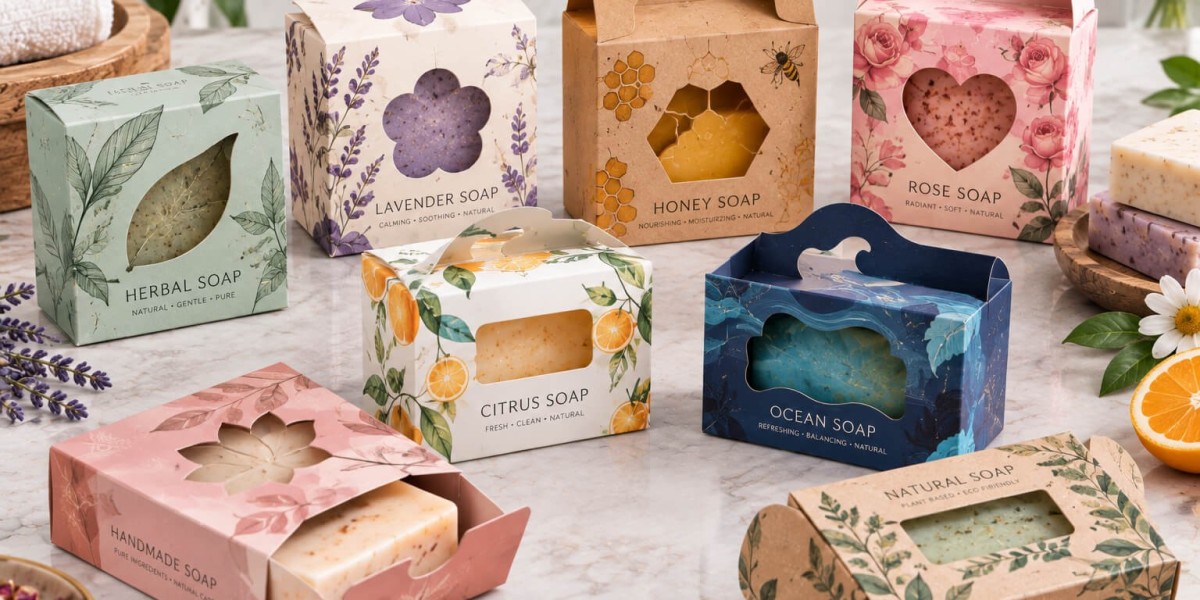

A cut-out lets a buyer see the swirl and smell the scent, but every opening removes some of the board that holds the carton together. Thin edges can bend, corners can tear and the bar can catch on a rough cut. Planning soap die-cut boxes around how the opening affects strength, not just looks, keeps the carton firm and the soap undamaged. These checks suit makers who sell at fairs, online and through small shops.
Test the Carton Before You Test the Cut
Start by judging how strong the plain box is. Fill a sample with a real bar, press the sides and hold it by one end. A carton that bows before any opening is cut will only get weaker after it.
Note the board type and thickness, then ask your supplier how much the chosen opening will reduce stiffness.
Match the Opening to the Bar
A round opening suits a round bar, while a long slot suits a rectangular one. Trace a few shapes on paper, cut them out and place them over a real bar. Check how much of the swirl or topping shows and how much board is left around the edge.
Keep corners softly rounded. Sharp inner corners are where board tears first.
Check the Cut Edge Against the Soap
A rough cut edge can drag across the surface of a bar. Slide your largest and smallest bars in and out a dozen times, then look for scratches, dragged colour or crumbs of soap.
If marks appear, ask about a smoother cut, a slightly larger opening or a thin film behind the window.
Think About Scent, Light and Dust
An open cut-out lets fragrance escape and invites dust and fingerprints. A film window keeps the bar clean but holds scent inside the carton.
Leave one sample on a shelf for a week and keep another in a drawer. Compare the bars for fading, dust and smell, then choose the version that suits how you sell.
Print Around the Opening
Keep the scent name and weight clear of the cut and the folds. Read the smallest wording from arm’s length on a printed sample, then rub the surface with a dry cloth, then a slightly damp one. Rules for ingredient lists, weight statements and label claims differ by region, so check the current requirements for each market you sell in. This is general information, not legal advice.
Four Details to Confirm Before You Request a Quote
Have these ready so quotes match your real bars:
- The length, width and thickness of your largest and smallest cured bars
- The opening shape, size and position you want, with or without film
- The board type and number of print colours
- Your first order quantity and expected reorder schedule
Working With a Printer That Cuts a Test Opening Around Your Bar
An opening is easiest to judge with your own soap behind it. At The Custom Printers, you send in your bars, request samples and check how the cut, the edge and the board behave across your natural size range. You review the results before anything goes into production, so changes stay quick and inexpensive. That sample-led routine makes it simpler to settle on Soap Die-Cut Boxes that look open and stay strong.
A good cut-out shows the bar without costing the carton its strength. Test the plain box first, check the edge and keep photos of every sample round. When you are ready to compare options, The Custom Printers can help you work through the details with your own bars in hand.
Concealer Packaging: Smart Box Ideas for a Product Shoppers Compare Closely
Concealer is a product people choose with care. Shade, coverage, and finish all matter, so buyers often pick up several options before deciding. In that moment, concealer packaging helps your product earn trust quickly by showing quality, clear shade information, and a brand style that feels dependable.
The product itself is small but delicate. Wands can leak, tubes can dent, and pots can crack under pressure. A thoughtful outer box guards against these issues while keeping the design clean. A few well-informed decisions will help you create a box that sells on the shelf and arrives intact at the door.
- Shade visibility: Clear labels help buyers find their match fast.
- Compact protection: Snug fits stop wands and tubes from moving.
- Slim profile: Small boxes save shelf space and shipping cost.
- Trust signals: Neat layouts suggest a carefully made formula.
These points work best when the design team and the box maker plan them together.
Why Shade Information Needs Space
Most concealer purchases come down to color. If shoppers cannot spot the shade quickly, they may leave the product behind. Reserve a prominent area for the shade name and number, and consider a small color swatch printed or applied on the front.
Keep the type large and high in contrast. Undertone notes such as warm, cool, or neutral reduce guesswork and can lower returns. A consistent layout across your whole range lets customers scan shelves with ease.
Picking a Structure for Slim Products
Concealer comes in wands, squeeze tubes, sticks, and small jars, and each shape suits a different carton. Tuck-end boxes fit tall wands neatly, while shallow trays hold pots and palettes. Hang-tab cartons let stores display products on pegs without taking up counter space.
Add a thin paperboard insert if the item can rattle. A tiny gap may seem harmless, but friction during shipping can scuff finishes and loosen caps.
Materials and Finishes That Fit Beauty Standards
Smooth coated paperboard prints fine type clearly, which is vital for ingredient lists. Soft-touch lamination adds a gentle feel that suits skin-care-focused brands, and a small foil detail on the logo gives a refined accent.
Keep finishes restrained. One tasteful effect usually looks more premium than several competing ones. Always order a sample so you can judge color accuracy, since skin-tone imagery and swatches need careful matching.
Planning for Retail and Online Sales
Retail shelves reward bold fronts and clean branding, while online orders demand strong protection. Many brands use the same inner box for both channels and add a sturdy outer shipper for parcels.
Think about reorders for your concealer packaging as well. Concealer ranges grow over time, so design a flexible system where only the shade label changes. This saves tooling costs and keeps your line looking unified.
Working With a Capable Manufacturer
Prepare product dimensions, artwork, and quantity before requesting quotes. Ask about proofs, lead times, and minimums so your launch stays on track.
The Custom Printers supports beauty brands across the USA with made-to-measure boxes, careful proofing, and clear pricing. Share your product details, and the team can suggest options that balance appearance, protection, and budget.
A small product still deserves a thoughtful presentation. Clear shade details, a secure fit, and refined printing tell customers your formula was made with care. Plan the structure early, test samples, and keep the layout simple, and your concealer packaging can strengthen both shelf appeal and customer loyalty. Consider a partner such as The Custom Printers to bring your next shade range to market with confidence.