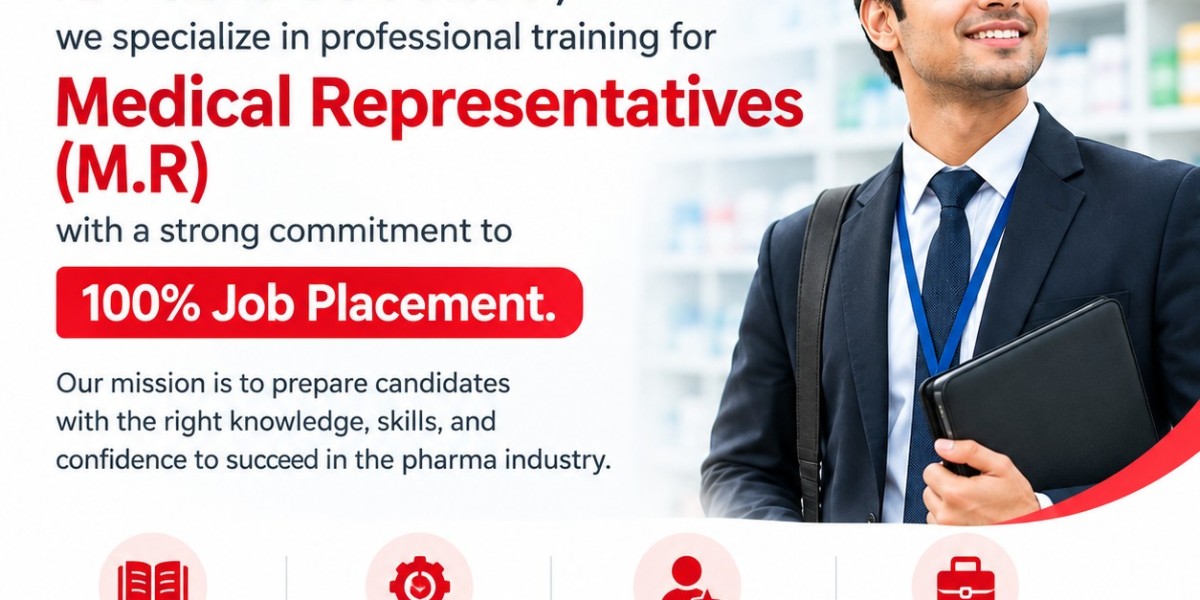

Getting your first job as a Medical Representative can feel exciting—and a little challenging. You may have studied pharmacy, science or another subject, but working in the pharmaceutical field brings a different kind of learning. You meet healthcare professionals, explain product information, plan visits and learn how to manage your work in the field.
A Medical Representative Job is not only about selling products. It also requires accurate product knowledge, clear communication, professional behaviour and consistent preparation. Freshers are not expected to know everything from the beginning, but they should be ready to learn and improve.
If you are preparing for a Medical Representative Job MR Job, these are some essential skills worth developing before your first day and throughout your early career.
1. Build a Strong Foundation in Product Knowledge
Product knowledge is one of the first areas a new MR needs to work on. You may be asked to explain a medicine’s composition, dosage form, approved use or important precautions. The information you share must be accurate and consistent with the material authorised by your company.
Start by learning the products assigned to you. Make notes in your own words, but always check them against official product information. Avoid memorising claims without understanding what they mean.
A practical way to study is to prepare a short product summary:
Product name and composition
Approved indications and relevant product details
Dosage form and other key information
Important precautions or safety points
Questions you need to clarify with your manager or product team
Do not guess when you are unsure. It is more professional to say that you will confirm the information than to provide an incorrect answer. A good representative knows the limits of their knowledge and follows the proper process to verify details.
2. Practise Clear, Confident Communication
Communication is a daily part of an MR’s work. You may introduce yourself to a doctor, explain product information, respond to a question or speak with a pharmacist. The aim is to communicate clearly and respectfully—not to use complicated language.
Freshers can improve by practising a short introduction and a simple product presentation. Speak at a comfortable pace, organise your points and avoid rushing through the explanation.
Listening is just as important as speaking. Pay attention to the questions being asked and respond to the point. If a healthcare professional is busy, respect their time and follow the company’s guidance on appropriate visits.
You can practise these skills with a friend, trainer or colleague. Ask them whether your explanation was easy to understand and which parts could be shorter or clearer.
3. Learn Professional Behaviour in the Field
An MR meets healthcare professionals in a professional setting, so punctuality, politeness and respect matter. A good first impression comes from being prepared, appropriately dressed and mindful of the other person’s schedule.
Before a visit, check the purpose of the meeting and prepare the approved material you need. Introduce yourself briefly, ask whether it is a suitable time and keep the conversation focused.
Professional behaviour also means accepting that not every visit will go as planned. A doctor may be unavailable, a discussion may be brief or you may need to return another day. Handle these situations calmly and follow your company’s procedures.
Building professional relationships takes time. Consistency and respectful conduct are more useful than trying to force a conversation.
4. Develop Planning and Time-Management Skills
Field work often involves several visits, travel and reporting during the same day. Without a plan, it can become difficult to manage your time.
At the start of the day, review your assigned area, scheduled visits and priorities. Keep a record of the tasks that need follow-up. Allow realistic time for travel and unexpected delays.
A simple daily plan can include:
The healthcare professionals or pharmacies you are scheduled to visit
The purpose of each visit
The approved material you need to carry
Any follow-up tasks from earlier meetings
The reports or updates due at the end of the day
Your company may use a specific reporting system or app. Learn it carefully and ask for guidance if you are unsure how to record information. Accurate records help you stay organised and communicate clearly with your manager.
5. Understand Ethical and Responsible Promotion
The pharmaceutical industry requires responsible communication. A representative should promote products only in accordance with company policies, applicable regulations and authorised product information.
Never make unsupported claims, promise a particular result or provide information outside your role. Do not hide relevant safety information or present personal opinions as established facts.
If a healthcare professional asks a question that you cannot answer, take it back to the appropriate company contact and follow the approved process. Being careful with information helps protect patients, healthcare professionals and your own credibility.
Ethical conduct is not a separate skill from sales. It is part of doing the job properly.
6. Improve Your Presentation and Sales Skills
A product presentation should be organised and relevant. It is not necessary to speak for a long time to make a useful presentation. Learn how to identify the main points, explain them accurately and respond to questions.
Sales skills in an MR role may include understanding company targets, planning visits, communicating product information and maintaining professional contacts. The exact responsibilities vary by employer and territory.
Freshers should focus on learning the process rather than expecting immediate results. Ask your manager for feedback after presentations and use that feedback to improve your next visit.
You can practise by presenting a product summary aloud, keeping it brief and checking that each statement is supported by approved information.
7. Become Comfortable with Travel and Field Challenges
Many MR positions involve travelling within an assigned territory. Before accepting a role, understand the expected travel, working schedule, territory size and any requirements related to transport.
Field work can include delays, changing schedules and days when you have fewer opportunities to speak with healthcare professionals. Being adaptable helps you manage these situations.
Plan your route sensibly, keep essential materials organised and communicate with your manager if a genuine issue affects your schedule. Do not take a difficult visit personally; reflect on what you can learn and prepare for the next one.
8. Use Feedback to Keep Improving
Your first few weeks are a learning period. You may need to improve your product explanation, visit planning, reporting or confidence. Ask specific questions rather than waiting until a problem becomes serious.
For example:
Was my product presentation clear and accurate?
Did I manage my visit time appropriately?
Is there a better way to organise my daily route?
Which product details should I revise?
What should I practise before my next field visit?
Write down useful feedback and work on one or two areas at a time. Small improvements made consistently can help you become more confident and organised.
9. How a Medical Representative Training Course Can Help
A medical representative training course may be useful for freshers who want to understand the role before applying or joining a company. Depending on the course, it may offer practice in product presentations, communication, interview preparation, field planning and pharmaceutical industry basics.
When choosing a course, look at the actual curriculum and training method. Ask whether it includes role-play, mock interviews or practical exercises. Check the trainer’s experience and understand what placement support, if any, is being offered.
Training can help you practise and prepare, but it does not replace the employer’s own product training. It also cannot guarantee employment. Your education, performance in interviews and the requirements of the vacancy will still matter.
If you have already enrolled in a course, use it actively: practise presentations, ask questions and make notes of the skills you want to strengthen.
10. Prepare for Your First MR Job Interview
Before applying for a Medical Representative Job, prepare a short introduction that explains your education, interest in the pharmaceutical industry and willingness to learn.
You may be asked why you want to become an MR, whether you are comfortable with field work, how you would explain a product or what you would do if you did not know the answer to a question.
Practise answering honestly and clearly. If you have completed a medical representative training course, explain what you learned and how it helped you prepare. Avoid claiming field experience or product expertise that you do not yet have.
Read the job description carefully, check the eligibility criteria and prepare a few questions about the role, territory, training and performance expectations.
Conclusion
Starting your first Medical Representative Job MR Job is a process of learning. Product knowledge, clear communication, professional behaviour, time management and responsible promotion form the foundation of the role.
Freshers can begin developing these skills through practice, feedback and a willingness to learn. A suitable medical representative training course may provide useful preparation, while company training and field experience will help you understand the work in greater depth.
You do not need to be perfect on your first day. Be prepared, ask questions when you need help and focus on becoming more accurate, confident and professional with every experience.