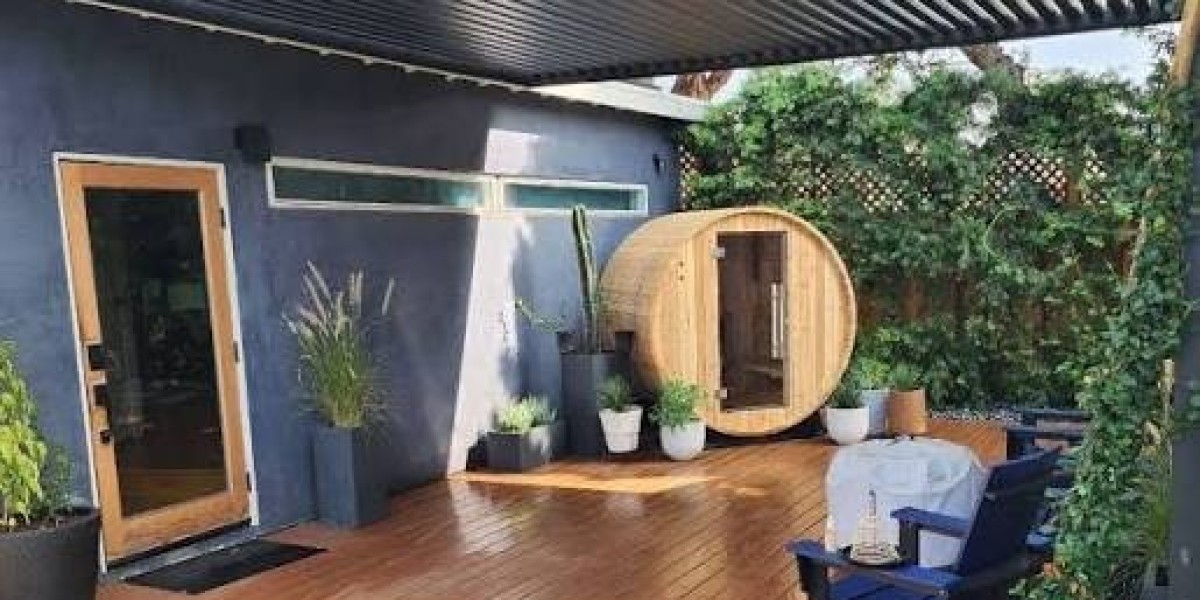

How Can You Choose the Best Location for an Outdoor Sauna?
Choosing the right location for an outdoor sauna requires careful planning because the position affects comfort, privacy, accessibility, and long-term maintenance. When considering where to place your outdoor sauna, begin by examining your backyard's available space, ground conditions, existing structures, and landscaping features. Some homeowners prefer a peaceful corner surrounded by greenery, while others want their sauna close to the house for convenient access during colder months. The best location should provide enough room for installation, allow safe movement around the structure, and complement the appearance of your property. Thinking about these factors before purchasing a sauna can help you avoid unnecessary changes and create a relaxing outdoor environment that suits your lifestyle.
Why Should You Consider Convenience Before Installing Your Sauna?
Convenience plays an important role in making an outdoor sauna practical for everyday use. If you are deciding where to place your outdoor sauna, consider how easily you can reach it from your house, patio, or outdoor seating area. A nearby location makes it easier to carry towels, water, cleaning supplies, and other essentials without crossing the entire backyard. This can be especially useful during rainy, windy, or cold weather when a long outdoor walk may feel uncomfortable. However, choosing a convenient location does not mean ignoring privacy, drainage, ventilation, or local building regulations. The ideal position balances easy access with enough separation from busy household areas, creating a comfortable space that encourages regular use throughout the year.
How Can Your Backyard Layout Affect Sauna Placement?
Every backyard has a different layout, so the most suitable sauna location depends on the dimensions and features of your property. Examine the position of fences, sheds, trees, patios, garden beds, pathways, and outdoor furniture before deciding where the structure should stand. An unused corner may provide enough room for a sauna without reducing the space available for gardening or family activities. Nevertheless, measure the area carefully and remember that the sauna requires more than the dimensions of its exterior walls. You may also need clearance for the entrance, installation work, ventilation, and future maintenance. Planning the entire layout in advance helps prevent overcrowding and allows the sauna to become a natural part of your outdoor living space.
What Makes Privacy an Important Part of Sauna Placement?
Privacy can make your outdoor sauna feel more peaceful and comfortable, particularly if neighbouring houses overlook your backyard. Before selecting a position, consider the views from nearby windows, patios, roads, and shared property boundaries. A suitable fence, decorative screen, or carefully planned landscaping may provide additional separation without making the area feel closed off. Trees and shrubs can also improve the appearance of the setting, but they should not obstruct ventilation openings, entrances, or maintenance access. Think about how the sauna will look from inside your house as well as from neighbouring properties. A thoughtful layout creates a secluded atmosphere while keeping the structure accessible, visually appealing, and compliant with relevant property requirements.
How Much Sunlight and Shade Does an Outdoor Sauna Need?
Sunlight and shade can influence the comfort of the surrounding area and the amount of maintenance required for the exterior. A sunny location may help certain outdoor surfaces dry after rainfall, while partial shade can make nearby seating more comfortable during warmer months. Observe how sunlight moves across your garden throughout the day before choosing a permanent location. Consider seasonal differences as well, because a spot shaded by trees during summer may receive much more sunlight in winter. Strong sunlight can affect some exterior finishes over time, while consistently damp shade may contribute to moisture-related maintenance concerns. Select a balanced position that suits your climate, the sauna's construction materials, and the way you want to use your outdoor space.
Why Is a Strong and Level Foundation Essential?
A stable foundation supports the sauna's weight and helps the structure remain level during regular use. Depending on the sauna design, soil conditions, and manufacturer's instructions, the installation may require a prepared gravel base, concrete pad, suitable paving system, or another approved foundation. Soft soil and areas that become muddy after rain may need additional preparation before they can support the structure reliably. Check the ground for slopes, loose material, and signs of movement before beginning installation. A qualified installer can help determine which foundation is appropriate for your particular site. Taking the time to prepare the base properly can reduce the risk of uneven settling and make the sauna more dependable over the long term.
How Can Proper Drainage Protect Your Sauna Investment?
Drainage is an important factor because water that collects around the sauna may create muddy conditions, affect surrounding landscaping, and contribute to problems with certain foundation materials. Walk through your garden after heavy rainfall to identify low areas where water gathers or remains for extended periods. Ideally, the selected location should allow rainwater to move away from the sauna and its foundation without flowing toward the house or neighbouring property. If the garden has heavy clay soil, a steep slope, or recurring flooding, professional drainage advice may be necessary before installation. Proper drainage also helps keep access paths more usable during wet weather. Addressing these concerns early can reduce maintenance difficulties and protect the surrounding outdoor area.
Where Should the Walking Path to Your Sauna Be Located?
A safe walking path makes it easier to reach the sauna during different weather conditions and helps prevent trips and slips around the property. Plan the route between your house, the sauna entrance, and any outdoor seating or cooling area before confirming the installation site. Choose outdoor surfaces that suit the climate and provide appropriate grip when wet. Keep the route clear of garden hoses, tools, loose stones, and other obstacles that could create hazards. Lighting may be useful if you expect to use the sauna after sunset, particularly along steps or uneven sections of the garden. A well-planned path should be convenient, easy to maintain, and positioned so that it does not interfere with drainage or other outdoor activities.
What Electrical Access Should You Plan Before Installation?
Some outdoor saunas require electricity for heating systems, lighting, temperature controls, or additional equipment. Before settling on a location, review the electrical specifications for your sauna and determine whether a suitable supply can be installed safely. The distance from your house, existing electrical infrastructure, and the conditions around the proposed site may affect installation requirements and costs. Outdoor electrical work should be completed by a qualified professional using appropriate equipment and following applicable local codes. Avoid improvised wiring or exposed cables as a permanent solution. Confirming the electrical arrangements before preparing the foundation can prevent expensive changes later and ensure that the selected location supports the sauna's intended operation.
Should Your Outdoor Sauna Be Close to a Water Source?
Not every outdoor sauna needs a permanent plumbing connection, but access to water can be helpful for cleaning, filling suitable buckets, or supporting an outdoor shower. Think about how water will reach the area and where it will drain if your design includes washing facilities. Poorly planned plumbing can leave standing water around the foundation or create slippery conditions along the walking route. If you intend to add a shower, sink, or other water feature, check the relevant plumbing and drainage requirements before construction begins. Even when permanent plumbing is unnecessary, choosing an accessible location can make it easier to carry cleaning supplies and maintain the surrounding area. Practical planning helps keep the sauna space functional without introducing avoidable moisture problems.
How Far Should Your Sauna Be From Nearby Trees?
Trees can provide shade, greenery, and privacy, but their position should be assessed before installing an outdoor sauna. Overhanging branches may drop leaves, seeds, sap, and small twigs onto the roof, increasing cleaning requirements and potentially affecting roof drainage. Large trees may also have root systems that interfere with some foundation types, while damaged branches can create hazards during storms. Consider the tree's mature size, health, and distance from the proposed installation area rather than looking only at its current appearance. Nearby trees do not always need to be removed, but sufficient clearance and safe access are important. Follow the sauna manufacturer's recommendations and seek professional advice if large trees or substantial roots are close to the intended site.
Which Local Regulations Should You Check Before Building?
Local rules can affect where an outdoor sauna may legally be installed and how the structure must be constructed. Depending on your location, requirements may relate to the sauna's size, foundation, heating equipment, electrical installation, property boundaries, and distance from other buildings. Some municipalities require permits or minimum setbacks, while homeowners associations may have additional restrictions regarding exterior structures and their appearance. Contact the appropriate local authority before purchasing materials or starting groundwork. Do not assume that a small sauna is automatically exempt from building requirements. Reviewing the rules early can help you choose a suitable location, avoid unnecessary delays, and prevent the cost of relocating a structure that does not meet the applicable requirements.
How Can You Respect Neighbours When Positioning a Sauna?
The placement of an outdoor sauna should support your privacy while also respecting the comfort of nearby residents. Consider the location of neighbouring windows, bedrooms, patios, and shared outdoor areas, especially if the sauna will include exterior lighting or additional equipment. Positioning the entrance thoughtfully and using appropriate screening may help reduce unwanted visibility. However, fences and plants must not obstruct required ventilation or violate local property restrictions. Think about how your sauna may affect nearby homes during evening use and ensure that any equipment is installed according to relevant noise and safety requirements. When a proposed location is close to a shared boundary, checking local regulations and discussing plans with neighbours can help prevent misunderstandings.
Why Does Ventilation Matter When Selecting the Site?
Proper ventilation is essential to the design and operation of many sauna systems, so the selected location must allow required openings to remain unobstructed. Avoid placing the structure so tightly against fences, walls, sheds, or dense vegetation that airflow or maintenance becomes difficult. Ventilation arrangements vary according to sauna type, heater design, and manufacturer specifications, so follow the instructions provided for your particular model. The site should also offer enough access to inspect and maintain relevant components when needed. Do not add screening or landscaping without considering its effect on the ventilation system. Planning these details before installation supports the intended sauna environment and helps ensure that the finished structure can be used and maintained according to its design requirements.
How Much Space Should You Leave for Future Maintenance?
Maintenance access should be considered before the sauna is installed rather than after problems appear. You may need room to clean exterior surfaces, inspect the roof, access service panels, check ventilation openings, and examine the foundation. Leave the clearances recommended by the manufacturer so routine tasks can be completed without moving fences, removing plants, or dismantling nearby structures. Think about seasonal maintenance as well, including clearing leaves, checking drainage, and managing vegetation around the base. A location that looks compact and attractive at first may become frustrating if there is no room to work around it. Planning sufficient access helps protect the structure, simplifies upkeep, and allows repairs to be carried out more efficiently when necessary.
Can Wind Exposure Affect Your Outdoor Sauna Experience?
Wind conditions can influence comfort around the sauna, particularly when stepping outside during colder weather or relaxing after a session. An exposed section of the garden may feel unpleasant when strong winds pass through, while a naturally sheltered location can make nearby seating more enjoyable. Existing buildings, fences, and suitable landscaping may provide some protection, but they must not block ventilation or create unsafe clearances. Observe the usual wind direction and consider how storms affect your property throughout the year. You should also think about loose furniture, garden decorations, and other objects that may move in strong winds. Choose a position that balances reasonable shelter with appropriate airflow, safe access, and the weather-resistance requirements of your sauna.
How Can the Surrounding View Improve Your Sauna Setting?
The view surrounding your sauna can contribute to the atmosphere and make the space feel more connected to the outdoors. You may prefer to face a landscaped garden, a green lawn, mature trees, or a quiet seating area rather than a driveway or storage space. Consider the view from the entrance as well as what may be visible through any windows. If privacy is important, check whether nearby homes or public pathways overlook the chosen position. Landscaping can improve the setting, but it should be planned so that plants do not block access or require excessive maintenance. A carefully selected view can make the sauna area feel intentional and inviting while preserving the practical features needed for safe installation and everyday use.
Where Should You Place Outdoor Seating Near the Sauna?
An outdoor seating area can make the space more useful by providing somewhere to rest and relax before or after a sauna session. A weather-resistant bench or a few comfortable chairs may be placed nearby, provided they do not obstruct the entrance, walking path, ventilation, or maintenance access. Consider the amount of sunlight and shade the seating area receives and whether the ground remains stable during wet weather. If you plan to add an outdoor shower or another cooling feature, include its water supply, drainage, privacy, and safety needs in the overall layout. Coordinating the sauna and seating area can create a comfortable outdoor retreat without overcrowding the garden or making routine movement difficult.
Which Outdoor Materials Are Suitable for Your Local Climate?
The materials used around an outdoor sauna should be suitable for the weather conditions in your area. Rain, sunlight, temperature changes, wind, and seasonal moisture can affect exterior finishes, roofing, foundations, and surrounding surfaces. When evaluating possible sites, consider whether a particular area receives heavy rain, strong sunlight, frequent snowfall, or prolonged dampness. Choose materials and construction methods that follow the manufacturer's recommendations and are appropriate for local conditions. Although careful placement cannot eliminate weather-related wear, it can make cleaning, inspections, and maintenance more manageable. Proper preparation and suitable materials help the installation remain functional and attractive while reducing avoidable problems caused by exposure to the elements.
How Should You Prepare for Snow, Leaves, and Seasonal Weather?
An outdoor sauna should remain accessible and practical throughout the year, not just during warm and dry weather. If your area receives snow, consider where it will accumulate, how you will clear the entrance, and whether roof runoff might create icy patches along the path. In gardens with many trees, leaves may collect around the base or block drainage areas during autumn. Seasonal changes in sunlight, wind, and ground moisture can also affect comfort and maintenance needs. Think through these conditions before selecting the permanent site. Leaving enough room for snow removal, seasonal cleaning, and safe movement can help you continue using the sauna when weather conditions become less favourable.
Why Should You Keep Your Sauna Away From Busy Areas?
A sauna located beside a driveway, outdoor kitchen, children's play area, or frequently used entertainment space may be exposed to extra noise and movement. These distractions can make it harder to enjoy a quiet session and may reduce the sense of privacy you want from an outdoor retreat. Observe how your household uses the backyard during weekdays, weekends, and gatherings before selecting a permanent location. If space is limited, you may be able to separate activities through thoughtful positioning or suitable screening. However, any screen or enclosure must respect ventilation and clearance requirements. The goal is to create a peaceful environment without making the rest of your garden less useful for everyday activities.
How Can Your Sauna Complement the Existing Garden Design?
The appearance of an outdoor sauna can have a noticeable effect on the overall character of your backyard. Consider how its size, shape, exterior finish, and roofline will look beside your house, fencing, patio, and existing garden features. A large structure may overwhelm a small garden if placed in the centre, while a suitable corner can help maintain a balanced layout. Carefully chosen plants and outdoor materials can soften the transition between the sauna and the landscape, provided they do not interfere with airflow or maintenance access. Consider the view from inside your home as well as from the garden. A coordinated design makes the sauna feel like a planned part of your property rather than an isolated addition.
What Installation Costs Should You Consider Before Choosing a Location?
The most attractive position may not always be the most affordable place to install an outdoor sauna. A distant corner could require additional groundwork, a longer electrical connection, difficult delivery access, or extensive landscaping. A location closer to the house might simplify some installation tasks but create other concerns involving privacy, drainage, or required setbacks. Compare the practical costs of several suitable locations before making your final decision. Include the foundation, professional installation, electrical work, access improvements, and ongoing maintenance in your budget. Ask the supplier or installer to assess the site if there are slopes, restricted access, or unusual ground conditions. A realistic cost comparison helps you make a decision that suits your property and financial plans.
What Should You Inspect Before Finalising the Installation Site?
Before confirming the final location, review all the practical requirements together rather than focusing only on appearance or convenience. Check the measurements, foundation, drainage, privacy, ventilation, electrical arrangements, walking path, local regulations, and manufacturer's recommended clearances. Consider how the proposed area will perform during rain, hot weather, strong winds, and colder seasons. Marking the sauna's footprint on the ground can help you visualise how much space it will occupy and whether it will interfere with existing garden features. If the property has sloping ground, difficult soil, or limited delivery access, ask a qualified installer for advice. A careful site assessment can identify potential problems before construction begins and help avoid costly changes later.
How Can You Create a Comfortable Outdoor Sauna Retreat?
Creating a comfortable outdoor sauna retreat starts with a location that balances convenience, privacy, safety, and a practical connection to your garden. Compare possible positions carefully, measure the available space, and consider how the area will be used throughout the year. A thoughtful layout can make access easier, preserve the appearance of your backyard, and simplify the maintenance required to keep the sauna in good condition. Confirm foundation preparation, drainage, electrical requirements, ventilation, and local regulations before beginning installation. For additional inspiration when planning an outdoor wellness space, Chinook Hot Tubs and Saunas can be part of your research as you explore sauna options that suit your garden, lifestyle, and long-term needs.