
Logistics and transportation businesses in the UAE operate in a demanding environment where delivery schedules, vehicle availability, fuel expenses, and customer expectations must be managed carefully. As operations expand, coordinating vehicles, drivers, equipment, and shipments becomes more complex. Therefore, businesses need practical technology solutions that improve visibility and support efficient decision-making.
Digital fleet management helps organizations connect daily activities with measurable operational goals. Managers can monitor vehicle performance, coordinate routes, manage valuable assets, and identify opportunities to reduce unnecessary costs. In addition, integrated systems help teams respond faster to unexpected delays and changing transportation requirements.
Choose the Right Fleet Management Technology
Selecting suitable technology is an important step toward building an efficient transportation operation. Businesses should consider fleet size, vehicle categories, reporting requirements, maintenance workflows, and future expansion before implementing a platform.
A suitable fleet management system for logistics companies can help centralize vehicle information and improve coordination between dispatchers, drivers, and management teams. Instead of relying on scattered spreadsheets and manual updates, businesses can use a shared platform to access relevant operational data.
For example, dispatchers can review vehicle availability before assigning deliveries, while managers can examine performance reports to identify recurring delays. Maintenance teams can also use relevant vehicle records to plan servicing and reduce avoidable disruption.
However, technology selection should begin with a clear understanding of operational challenges. Businesses should identify the processes that require improvement and prioritize features that directly support their goals. This approach helps avoid unnecessary complexity and encourages better adoption across departments.
Improve Freight Visibility With GPS Tracking
Freight transportation requires accurate information about vehicle movements, journey progress, and delivery schedules. When managers lack real-time visibility, they may struggle to respond to delays, coordinate drivers, or provide reliable updates to customers.
Modern Solutions for Freight and Transportation can help businesses improve oversight by combining vehicle tracking, journey records, and operational reporting. Depending on the platform configuration, managers can review vehicle locations, investigate route deviations, and make adjustments when transportation requirements change.
For instance, if a delivery vehicle experiences an unexpected delay, the operations team can review its location and assess the next steps. This visibility supports better communication and helps managers coordinate alternative arrangements when necessary.
Furthermore, historical tracking information can reveal recurring bottlenecks. Businesses can analyze journey patterns, review travel times, and refine schedules to improve transportation efficiency.
Reliable freight visibility is especially valuable when vehicles operate across different emirates, distribution centers, warehouses, and customer locations.
Manage Business Assets More Effectively
Transportation companies often depend on a wide range of assets beyond their vehicles. Trailers, containers, handling equipment, generators, tools, and other resources can all influence operational performance. Without organized records, businesses may struggle to determine where assets are located or whether they are being used efficiently.
Effective Asset Management Solutions help organizations improve asset visibility and maintain more consistent records. Depending on the system's capabilities, businesses may be able to monitor asset locations, review utilization, organize equipment information, and support maintenance planning.
Consider a logistics company operating several warehouses. Equipment may remain unused at one facility while another location experiences shortages. With better asset information, managers can identify opportunities to redistribute existing resources before purchasing additional equipment.
In addition, organized asset records support accountability. Businesses can maintain clearer information about asset assignments, movements, and operational requirements.
For organizations managing large fleets and equipment inventories, centralized asset oversight can contribute to better planning and more informed investment decisions.
Improve Driver Safety With AI Dashcams
Driver safety is a major consideration for transportation businesses. Long working hours, congested roads, distractions, and inconsistent driving practices can increase operational risks. Traditional monitoring methods may not provide enough information to understand what happens during a journey.
Modern AI Dashcam and Video Telematics Solutions can combine video footage with vehicle and driving data to provide additional visibility into road events. Depending on the hardware and software configuration, supported features may include driver behavior alerts, event recording, and analysis of selected safety risks.
These capabilities help fleet supervisors identify situations that require attention. For example, recurring safety alerts may indicate that a driver needs additional training or that existing safety procedures should be reviewed.
Video evidence can also support investigations into incidents, subject to applicable privacy requirements and company policies.
Nevertheless, technology should complement rather than replace driver training and clear safety procedures. Businesses should explain monitoring policies, protect recorded information, and use safety data consistently to encourage responsible driving.
Increase Fleet Utilization and Reduce Idle Time
Vehicle utilization measures how effectively a business uses its available fleet. Low utilization can mean that vehicles remain idle while the organization continues paying for ownership, insurance, maintenance, and other expenses. On the other hand, excessive utilization without appropriate maintenance can contribute to breakdowns and higher repair costs.
A structured approach to Fleet utilization management helps businesses understand how vehicles are assigned and used throughout the working day.
Managers can review vehicle activity, operating schedules, idle periods, and assignment patterns to identify opportunities for improvement. For instance, a business may discover that several vehicles are underused during particular shifts. Adjusting schedules or reallocating assignments could help the company meet demand without immediately expanding its fleet.
Additionally, utilization reports can support purchasing decisions. Before acquiring new vehicles, managers can evaluate whether existing resources could handle additional workloads through better scheduling.
The objective is not simply to keep every vehicle moving continuously. Instead, businesses should balance productive use with maintenance requirements, driver availability, and operational priorities.
Improve Construction Operations With Heavy Equipment Tracking
Construction businesses often manage machinery across multiple project sites, temporary storage areas, and equipment yards. Excavators, cranes, compactors, loaders, and other machines represent significant investments. Limited visibility can lead to underutilization, unauthorized movement, and difficulties coordinating equipment between projects.
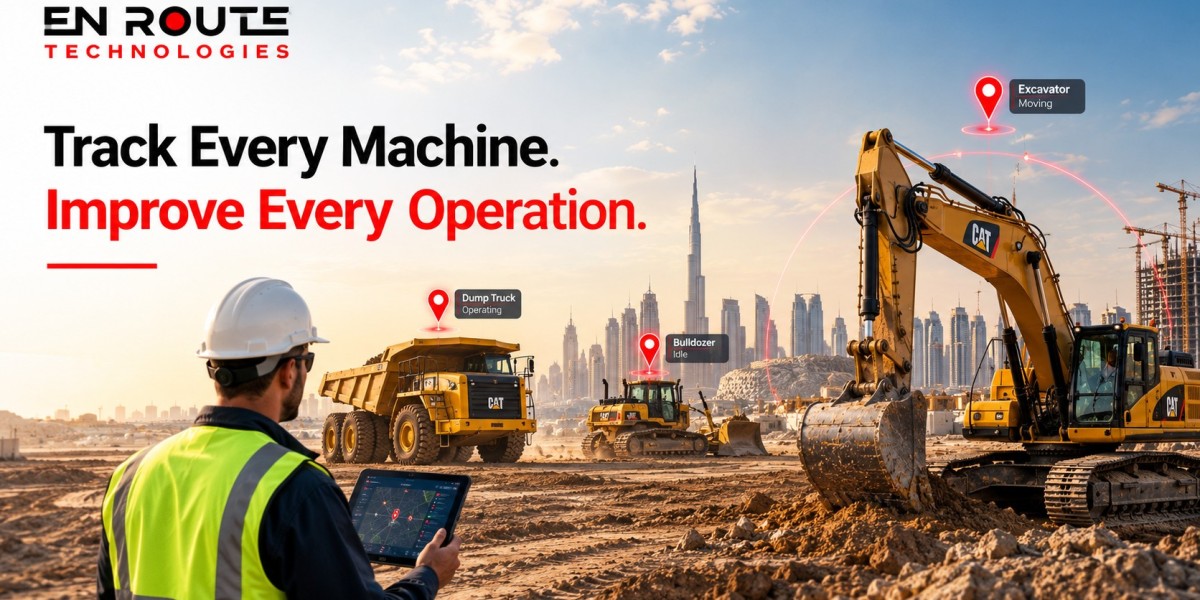
Implementing Heavy Equipment Tracking helps construction companies improve oversight of valuable machinery. Depending on the available technology, tracking systems may provide location information, movement histories, and equipment activity data.
For example, a project manager can review equipment locations before arranging transfers between sites. This information helps teams coordinate machinery availability and reduce unnecessary transportation.
Tracking can also support investigations into unexpected movement and improve awareness of equipment distributed across several locations. When combined with asset records and maintenance procedures, it contributes to more organized equipment management.
For UAE construction projects, where operations may span multiple sites and demanding schedules, accurate equipment information can support better planning and resource allocation.
Connect Fleet Data With Daily Operations
Fleet technology becomes more useful when information supports practical decisions across different departments. Vehicle tracking, asset management, driver safety, and utilization reporting should contribute to a coordinated operational process.
For example, dispatch teams can use vehicle availability information to allocate deliveries. Safety supervisors can review driving events, while asset managers monitor equipment distribution. Senior managers can then evaluate overall performance using consistent reports.
Businesses should establish clear responsibilities for reviewing data and responding to alerts. Without defined procedures, important information may be overlooked or fail to produce meaningful improvements.
Training is equally important. Employees should understand the features relevant to their roles and know how to interpret the available reports. Clear procedures help ensure that technology supports everyday work rather than creating additional administrative burdens.
Measure Fleet Performance With Meaningful KPIs
Performance indicators help businesses understand whether fleet management improvements are delivering results. Instead of relying on general impressions, managers can review measurable trends and compare performance across vehicles, departments, and operating periods.
Useful fleet KPIs include:
Vehicle utilization and availability
Fuel consumption per vehicle or journey
Delivery punctuality and journey duration
Idle time and route efficiency
Maintenance frequency and vehicle downtime
Driver safety events and training requirements
Asset utilization across project sites
The most useful indicators depend on the business model. A delivery company may prioritize on-time deliveries, while a construction company may focus more heavily on equipment availability and machinery utilization.
Managers should establish a baseline before introducing major operational changes. They can then compare results over time to determine which improvements are working and where further action is needed.
Build a Scalable Fleet Management Strategy
A long-term fleet strategy should accommodate business growth without making operations unnecessarily complicated. Companies should begin by identifying their most pressing challenges, such as poor vehicle visibility, rising fuel costs, equipment shortages, or inconsistent driver safety practices.
Next, they should prioritize technology that addresses these requirements and supports future expansion. A phased rollout can help employees become familiar with new workflows while allowing management to evaluate performance before extending implementation.
Businesses should also review system capabilities periodically. New operating locations, additional vehicle categories, and changing customer expectations may create new requirements for reporting, integration, and monitoring.
Most importantly, organizations should combine technology with clear policies, employee training, and regular performance reviews. These elements help turn operational data into practical improvements.
Conclusion
Smart fleet management enables UAE logistics, transportation, and construction businesses to improve vehicle visibility, manage valuable assets, strengthen driver safety, and make better use of available resources.
By selecting suitable technology and measuring operational performance consistently, organizations can identify inefficiencies and make more informed decisions. Integrated tracking, asset oversight, video telematics, and utilization reporting provide a stronger foundation for coordinated fleet operations.
Ultimately, sustainable improvement comes from combining reliable data with effective processes and clear accountability. This approach helps businesses control costs, support safer operations, and prepare their fleets for future growth.