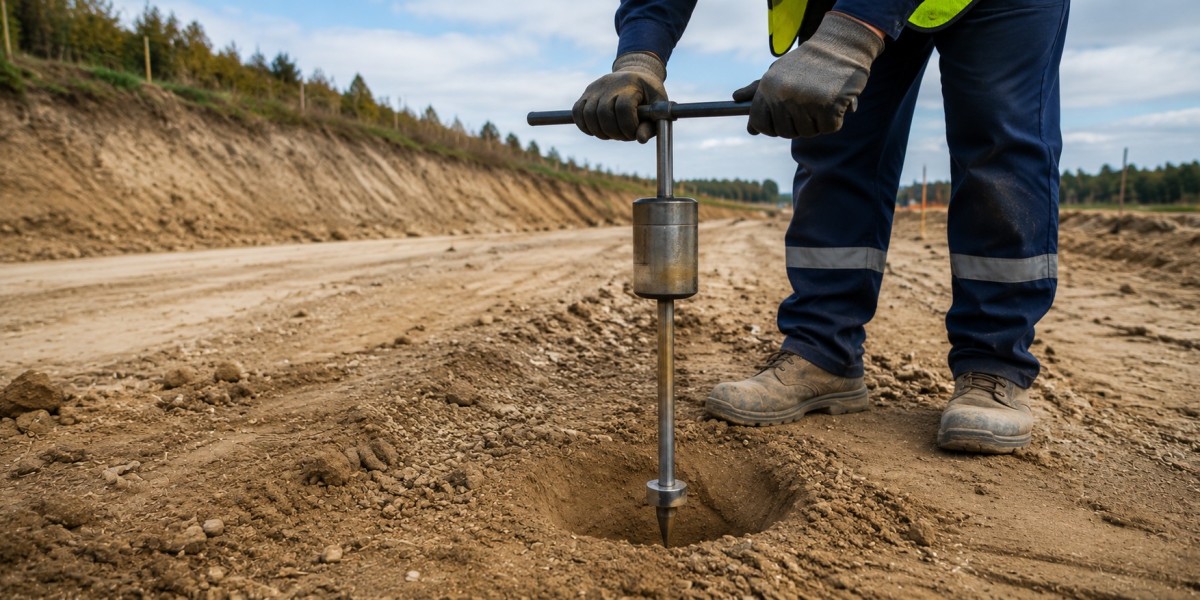

However, working below ground level involves serious risks, including soil collapse, falling materials, and restricted working space. Selecting appropriate excavation equipment and trench protection systems helps contractors manage these challenges while improving jobsite efficiency. Kundel excavation equipment is designed to support trench safety, underground construction, and material handling in demanding work environments.
For contractors planning sewer installations, water main repairs, utility upgrades, and other excavation projects, understanding the available equipment options is an important step toward choosing a suitable solution. Trench boxes, hydraulic shoring systems, and specialized trench shields can help protect workers and support organized excavation operations when selected and used correctly.
Understanding Kundel Excavation Equipment
Kundel Excavation Equipment manufactures equipment for trench protection and industrial safety. Its product range includes steel trench boxes, aluminum trench protection systems, hydraulic shoring equipment, and specialized solutions for underground construction. These products are designed for different excavation requirements, allowing contractors to consider equipment based on trench dimensions, soil conditions, machinery capacity, and project objectives.
Excavation equipment is not limited to digging machinery. Protective systems are equally important because they help create safer working conditions for crews installing pipes, repairing underground utilities, and completing foundation-related work. Choosing suitable trench protection equipment can also help reduce unnecessary interruptions caused by unstable excavation walls or unsuitable equipment configurations.
Contractors should evaluate the requirements of each project before selecting a particular system. Equipment specifications, manufacturer instructions, and applicable safety regulations must guide the final decision.
Trench Boxes for Excavation Safety
Trench boxes are widely used on construction sites where workers need protection inside excavated areas. These systems generally consist of strong side panels connected by spreaders, creating a protected working space within the trench.
Kundel offers steel trench boxes through its Titan Series, including options for utility work, mainline sewer and water installation, manhole projects, and specialized excavation applications. Different configurations are designed to address varying project requirements, including pipe clearance, excavation depth, and excavator compatibility.
A properly selected trench box can help shield workers from soil that may fall or move into the protected area. However, a trench box does not necessarily stabilize the surrounding ground. Contractors must understand the difference between trench shielding and shoring when planning excavation work.
The appropriate system depends on the soil, trench geometry, nearby structures, groundwater conditions, and the nature of the work. Equipment must be installed, positioned, and used according to the manufacturer's instructions and the project's protective-system requirements.
Hydraulic Shoring Systems for Underground Work
Hydraulic shoring systems provide another option for protecting workers during excavation and utility maintenance. These systems use hydraulic components to apply pressure against trench walls through suitable supporting members.
Kundel manufactures hydraulic shoring products such as TrenchJack and HydroShore. Depending on the configuration, these systems can be used for applications involving water lines, sewer repairs, utility maintenance, and other underground work.
Hydraulic shoring may be particularly useful when contractors need adjustable support across different trench widths. Lightweight components can also help crews handle equipment in locations where access is restricted, provided the system is appropriate for the project conditions.
Before choosing a hydraulic shoring system, contractors should confirm the required depth and width, soil classification, hydraulic capacity, component compatibility, and installation procedures. The equipment must be used within its rated limits and supported by the manufacturer's tabulated data or an appropriate engineered design.
Choosing Equipment for Different Excavation Projects
Not every excavation requires the same protective equipment. A system that works well for a narrow utility trench may not be appropriate for a deep sewer installation or a large manhole excavation.
For water and sewer projects, contractors may need trench boxes that provide sufficient clearance for pipe installation and connection work. Utility repairs may benefit from compact protective systems that can be positioned in restricted areas. Larger infrastructure projects may require heavier trench shields or specialized configurations suitable for longer excavation runs.
Equipment selection should account for the excavator's lifting capacity, available working room, access restrictions, ground conditions, and the planned sequence of excavation. Contractors should also consider how the equipment will be delivered, moved, installed, and removed from the work area.
Planning these details before excavation begins can help prevent delays and reduce the likelihood of choosing equipment that does not fit the site requirements.
Renting or Purchasing Excavation Equipment
The decision to rent or purchase excavation equipment depends on how frequently the equipment will be used, project duration, storage capacity, maintenance requirements, and available capital.
Purchasing may make sense for contractors who regularly perform similar excavation work and have the resources to inspect, maintain, and store their equipment. Ownership also requires responsibility for equipment condition, repairs, transportation, and ensuring that components remain suitable for future projects.
Renting can be a practical alternative for short-term work, occasional utility repairs, seasonal construction, or projects with changing equipment requirements. Rental arrangements may also help contractors access suitable equipment without making a large upfront investment.
Before renting, confirm equipment availability, dimensions, permitted applications, delivery arrangements, and any required accessories. For projects involving trench protection, the selected equipment must match the protective-system design and site conditions rather than simply being the most convenient option.
Contractors seeking trench protection equipment in New England can explore the available options through Northeast Shoring's trench boxes. Comparing equipment requirements with the available rental or purchase options helps project teams identify a practical solution for their excavation work.
The Importance of Trench Protection and Regulatory Compliance
Excavation safety requires more than selecting a reputable equipment manufacturer. Contractors must assess site conditions, identify potential hazards, provide appropriate protective systems, and ensure that workers understand the correct procedures.
Under United States Occupational Safety and Health Administration requirements, excavations generally require a protective system at depths of five feet or greater unless the excavation is made entirely in stable rock. Protective measures may also be required in shallower excavations when hazardous conditions exist. Specific exceptions and requirements depend on the applicable regulation and site circumstances.
Trench boxes, shoring systems, and sloping or benching methods serve different purposes. A trench shield protects workers within its designated area, while shoring is intended to support the excavation walls. Neither approach removes the need for proper site evaluation, inspections, safe access, and appropriate work practices.
Contractors should also monitor water accumulation, nearby traffic, equipment loads, vibration, and changing weather conditions. A competent person must inspect excavations as required and identify conditions that could create a hazard. Workers should not enter an excavation that has been identified as unsafe.
Delivery and Equipment Planning
Reliable equipment delivery is an important part of excavation project planning. Delays in receiving trench boxes or shoring components can interrupt pipe installation, utility repairs, and other scheduled construction activities.
Before arranging delivery, contractors should confirm the worksite address, unloading area, access routes, equipment dimensions, lifting requirements, and the timing of excavation activities. The site should be prepared to receive the equipment safely, and suitable machinery should be available for unloading and positioning when required.
Contractors working throughout New England can review Northeast Shoring's delivery and trucking services to understand the company's equipment transportation options. Advance coordination can help teams organize equipment arrival around the construction schedule.
It is also useful to review the equipment inventory before committing to a project plan. Contractors can use the Northeast Shoring quote request page to discuss their trench protection requirements and identify available options.
Maintaining Equipment for Reliable Performance
Inspection and maintenance are essential for trench protection equipment. Damaged panels, worn hydraulic components, missing pins, bent spreaders, or defective lifting points can affect equipment performance and create serious hazards.
Before use, equipment should be inspected according to the manufacturer's requirements. Any damaged or questionable component should be removed from service until it has been evaluated and repaired appropriately. Hydraulic systems should be checked for leaks, damaged hoses, and other defects that could compromise their operation.
Storage also matters. Equipment should be kept in a suitable location where components can be inspected, organized, and protected from unnecessary damage. Contractors should maintain relevant inspection records, follow repair recommendations, and ensure that workers receive appropriate training.
A consistent maintenance program helps preserve equipment condition and supports safer, more predictable excavation operations.
Find the Right Trench Protection Solution for Your Project
Kundel excavation equipment includes trench boxes, hydraulic shoring systems, and specialized protective solutions for underground construction. The right choice depends on the excavation's depth, width, soil conditions, equipment access, and intended application.
Contractors should evaluate these factors before choosing between shielding and shoring, renting equipment or purchasing it, and selecting a particular system configuration. Manufacturer guidance, applicable safety regulations, and competent site supervision should remain central to every decision.
For contractors working on utility installations, sewer projects, water main repairs, and other excavation activities in New England, Northeast Shoring provides trench protection equipment options to explore. Visit the trench boxes page or request a quote to discuss project requirements and identify suitable equipment for the job.