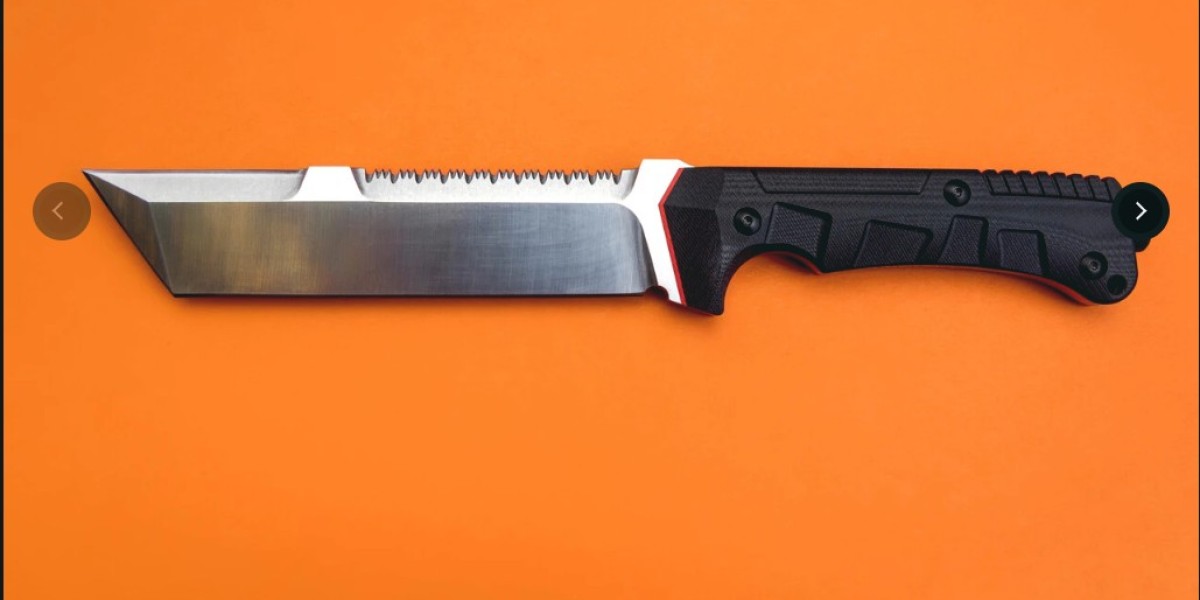

Having dependable equipment can make outdoor activities more organized and convenient. Whether you enjoy camping, hiking, hunting, or wilderness exploration, choosing practical tools is an important part of preparation. A well-designed knife can serve several everyday outdoor purposes, from cutting cord and preparing materials to completing basic campsite tasks. Understanding the features of a tactical knife can help outdoor enthusiasts make a more informed choice.
What Makes a Knife Suitable for Outdoor Use?
Outdoor knives are designed to provide practical functionality in different environments. Their construction often focuses on durability, comfortable handling, and dependable performance. However, not every knife is suitable for every activity, so it is important to consider how you plan to use it.
A useful outdoor knife should have a comfortable handle, a suitable blade length, and reliable construction. These features can make routine tasks easier while helping users maintain better control during normal handling.
Important Features to Consider
Before selecting a knife, examine its materials, design, and overall build quality. Small details can influence comfort, maintenance, and long-term usability.
Blade Material and Construction
Blade material plays an important role in durability and maintenance. Stainless steel is commonly selected because it offers good resistance to corrosion when properly cared for. Other steel types may provide different combinations of edge retention, toughness, and maintenance requirements.
Blade thickness and overall construction should also match the intended purpose. A practical design should feel balanced rather than unnecessarily heavy. Regular cleaning and appropriate storage can help preserve the condition of the blade.
Handle Comfort and Grip
A comfortable handle makes a significant difference during ordinary outdoor tasks. Materials such as textured polymer, rubber, and other durable composites can provide a secure feeling when held correctly.
The handle should fit naturally in the user's hand without creating uncomfortable pressure points. Good balance and a suitable grip design also contribute to controlled handling. When comparing a tactical knife , consider how its handle feels and whether its overall design suits your intended outdoor activities.
Carrying and Storage Options
Safe storage is another important consideration. Many outdoor knives include a protective sheath or carrying case that helps cover the blade when it is not being used. A suitable storage option should hold the knife securely and reduce the risk of accidental contact.
Always follow the manufacturer's storage instructions. Keep sharp tools away from children, avoid carrying exposed blades, and check local laws before transporting or possessing a knife.
Practical Uses During Outdoor Activities
A suitable outdoor knife can assist with several routine campsite activities. Depending on its design and the manufacturer's guidance, it may be useful for cutting cord, opening packaging, preparing small materials, and handling basic maintenance tasks.
Campers should remember that a knife is only one part of a complete outdoor equipment collection. Items such as first-aid supplies, flashlights, water containers, and appropriate clothing are equally important for responsible preparation.
Choosing equipment according to the activity helps prevent unnecessary weight and makes packing more efficient. A reliable tactical knife should be selected for practical utility rather than appearance alone.
Caring for Outdoor Knives
Proper maintenance helps preserve a knife's condition and supports safer storage. After use, clean the blade according to the manufacturer's instructions and dry it thoroughly before putting it away. Moisture and dirt left on the surface may contribute to corrosion or deterioration.
Check the handle, sheath, and other components regularly for visible damage. If any part becomes loose or damaged, stop using the knife until it has been properly inspected or repaired. Store it in a secure, dry location where unauthorized users cannot access it.
Choosing Reliable Outdoor Equipment
Quality should remain a priority when building an outdoor equipment collection. Look for clear product information, dependable materials, comfortable construction, and practical storage features. Reading product specifications can help you compare different options without focusing only on appearance or price.
Outdoor enthusiasts can explore practical equipment options from uwharrieoutdoor when preparing for camping and wilderness activities. Selecting suitable products for specific needs can make outdoor preparation more organized and enjoyable.
Responsible Ownership and Safety
Knives require careful handling because even ordinary utility tasks can cause injuries when performed improperly. Always use a knife on a stable surface, keep your hands away from the cutting path, and close or sheath the blade immediately after use when applicable.
Never use a knife as a substitute for a tool designed for a different job. Responsible ownership also means following applicable laws, respecting other people, and keeping sharp equipment safely secured during travel.
Final Thoughts
Selecting the right outdoor knife involves more than choosing an attractive design. Blade material, handle comfort, construction quality, maintenance needs, and safe storage all deserve attention. By considering these factors, outdoor enthusiasts can choose equipment that supports everyday utility and responsible outdoor preparation. A thoughtful approach to selection and care helps ensure that useful tools remain dependable throughout many adventures.