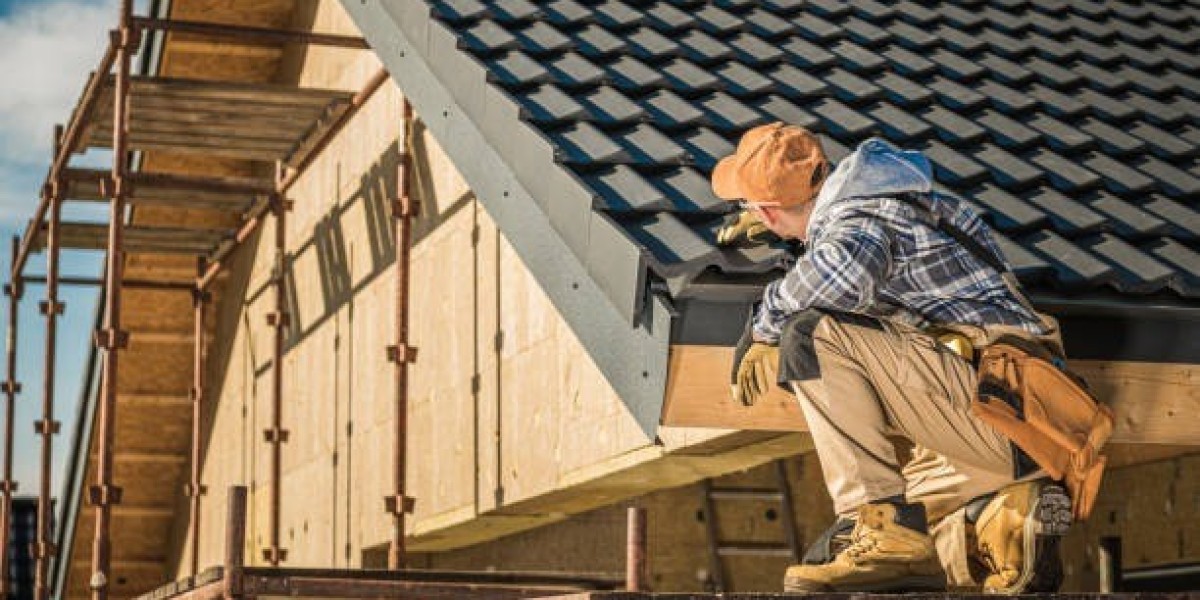

Walk down almost any residential street and you can read the story of each roof in its shingles. Some lie flat and uniform, while others curl, crack, or show dark patches. These changes are not random. Each one reflects a specific stress, whether from heat, moisture, wind, or age, and each has a recognizable remedy. Learning the vocabulary helps you talk with a roofer and understand what an estimate really covers. Here is a plain-language tour of what goes wrong, why it happens, and how professionals approach roof repairs in Royal Oak MI to put things right.
Why Shingles Wear Differently in Southeast Michigan
Asphalt shingles are layered products with a mat, an asphalt coating, and a surface of mineral granules. In this region they endure intense summer sun, humid air, winter ice, and fast swings between warm and cold. Heat can dry out the asphalt, while freeze-thaw cycles open tiny cracks that let moisture creep in. Wind attacks the sealing strips that hold shingles to the row beneath. Over years, the combined effect shows up as visible wear, and the pace depends on installation quality, ventilation, and how well the roof has been maintained. Two houses on the same street can therefore show very different wear after the same number of winters.
Telling Cosmetic Issues From Real Trouble
Not every blemish demands action. Algae streaks, light discoloration, and minor fading may look unattractive but seldom threaten performance by themselves. Real trouble involves loss of material, broken seals, cracks, and exposed fasteners. A helpful rule is to ask whether the problem lets water in or will soon. If shingles are intact and bonded, cosmetic treatment or simple monitoring may be sufficient. If they are lifting, splitting, or missing, the situation changes. A professional can quickly sort one group from the other, saving you from both unnecessary spending and dangerous delay. Many homeowners also find it reassuring to hear that a particular blemish is harmless, since it lets them focus on the problems that truly matter.
Curling, Cupping, and Clawing
Shingles that bend upward at the edges, known as curling or cupping, or that arch in the middle, sometimes called clawing, usually signal aging, moisture trapped beneath, or poor attic ventilation. Curled shingles are easier for wind to lift and tear, and the exposed edges collect water. Minor, isolated cases can sometimes be handled by replacing the worst offenders. Widespread curling typically points to a roof nearing the end of its useful life. A thoughtful roofer will check ventilation as part of the diagnosis, since correcting the underlying cause can prevent the same problem from appearing on new shingles.
Cracking, Blistering, and Granule Loss
Cracked shingles often result from thermal stress, impact, or brittleness with age. Blistering looks like small raised bumps and can come from trapped moisture or heat. Granule loss exposes the asphalt to sunlight, accelerating deterioration, and the grit collects in gutters. Treatments vary by severity, and a trustworthy roofer will explain where your roof falls on that scale. A few damaged shingles can be replaced, taking care not to break neighbors in the process. If the damage is widespread, patching becomes inefficient. Homeowners considering roof repairs in Royal Oak MI should ask how many shingles are affected, whether surrounding areas are fragile, and what blending options exist.
Lifted, Missing, and Wind-Torn Shingles
High winds break the adhesive seal between rows and can tear shingles loose, particularly along edges and ridges. Sometimes only a tab or two is missing; other times a whole section is bare. Repair typically involves replacing damaged pieces, re-sealing lifted ones, and checking nailing patterns, since improper fastening is a frequent cause of wind failure. If you notice a few shingles in the yard, find a reputable local contractor soon. Using roof repairs in Royal Oak MI from a family-owned team gives you someone who will check for related damage beyond the obvious spots.
Problems Beyond the Shingle Surface
Shingles often take the blame for issues that start elsewhere. Common culprits that mimic shingle trouble include:
Failed flashing at chimneys, walls, or skylights
Cracked or deteriorated pipe boots around vents
Clogged gutters that force water under the eaves
Nail pops caused by deck movement or poor installation
Inadequate attic ventilation that overheats the roof from below
A roofer who diagnoses the whole system, instead of replacing shingles alone, is less likely to give you a repair that fails shortly afterward.
Making Repairs That Blend and Last
A repair should protect the roof first and look good second, though a skilled crew can usually deliver both. Matching color is rarely perfect, because older shingles fade, but selecting a close shade and arranging pieces thoughtfully helps. Proper technique matters: correct nail placement, sealing of tabs, and careful handling of adjacent shingles. Weather also plays a role, since cold temperatures can slow sealing, and a skilled crew will sometimes hand-seal tabs so repairs hold until warmer days arrive. Ask how the contractor plans to manage these details. Thoughtful answers indicate a crew that sweats the small things, which is where roof longevity is decided.
Conclusion
Shingles speak clearly if you learn to listen. Curling, cracking, lifting, and granule loss each point to particular causes and particular fixes, and the best repairs address both the symptom and the reason behind it. With that knowledge, you can discuss roof repairs in Royal Oak MI confidently, ask smart questions, and make sure the work protects your home through many more Michigan winters.