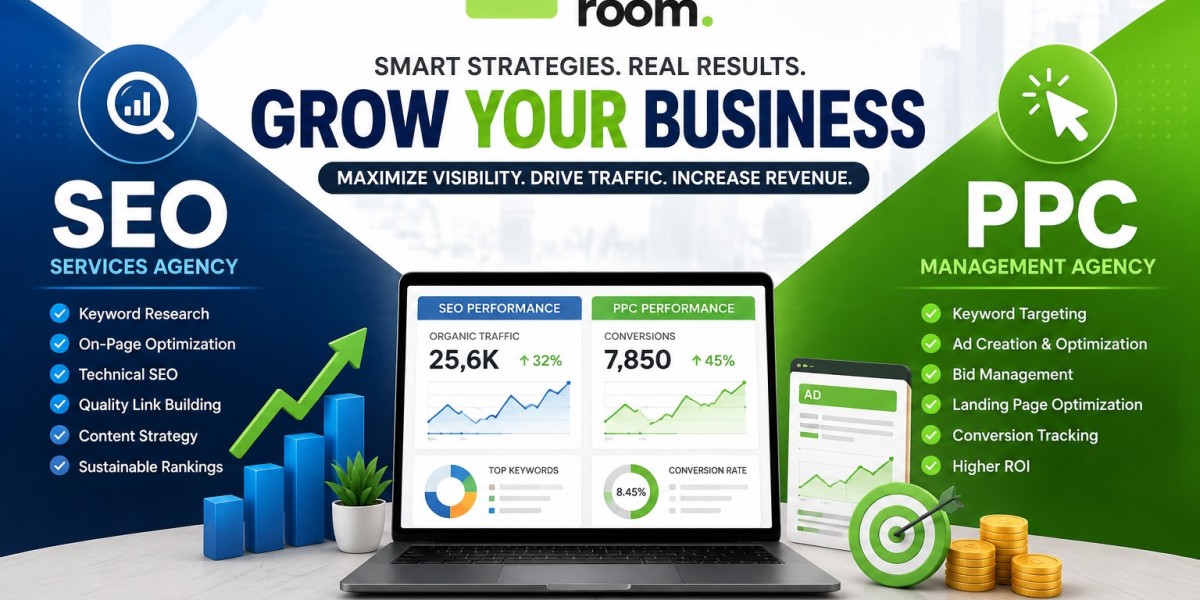

In today's competitive digital marketplace, businesses need effective online marketing strategies to reach potential customers, increase brand visibility, and generate consistent revenue. With millions of websites competing for attention, simply having an online presence is no longer enough. Companies must invest in strategies that help them attract the right audience, build trust, and convert visitors into loyal customers. Search engine optimization and pay-per-click advertising are two essential approaches that help businesses achieve these goals.
Understanding the Importance of Digital Marketing
Digital marketing has transformed how businesses connect with their audiences. Customers increasingly use search engines, social media platforms, and online advertisements to discover products and services. This shift has created new opportunities for businesses of every size to reach customers beyond traditional geographical boundaries.
A successful digital marketing strategy focuses on understanding customer behavior, identifying relevant search terms, creating valuable content, and selecting suitable advertising channels. Businesses that combine organic search visibility with paid advertising can build a stronger online presence and achieve more balanced marketing results.
What Is Search Engine Optimization?
Search engine optimization, commonly known as SEO, is the process of improving a website's visibility in organic search engine results. It involves optimizing website content, technical performance, structure, and authority so search engines can understand and rank pages more effectively.
When users search for information, products, or services, they usually visit websites that appear among the top results. Businesses with well-optimized websites have a better opportunity to attract relevant visitors without paying for every individual click.
SEO is a long-term investment that helps companies establish credibility, improve website traffic, and develop sustainable online growth. However, successful optimization requires consistent research, strategic planning, and ongoing improvements.
Essential SEO Strategies for Business Growth
An effective SEO campaign includes several important activities that work together to improve search performance.
1. Keyword Research
Keyword research identifies the words and phrases potential customers use when searching online. Understanding search intent allows businesses to create content that directly addresses customer needs.
A good keyword strategy focuses on relevant search terms, reasonable competition, and opportunities to attract qualified visitors. Businesses should prioritize keywords that reflect their products, services, and target audience.
2. On-Page Optimization
On-page SEO involves improving individual website pages to make them more relevant to search queries. This includes optimizing title tags, meta descriptions, headings, URLs, images, and internal links.
High-quality content is equally important. Every page should provide useful information, answer customer questions, and offer a clear understanding of the products or services being presented.
3. Technical SEO
Technical SEO focuses on the infrastructure and performance of a website. Search engines need to crawl and index website pages efficiently.
Important technical elements include website speed, mobile responsiveness, secure browsing, XML sitemaps, structured data, and fixing broken links. A technically sound website also creates a better experience for visitors.
4. Link Building
Backlinks are links from other websites that point toward your website. Relevant and trustworthy backlinks can help establish authority and improve search visibility.
Businesses should focus on earning links through valuable resources, industry partnerships, digital public relations, and informative content rather than using manipulative link-building techniques.
5. Content Marketing
Content marketing supports SEO by providing useful information that attracts and engages potential customers. Blog articles, service pages, guides, and case studies can target different stages of the customer journey.
Publishing original and relevant content regularly helps businesses demonstrate expertise and build stronger relationships with their audiences.
Why Businesses Need Professional SEO Support
Managing SEO requires technical knowledge, analytical skills, and a clear understanding of changing search engine guidelines. Working with an experienced SEO Services Agency can help businesses develop a structured optimization strategy based on their goals and industry requirements.
Professional SEO specialists can conduct website audits, identify ranking opportunities, improve technical performance, and develop content strategies. They also monitor important metrics such as organic traffic, keyword rankings, engagement, and conversions.
Another advantage is the ability to make informed decisions using reliable performance data. Instead of relying on assumptions, businesses can identify which pages perform well and where improvements are needed.
Understanding Pay-Per-Click Advertising
Pay-per-click advertising is a digital advertising model in which businesses pay a fee whenever someone clicks on their advertisement. These advertisements commonly appear at the top of search engine results pages, although PPC campaigns can also run across display networks, shopping platforms, and social media channels.
Unlike organic SEO, which generally requires time to achieve strong rankings, paid advertising can help businesses gain visibility much faster. Companies can target specific keywords, locations, audiences, and customer interests to reach people who are more likely to become customers.
PPC is particularly useful for promoting new products, generating immediate leads, supporting seasonal campaigns, and reaching customers with high purchase intent.
Key Components of a Successful PPC Campaign
A profitable PPC campaign requires careful planning and continuous optimization.
1. Campaign Planning
Every advertising campaign should begin with a clear objective. Businesses must decide whether they want website traffic, product sales, appointment bookings, or qualified leads.
Defining measurable goals helps marketers select suitable advertising platforms and allocate budgets effectively.
2. Strategic Keyword Selection
For search advertising, choosing the right keywords is essential. Businesses should target search terms that match their services and customer intentions.
Negative keywords are also important because they prevent advertisements from appearing for irrelevant searches. This helps reduce wasted advertising expenditure.
3. Compelling Ad Copy
Effective advertisements communicate value quickly. Headlines should attract attention, while descriptions should explain the main benefits of a product or service.
Including relevant calls to action, such as requesting a consultation or exploring available products, can encourage users to take the next step.
4. Landing Page Optimization
Sending advertising traffic to a relevant landing page is essential for improving conversions. The landing page should match the advertisement, load quickly, and provide clear information.
Simple navigation, persuasive messaging, customer testimonials, and visible contact options can help improve the overall user experience.
5. Budget Management
Businesses should establish realistic advertising budgets based on their objectives, competition, and expected returns.
Campaign performance must be reviewed regularly to identify profitable keywords, reduce unnecessary spending, and distribute budgets toward better-performing advertisements.
The Benefits of Hiring PPC Specialists
Managing paid advertising campaigns involves more than creating advertisements and selecting keywords. It requires continuous monitoring, testing, audience analysis, and budget adjustments.
A professional PPC Management Agency can help businesses plan advertising campaigns, manage bidding strategies, improve ad quality, and track conversions. Experienced specialists understand how to identify performance issues and make adjustments that improve campaign efficiency.
They can also conduct A/B testing to compare different headlines, descriptions, landing pages, and audience segments. These insights help businesses understand which advertising messages produce stronger results.
Professional campaign management can save time while helping companies make better use of their advertising budgets.
SEO vs. PPC: Which Strategy Is Better?
SEO and PPC have different strengths, and the right choice depends on business objectives.
SEO is generally more suitable for companies looking to build long-term organic visibility, establish authority, and attract consistent website traffic. Although it requires patience, successful optimization can continue generating visitors over time.
PPC is useful for businesses that need faster exposure, targeted advertising, and measurable campaign results. However, traffic from paid advertisements generally decreases when campaigns stop running.
Rather than choosing only one approach, businesses can combine both strategies to create a more effective marketing system.
For example, SEO can attract visitors researching a particular service, while PPC can target customers who are ready to make a purchase. Data from paid campaigns can also help marketers identify valuable search terms for future organic content.
How to Measure Digital Marketing Performance
Tracking performance is essential for understanding whether marketing investments are producing meaningful results.
Businesses should monitor several important metrics, including:
Organic website traffic.
Search engine keyword rankings.
Click-through rates.
Cost per click.
Conversion rates.
Cost per acquisition.
Return on advertising spend.
Lead quality and customer retention.
Analytics tools can provide valuable information about website visitors, advertising performance, and customer behavior. Regular reporting allows businesses to identify opportunities and improve their marketing strategies over time.
Combining SEO and PPC for Better Results
The strongest digital marketing strategies often integrate organic and paid search activities. Both approaches can support each other by improving visibility across different stages of the customer journey.
For example, a company can use PPC advertising to promote a newly launched service while developing SEO content to build long-term organic visibility. The search terms that generate conversions through paid campaigns can inform future website content.
Similarly, SEO research can reveal valuable topics and customer questions that businesses can use in their advertising messages.
This integrated approach helps companies maintain visibility, reach different audience segments, and create more opportunities for conversions.
Conclusion
Building a successful online presence requires a combination of strategic planning, valuable content, technical improvements, and consistent performance monitoring. Organic optimization helps businesses establish long-term search visibility, while paid advertising offers faster opportunities to reach targeted customers.
Working with experienced marketing professionals can make these processes more organized and effective. By combining search optimization with carefully managed advertising campaigns, businesses can attract qualified traffic, strengthen brand awareness, generate leads, and achieve sustainable growth in an increasingly competitive digital marketplace.