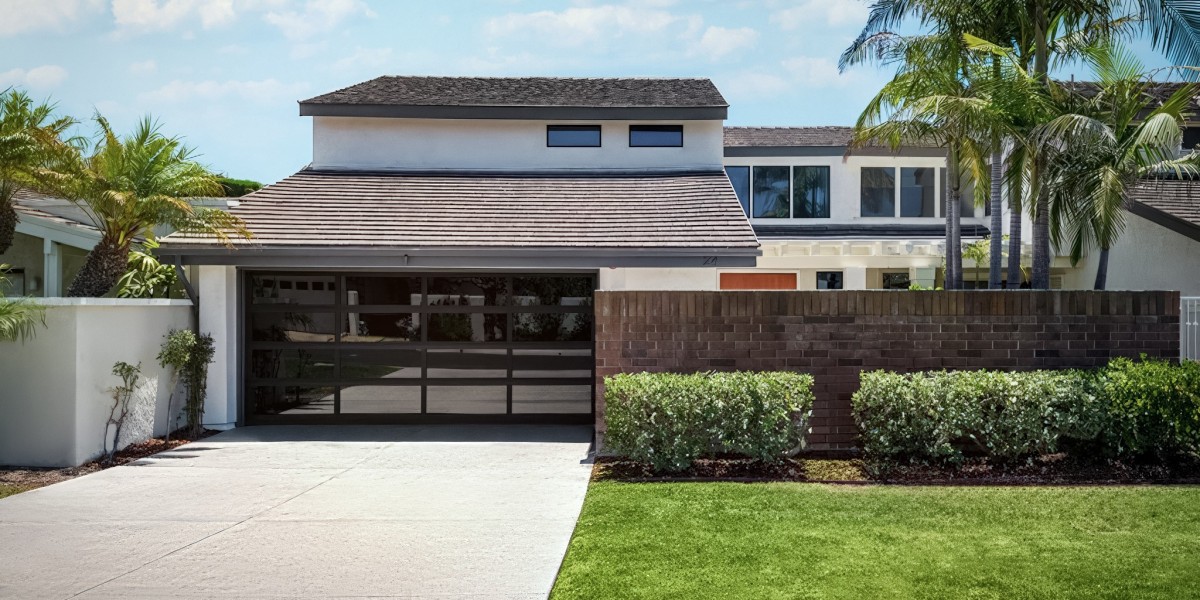

Manhattan Beach is one of the most desirable coastal communities in Southern California. Between the walkable Sand Section, the elevated views of the Hill Section, and the tree-lined streets of the Tree Section, homeowners here invest heavily in their properties. Whether you are building a custom residence from the ground up, tearing down and rebuilding, or taking on a major remodel, the contractor you hire will shape the quality of the result, the length of the schedule, and the stress you feel along the way.
That is why finding the right luxury home contractors in Manhattan Beach deserves serious attention. The best high-end general contractors do far more than swing hammers. They manage budgets, coordinate architects and engineers, navigate city approvals, protect your investment, and deliver craftsmanship that lasts. This guide explains what separates exceptional contractors from average ones and gives you a practical checklist for making your decision.
What Makes a General Contractor “High-End”?
The word luxury gets used loosely, so it helps to define what it should mean in construction. A high-end general contractor is not simply one who builds expensive homes. It is one who consistently delivers a higher standard in several areas.
Craftsmanship. Tight tolerances, clean lines, precise tile work, seamless millwork, and carefully detailed finishes are the visible signs of quality. The invisible signs matter just as much: proper framing, flashing, waterproofing, and insulation.
Process. Premium builders run organized projects with detailed schedules, clear budgets, written change-order procedures, and regular communication.
Subcontractor network. Strong contractors have long relationships with skilled trades, including framers, plumbers, electricians, stone fabricators, cabinetmakers, and finish carpenters. Those relationships influence quality and reliability.
Problem-solving. Every project hits surprises. Great contractors anticipate issues, present options, and keep work moving.
Client experience. At this level, you should feel informed and respected at every stage, from the first meeting to the final walkthrough.
Why Manhattan Beach Projects Are Different
Building in Manhattan Beach comes with its own set of challenges, and experience in this specific market matters.
Compact lots. Many parcels are small, which means design and construction logistics must be handled carefully. Staging materials, protecting neighboring properties, and managing access all require planning.
City review and neighborhood expectations. New construction and major remodels typically go through plan review and permitting. Rules on height, setbacks, lot coverage, and other standards affect design. Because requirements can change, your contractor should stay current with local regulations.
Coastal conditions. Salt air, sandy soil, and in some locations a higher water table all influence how a home should be built. Corrosion-resistant materials, proper waterproofing, and thoughtful foundation design extend the life of the home.
Coastal zone considerations. Certain areas fall within the coastal zone, which can add review steps. A contractor familiar with the process can help you plan for it early.
Neighbors and noise. In tight neighborhoods, a respectful, well-organized job site makes a big difference. Good contractors communicate with neighbors, control dust and noise where possible, and keep the site clean.
Qualities to Look for in a Top Contractor
When comparing candidates, look beyond the sales pitch and focus on proof.
Proper Licensing and Insurance
In California, contractors must hold a valid license from the Contractors State License Board for most projects above a certain value. You can verify a license, check its status, and see whether any complaints or disciplinary actions appear. Also confirm that the contractor carries general liability insurance and workers’ compensation coverage. This protects you if something goes wrong on your property.
A Portfolio of Comparable Projects
Ask to see completed homes similar in scale, style, and complexity to yours. Photographs are helpful, but visiting a finished project, or speaking with the owner, is even better. Look closely at details such as door alignment, tile layouts, trim work, and paint lines.
Strong References
Ask for contact information for recent clients, and call them. Useful questions include:
Did the project finish on schedule and within the agreed budget?
How were changes and surprises handled?
How responsive was the team?
Would you hire them again?
Transparent Pricing
Be cautious of bids that are dramatically lower than the rest. Unrealistically low pricing often leads to change orders, shortcuts, or disputes later. A trustworthy contractor will explain what is included, what is excluded, which items are allowances, and how changes will be priced.
Clear Communication
Pay attention to how responsive the contractor is during the proposal stage. If communication is slow or vague before you sign, it is unlikely to improve afterward. Look for a team that offers regular updates, organized documentation, and a single point of contact.
Experience with Design Teams
High-end homes involve architects, structural engineers, interior designers, landscape designers, and sometimes lighting and audiovisual specialists. A contractor who collaborates well with these professionals helps the design come to life and flags constructability issues early.
Understanding Pricing and Contract Types
Knowing how contractors price projects will help you compare proposals fairly.
Fixed price. The contractor agrees to deliver the defined scope for a set amount. This provides cost certainty, but it requires detailed plans and specifications. Changes are handled through change orders.
Cost plus a fee. You pay actual costs plus a fee or percentage for the contractor. This approach offers transparency and flexibility, which many owners prefer on complex custom homes, though it requires careful oversight and clear budgeting.
Design-build. One team handles both design and construction. This can streamline communication and help align the design with the budget from the start.
Whichever structure you choose, insist on a written contract that spells out scope, schedule, payment terms, warranty, and how changes are handled. Be wary of large upfront payments, and make sure payment schedules are tied to completed work, consistent with California rules.
Red Flags to Avoid
Even in a premium market, problems can arise. Watch for these warning signs:
No license, an inactive license, or unwillingness to share license information
Requests for large deposits or cash payments
Vague proposals without detailed scope
Pressure to sign quickly
Poor communication or missed meetings
Reluctance to provide references or show completed work
A pattern of unresolved complaints or disputes
Trust your instincts. If something feels off before the project starts, it will not get better once construction begins.
The Construction Process, Step by Step
Understanding the typical sequence helps you ask better questions.
Initial consultation. You discuss goals, budget, timeline, and site conditions.
Pre-construction planning. The contractor reviews plans, provides preliminary pricing, and identifies potential issues.
Permits. Plans go through city review, and your team responds to comments.
Site preparation. Demolition, grading, shoring, and utilities are addressed.
Foundation and structure. The foundation, framing, and roof are completed.
Systems. Plumbing, electrical, HVAC, and other systems are installed and inspected.
Envelope and finishes. Windows, siding, insulation, drywall, flooring, cabinetry, tile, and paint are completed.
Final inspections and walkthrough. The team completes punch-list items and delivers warranties and documentation.
Budget and Timeline Expectations
Luxury construction involves meaningful investment, and the numbers depend heavily on scope, finishes, and site conditions. Costs are shaped by foundation requirements, structural complexity, high-performance windows, custom millwork, stone, smart-home systems, outdoor living spaces, and more.
A few planning principles can help you stay in control:
Establish a realistic budget early and include a contingency for unforeseen conditions.
Finalize design decisions before construction starts, since late changes are expensive.
Select finishes and long-lead items early to avoid delays.
Ask for regular budget updates so there are no surprises.
Timelines typically include design, permitting, and construction, and each phase can take longer than owners expect. Choosing an experienced contractor helps keep the schedule realistic and the project on track.
Why Experience in Development Matters
Some contractors understand construction only. Others also understand real estate, land use, and long-term property value. That broader perspective can be a major advantage, especially for owners who care about resale potential or are investing in a property.
Reeland Investments is a Southern California real estate investment and development firm with more than 400 completed projects. As licensed professionals in both real estate and general construction, the team brings insight into land, design, budgeting, and building under one roof. For homeowners and investors seeking luxury home contractors in Manhattan Beach, that combination of development knowledge and construction discipline can help align design, cost, and quality from day one.
Questions to Ask Before You Hire
Use this list during interviews:
How many projects like mine have you completed in Manhattan Beach?
Who will be my day-to-day contact, and who supervises the job site?
How do you handle change orders and unexpected conditions?
How do you communicate progress and costs?
What is your process for quality control and inspections?
Which subcontractors will you use, and how long have you worked with them?
What warranty do you provide after completion?
Can I speak with recent clients and visit completed homes?
The quality of the answers, and the confidence behind them, will tell you a great deal.
Frequently Asked Questions
1. How do I verify a contractor’s license in California?
The Contractors State License Board maintains a public license lookup where you can confirm a license number, status, bond, and any disciplinary history. Always check before signing a contract.
2. How much does it cost to build a custom luxury home in Manhattan Beach?
Costs vary widely based on size, design, finishes, and site conditions. Because land and construction costs are high in this market, the most reliable approach is to request detailed estimates from qualified contractors once you have preliminary plans.
3. How long does a high-end build or remodel take?
Timelines depend on scope, permitting, and complexity. Most projects involve design, city review, and construction phases, and larger custom homes typically take longer than many owners expect. An experienced contractor can give you a realistic schedule for your specific project.
4. Should I hire a contractor before or after the design is finished?
Bringing a contractor in early, ideally during design, is often beneficial. Early input on constructability, materials, and pricing helps avoid redesigns and keeps the project aligned with your budget.
5. What is the difference between a general contractor and a design-build firm?
A general contractor builds from plans prepared by a separate architect, while a design-build firm handles both design and construction. Design-build can simplify communication and coordination, but the right choice depends on your preferences and project.
Final Thoughts
Hiring a contractor is one of the most important decisions you will make when building or renovating in Manhattan Beach. The right team protects your investment, respects your vision, and turns a complicated process into a smooth, rewarding experience.
Take your time. Verify credentials, review past work, speak with references, compare proposals carefully, and choose a team you trust. If you are searching for luxury home contractors in Manhattan Beach, consider Reeland Investments as a partner with the experience, discipline, and local knowledge to bring your project to life.