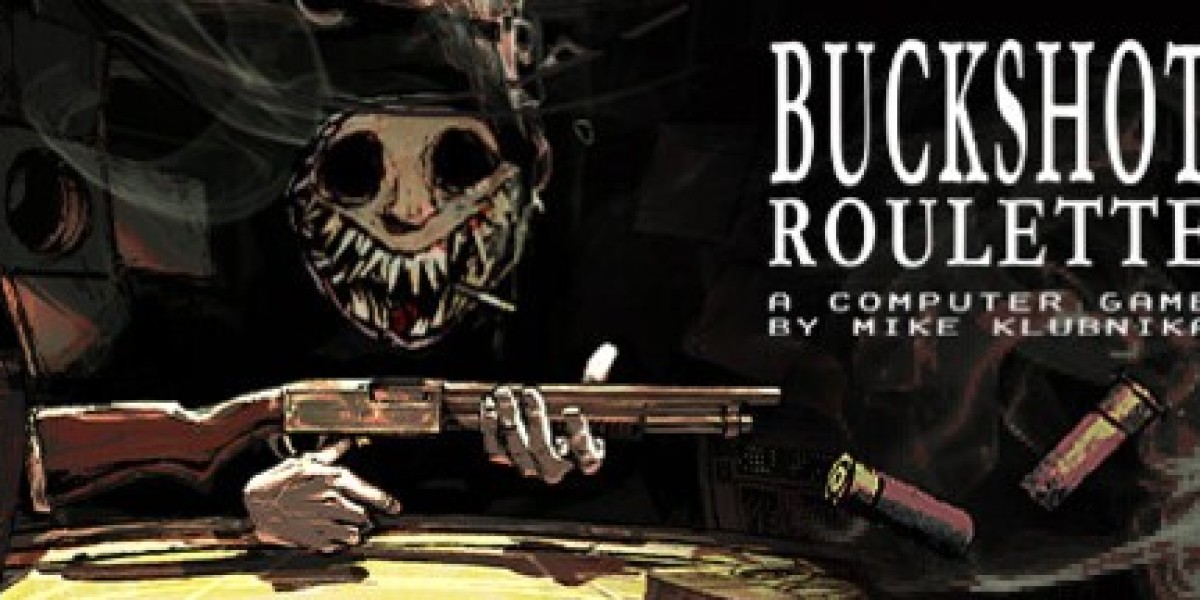

Some games build excitement through fast movement or elaborate stories. Buckshot Roulette takes a different approach: it places you at a table, gives you a shotgun, and asks you to make decisions with incomplete information. The result is a tense, strategy-focused game with a dark, theatrical atmosphere. It’s best enjoyed as a compact game of probability and nerve rather than as a realistic simulation.
If you’re curious, you can find Buckshot Roulette and approach it at your own pace. The basic idea is easy to understand, but each round can feel different because you have to work with the shells and items available to you.
Gameplay
In the main game, you face a dealer across a table. A shotgun is loaded with a hidden sequence of live and blank shells, and the number of each is announced. You take turns choosing whether to fire at yourself or at the other player. A live shell deals damage; a blank shell does not. When you fire a blank at yourself, you usually keep your turn, while firing at the dealer passes play along.
That simple choice creates the central puzzle: how much should you trust the odds? If only one shell remains and you know it’s live, the decision is clear. With several shells left and no knowledge of their order, you have to weigh the risk against the chance of gaining another turn.
Items add more possibilities. Depending on the round, you may be able to inspect a shell, remove one from the sequence, or change how a turn works. These tools don’t guarantee a win. Instead, they let you turn a guess into a more informed decision—or create an unexpected opportunity. The game’s rounds grow more demanding, so pay attention as the rules and available resources shift.
Tips
Keep track of the shell count. After each shot, note how many live and blank shells remain. Even a rough mental tally can make your next choice more informed.
Use information items thoughtfully. If you can inspect a shell, consider whether knowing its contents will change what you do. A clue is most useful when it helps you choose between two genuinely different actions.
Don’t treat every turn as a gamble. Sometimes the safer choice is to shoot at the dealer; in other situations, firing at yourself may be worthwhile if a blank could let you act again. Think about the likely cost and benefit instead of choosing by habit.
Learn from each round. A loss can still show you how an item works or how a decision played out. The game is short enough that trying again feels like experimentation, not homework. If the tension gets intense, take a break; the atmosphere is part of the experience.
Conclusion
Buckshot Roulette turns a small set of rules into a memorable test of probability, observation, and self-control. Its appeal comes from the pauses between decisions as much as from the shots themselves. Take your time, notice what the game reveals, and enjoy the uneasy uncertainty. Whether you win or lose, each round offers a fresh chance to make a better-informed choice.