
Practical Strategies for Medical Practices to Reduce Claim Denials and Improve Collections
Medical claim denials are one of the most common financial challenges faced by healthcare organizations. Even practices with experienced providers and established administrative teams can experience reimbursement delays because of inaccurate patient information, incomplete documentation, insurance coverage issues, or billing errors.
When claims are denied, billing staff must investigate the reason, correct the information, prepare supporting documentation, and resubmit the claim or submit an appeal when appropriate. These additional activities increase administrative workloads and can negatively affect cash flow.
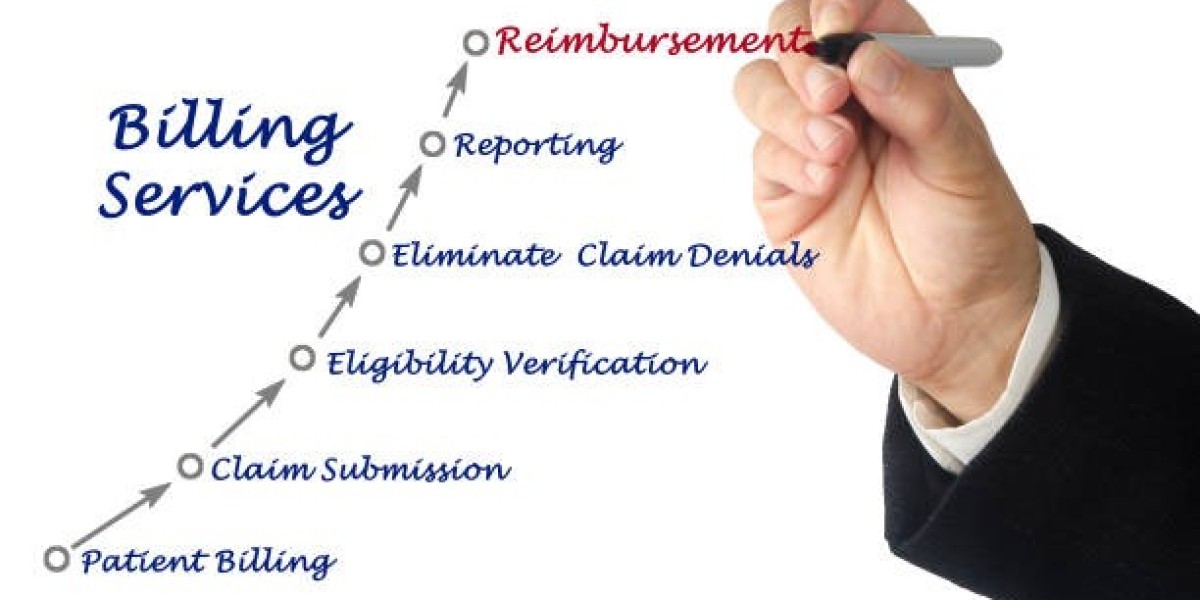
Reducing claim denials requires a proactive approach that addresses potential problems before claims reach insurance companies. By improving front-end processes, maintaining accurate documentation, and monitoring billing performance, healthcare providers can create a more efficient revenue cycle.
Identify the Most Common Causes of Claim Denials
Understanding why claims are denied is the first step toward preventing recurring billing problems. Different insurance companies follow different processing requirements, but several denial reasons are common across healthcare practices.
These include:
Incorrect patient demographic information
Inactive or expired insurance coverage
Missing authorization or referral information
Incorrect diagnosis or procedure codes
Incomplete medical documentation
Duplicate claim submissions
Filing deadline violations
Services not covered under the patient's policy
Billing departments should categorize denials according to their underlying causes rather than treating every rejected claim as an isolated incident.
For example, repeated eligibility-related denials may indicate that insurance verification is not being completed consistently. Similarly, authorization-related denials may suggest weaknesses in the practice's scheduling and approval procedures.
Analyzing these patterns allows management to address the actual source of problems.
Establish a Reliable Authorization Verification Process
Insurance authorization is an important part of preparing claims for successful reimbursement. Certain medical procedures and services require prior approval from the patient's insurance company before treatment takes place.
If the required authorization is missing, expired, or associated with incorrect service information, the payer may refuse reimbursement.
Medical practices should establish a clear process for identifying authorization requirements before appointments. Staff members should confirm the applicable payer guidelines, collect supporting clinical documentation, submit requests, and monitor approval status.
Professional Prior Authorization Services can help healthcare organizations manage these responsibilities through structured submission and follow-up procedures.
Dedicated authorization support can also help reduce the administrative burden on front-desk employees and billing teams. Maintaining accurate approval records makes it easier to confirm that the authorization corresponds with the service eventually provided.
Practices should remember that authorization does not automatically guarantee payment. Coverage, medical necessity, coding accuracy, and other payer requirements must still be satisfied.
Improve Patient Registration and Insurance Verification
Errors introduced during patient registration can create problems throughout the revenue cycle. A small mistake in an insurance identification number or policyholder's name may cause a claim to be rejected.
To minimize these issues, medical practices should verify patient information at the time of scheduling and registration.
Important verification activities include checking:
Patient name and date of birth
Insurance identification number
Policyholder information
Coverage effective dates
Plan type and network participation
Deductible and copayment responsibilities
Referral requirements
Covered medical services
Practices should also communicate with patients whenever their insurance information changes.
Consistent verification reduces avoidable billing errors and gives administrative teams an opportunity to resolve coverage questions before services are delivered.
Develop Effective Billing Procedures for Out-of-Network Claims
Out-of-network billing requires additional attention because the provider may not have a contracted reimbursement arrangement with the patient's insurance company.
The patient's benefits may include out-of-network coverage, but reimbursement rates, deductibles, coinsurance, and other financial responsibilities can differ considerably from in-network benefits.
Healthcare organizations should review the patient's specific insurance policy rather than assuming that coverage works the same way across all plans.
They should also communicate potential costs clearly and maintain appropriate documentation regarding financial responsibilities and applicable patient protections.
Working with specialized Out of Network Billing Services can help practices manage the administrative complexities associated with these claims.
Support may include reviewing insurance benefits, preparing accurate claim information, monitoring submissions, tracking payments, and following up on unpaid balances.
A consistent process is particularly valuable for practices that regularly serve patients with different insurance arrangements.
Strengthen Medical Coding and Documentation Accuracy
Incorrect coding is another significant contributor to claim denials. Medical claims must accurately represent the services performed and the patient's documented medical conditions.
Healthcare providers should ensure that clinical documentation supports the diagnosis and procedures reported on each claim.
Coding teams should review relevant documentation, confirm code selection, and follow current coding guidelines. They should also pay attention to payer-specific requirements that may affect reimbursement.
Regular internal audits can identify recurring mistakes and reveal opportunities for additional employee training.
When coding specialists and providers communicate effectively, missing documentation can often be addressed before claims are submitted.
Introduce a Structured Denial Management Workflow
Even well-managed medical practices may encounter occasional claim denials. What matters is how quickly and effectively those denials are addressed.
A structured denial management process should include:
Receiving and reviewing denial notifications.
Identifying the specific denial reason.
Checking the original claim and supporting records.
Determining whether correction, resubmission, or appeal is appropriate.
Preparing the required documentation.
Submitting the corrected claim or appeal within the applicable deadline.
Monitoring the claim until resolution.
Practices should assign responsibility for denial follow-ups and establish deadlines to prevent unresolved claims from accumulating.
Maintaining detailed denial records also helps management identify recurring issues and evaluate whether corrective measures are producing improvements.
Monitor Accounts Receivable Regularly
Accounts receivable reporting provides valuable insight into the financial performance of a medical practice.
Aging reports help billing teams identify unpaid claims according to how long they have remained outstanding. This allows staff to prioritize older balances, investigate delayed payments, and address filing deadlines.
Management should review important indicators such as average days in accounts receivable, collection rates, denial percentages, and outstanding insurance balances.
High-value claims and older unpaid balances may require additional attention because delayed follow-ups can increase the possibility of lost revenue.
Consistent reporting also makes it easier to compare monthly performance and identify areas that require operational changes.
Train Administrative Teams and Improve Internal Communication
Technology and external billing support can improve efficiency, but employee knowledge remains essential.
Front-desk employees should understand registration and eligibility procedures. Authorization coordinators should know how to identify payer requirements, while billing specialists should be familiar with claim submission, denial management, and reimbursement follow-ups.
Regular training sessions can help employees stay informed about policy changes, coding updates, and internal procedures.
Communication between scheduling, clinical, and billing departments should also be encouraged. When these teams share relevant information, fewer errors are likely to move from one stage of the revenue cycle to another.
Conclusion
Reducing claim denials requires consistent attention to every stage of the medical billing process. Accurate registration, insurance verification, authorization tracking, coding, and timely follow-ups all contribute to successful reimbursement.
Healthcare practices can improve financial performance by identifying recurring denial patterns, establishing organized workflows, and monitoring accounts receivable regularly.
A proactive approach to billing administration not only reduces unnecessary rework but also helps medical organizations maintain predictable cash flow and dedicate more resources to delivering quality patient care.