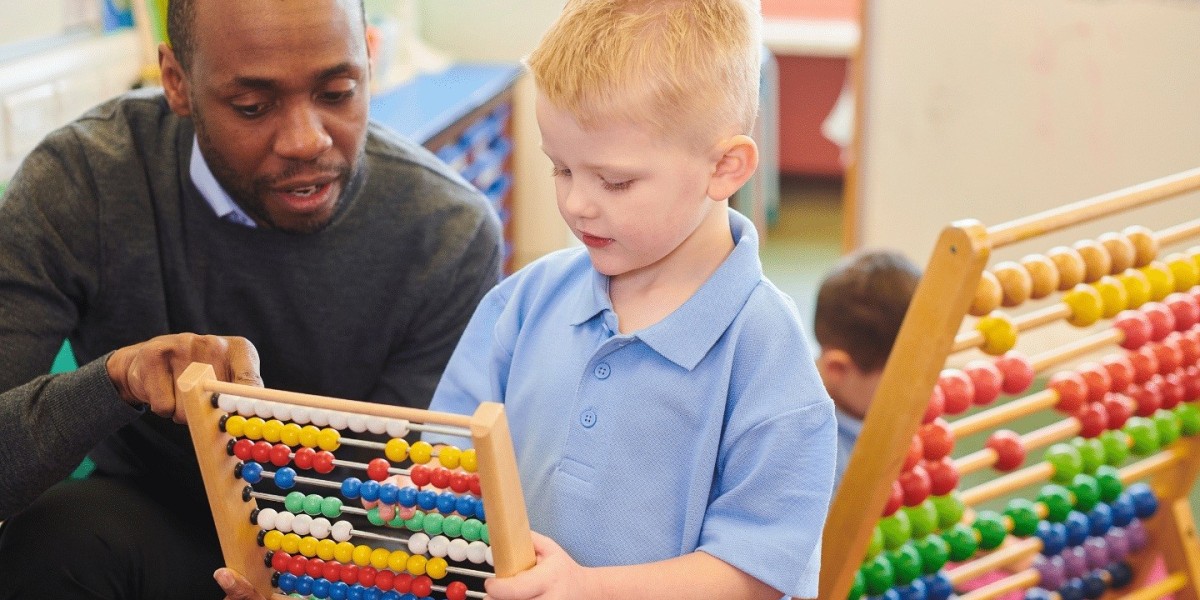

Parent training plays an important role in helping families understand their children's behavior and develop useful skills for everyday life. Children who receive Applied Behavior Analysis (ABA) services often benefit when parents and caregivers understand how to support learning outside therapy sessions. ABA Parent Training In Michigan helps families learn practical strategies that encourage positive behaviors, improve communication, and create more successful daily routines. Through professional guidance, parents can better understand their children's individual needs and respond to different situations with confidence. The Behavior Architects recognizes that every child learns differently, which is why family involvement is an important part of building meaningful progress. With the right support, parents can create a comfortable home environment where children have opportunities to practice new skills, develop independence, and participate more actively in family and community activities. Parent training also helps caregivers understand how small changes in daily interactions can support long-term development.
What Is ABA Parent Training and Why Is It Important?
Applied Behavior Analysis is an evidence-based approach that focuses on understanding behavior and teaching useful skills through structured learning experiences. Parent training helps caregivers understand the principles behind ABA and apply appropriate strategies during everyday activities. ABA Parent Training In Michigan gives parents an opportunity to learn how communication, positive reinforcement, routines, and consistent expectations can influence a child's development. Instead of relying only on therapy sessions, families become active participants in the learning process. Parents receive guidance on identifying important goals, understanding behavior patterns, and supporting their children's progress at home. This approach can be especially helpful when children experience challenges with communication, social interaction, transitions, or daily living activities. With professional support, caregivers can learn how to make everyday situations more manageable while encouraging positive learning opportunities. Consistent involvement helps connect therapy goals with real-life experiences.
How Can Parent Training Improve Children's Daily Routines?
Daily routines provide children with structure and predictability. However, some children may need additional support when moving between activities, following instructions, completing personal care tasks, or adjusting to changes in their schedules. Parent training helps caregivers understand how to establish routines that match their child's abilities and developmental needs. Through ABA Parent Training In Michigan, families can learn practical ways to make activities such as getting dressed, preparing meals, organizing school materials, and completing bedtime routines easier to manage. Therapists may help parents introduce visual supports, clear instructions, and positive reinforcement when appropriate. These strategies can encourage children to participate more independently while reducing confusion during everyday transitions. The goal is not to make every day identical but to create a supportive structure that helps children understand what is expected. Over time, consistent routines can strengthen confidence, cooperation, and independence.
Why Is Parent Involvement Essential in ABA Therapy?
Parent involvement is an important part of effective behavioral support because children spend much of their time learning and interacting outside formal therapy sessions. Parents and caregivers understand their children's personalities, interests, communication styles, and everyday challenges. This knowledge can help professionals develop goals that are meaningful and realistic. ABA Parent Training In Michigan encourages families to work alongside qualified professionals so that learning strategies can be practiced across different environments. When parents understand the purpose of specific interventions, they can provide more consistent support during everyday situations. For example, a communication skill introduced during therapy may also be practiced during mealtimes, play activities, or family conversations. This connection helps children use learned skills in different settings. The Behavior Architects values family participation because successful behavioral development involves more than structured sessions. It also requires supportive relationships, regular practice, and an understanding of each child's individual progress.
How Does ABA Parent Training Support Communication Skills?
Communication is essential for expressing needs, sharing feelings, building relationships, and participating in everyday activities. Some children may communicate through spoken language, gestures, pictures, assistive communication devices, or other methods. Parent training helps caregivers recognize and support the communication methods that work best for their children. With ABA Parent Training In Michigan, parents can learn how to create natural opportunities for communication throughout the day. These opportunities may include asking for preferred items, making choices, requesting assistance, responding to questions, or participating in simple conversations. Caregivers can also learn to give children enough time to respond instead of expecting immediate answers. Supporting communication means recognizing different ways children express themselves and respecting their individual needs. When parents consistently encourage meaningful interactions, children have more opportunities to develop functional communication skills. These skills can improve participation at home, in educational settings, and within the community.
Can Parent Training Help Reduce Challenging Behaviors?
Children may sometimes demonstrate behaviors that communicate discomfort, frustration, difficulty understanding instructions, or an unmet need. Instead of focusing only on stopping a behavior, ABA professionals work to understand why it happens and what the child may be communicating. Parent training helps caregivers recognize possible triggers, environmental factors, and patterns that occur before and after a behavior. Through ABA Parent Training In Michigan, families can learn how to respond calmly, identify situations that require additional support, and encourage safer or more appropriate ways for children to express themselves. Strategies are selected according to the child's assessment, developmental needs, and individualized treatment goals. Parents may also learn how to adjust routines, improve communication opportunities, and reinforce useful alternative skills. A supportive approach avoids blaming children or caregivers and focuses on understanding behavior. Professional guidance can help families respond more confidently while promoting safety, dignity, and emotional well-being.
How Does ABA Therapy Benefit Families in Michigan?
ABA therapy can support children in developing communication, social interaction, learning, and everyday living skills. However, its benefits can extend beyond the individual child when families understand how to support progress at home. ABA Parent Training In Michigan helps caregivers become familiar with the strategies used in their child's treatment plan and understand how to practice them naturally. Families may learn how to encourage cooperation during household activities, support play with siblings, and help children become more comfortable with changes in their environment. Parent training can also provide an opportunity to discuss concerns, ask questions, and receive professional feedback. This collaborative relationship makes it easier to identify which strategies are helpful and which may need adjustment. The Behavior Architects supports a family-centered approach that recognizes the importance of individualized care. When caregivers receive appropriate education and guidance, they can make informed decisions about their child's behavioral and developmental needs.
What Should Parents Know About ABA Therapy in Oakland County?
Families in Oakland County may explore ABA services when their children need additional support with communication, behavior, social participation, or daily living activities. Finding appropriate services begins with understanding the child's individual strengths and areas where support may be beneficial. ABA Therapy Oakland County is a relevant service area for families looking into structured behavioral support and personalized learning opportunities. Parent participation can help connect professional therapy goals with the activities children experience at home and in their communities. Caregivers may receive guidance on encouraging communication, supporting transitions, and creating consistent learning opportunities. It is important for families to understand the qualifications of providers, the goals of the treatment plan, and how progress will be evaluated. A suitable program should respect the child's individual needs and involve caregivers in meaningful discussions about treatment. Collaboration between professionals and families can make behavioral support more practical and relevant to everyday life.
How Can ABA Autism Therapy Support Children in Macomb County?
Children with autism may have different communication preferences, learning styles, sensory needs, and approaches to social interaction. ABA services can provide individualized support based on these differences while helping children develop useful skills. ABA Autism Therapy In Macomb County is an important topic for families exploring behavioral services that address communication, independence, and everyday participation. A personalized therapy approach may include activities that encourage requesting, turn-taking, following routines, playing, and completing daily tasks. Parent training can strengthen these efforts by helping caregivers understand how to support learning outside scheduled sessions. It is also important that therapy respects the child's comfort, preferences, and individual goals rather than expecting every child to develop in the same way. Families should look for providers who communicate clearly, explain intervention strategies, and involve caregivers in planning. Consistent collaboration can help children practice meaningful skills across familiar environments.
Why Is ABA Therapy in Wayne County Important for Families?
Families in Wayne County may need behavioral services that address their children's individual developmental and learning requirements. A structured approach can help children practice important skills while providing caregivers with a clearer understanding of their progress. An ABA Therapy Program In Wayne County may include individualized goals related to communication, social participation, daily routines, and independence. Parent involvement is especially valuable because caregivers can help children practice these skills during regular activities. For example, parents may encourage children to communicate their preferences, participate in household responsibilities, or interact with family members. A well-designed program should consider the child's abilities, family priorities, and everyday environment. Professionals should also explain how treatment goals are selected and how progress is reviewed. When parents understand the purpose of different activities, they can provide more meaningful support. Family collaboration helps make therapy strategies easier to apply in real-life situations.
How Does BCBA Fieldwork Supervision Help Future Professionals?
Qualified behavioral professionals play an important role in providing ethical and effective ABA services. Individuals working toward Board Certified Behavior Analyst certification may need supervised fieldwork to develop the knowledge and practical skills required for professional practice. BCBA Fieldwork Supervision Detroit can provide aspiring professionals with opportunities to strengthen their understanding of behavioral assessment, intervention planning, professional communication, and ethical responsibilities. Supervision helps candidates connect academic knowledge with practical experiences while receiving guidance from qualified supervisors. This professional development also benefits families because knowledgeable practitioners are better prepared to understand behavioral needs and develop appropriate treatment strategies. Fieldwork supervision is different from parent training, but both involve education, collaboration, and skill development. Parents receive guidance to support their children, while future professionals receive supervision to improve their clinical abilities. Both processes contribute to a stronger understanding of behavioral principles and responsible service delivery.
What Is the Importance of BCBA Tutoring in Detroit?
Becoming a Board Certified Behavior Analyst requires a strong understanding of behavioral concepts, assessment methods, ethical standards, and intervention procedures. Students preparing for professional certification may benefit from additional academic guidance when certain subjects become difficult to understand. BCBA Tutoring In Detroit can support learners who want to strengthen their knowledge of Applied Behavior Analysis and improve their understanding of important certification topics. Tutoring may cover behavioral principles, measurement, experimental design, skill acquisition, behavior reduction, and professional ethics. Although tutoring is designed for aspiring professionals rather than parents receiving direct services, both areas contribute to the broader field of behavioral education. A strong academic foundation can help future practitioners understand the reasoning behind individualized treatment plans and family guidance. Consistent learning, practical examples, and professional feedback can make complex concepts easier to understand. This knowledge is valuable when professionals eventually work with children, caregivers, and other members of a treatment team.
Why Is Eight-Hour Supervision Training Important for BCBAs?
Professional development is essential in behavioral services because practitioners must continue improving their knowledge and maintaining appropriate professional standards. 8 Hour Supervision Training BCBA In Detroit relates to specialized training for professionals who want to understand the responsibilities involved in supervising individuals pursuing behavior analysis credentials. This training can address supervision practices, ethical responsibilities, feedback methods, performance evaluation, and the development of professional skills. Effective supervision is important because it helps future practitioners receive appropriate guidance while developing their clinical judgment. Supervisors must understand how to provide constructive feedback, establish clear expectations, and support professional growth. Although this training serves a different purpose from family-focused behavioral education, it contributes to the quality of the wider ABA profession. Knowledgeable supervisors can help strengthen professional practices and encourage responsible service delivery. Families benefit when behavioral professionals work within appropriate ethical and educational standards.
How Can Developmental Assessments Identify a Child's Needs?
Understanding a child's developmental strengths and challenges is an important step when deciding what type of support may be helpful. Developmental assessments can provide information about areas such as communication, social interaction, learning, adaptive behavior, and daily living abilities. Developmental Assessment In Detroit Michigan is a relevant service topic for families who want to better understand their child's developmental progress. An appropriate assessment may involve reviewing developmental history, observing behavior, gathering caregiver information, and using suitable assessment tools. Results can help professionals identify areas where additional support or further evaluation may be appropriate. Parents play an important role because they can share information about their child's behavior across different environments. Assessment findings should be explained in clear language so families understand the results and possible next steps. When combined with individualized planning, developmental information can help guide meaningful goals that reflect the child's abilities and family priorities.
What Role Do OBM Services Play in Behavioral Organizations?
Organizational Behavior Management applies behavioral principles to improve workplace performance, organizational systems, and employee development. Unlike direct ABA services for children, OBM focuses on understanding workplace behavior and creating conditions that support effective performance. OBM Services In Detroit may be relevant to organizations interested in improving communication, strengthening staff training, and developing clearer performance expectations. Behavioral principles can help organizations identify barriers that affect productivity and determine which environmental changes may encourage better outcomes. For example, organizations may review feedback systems, employee training procedures, workplace routines, and performance measurement methods. Effective organizational support requires understanding the needs of employees and creating realistic improvement strategies. Although OBM is different from parent training, both approaches demonstrate how behavioral principles can be applied in practical environments. The Behavior Architects recognizes the broader value of understanding behavior and using structured approaches to encourage meaningful improvement.
How Can Parents Choose the Right ABA Support?
Choosing appropriate ABA support requires careful consideration of a child's individual needs, family expectations, and the qualifications of the professionals involved. Parents should understand how assessments are conducted, how treatment goals are developed, and how progress is measured. They should also feel comfortable asking questions about intervention methods, communication practices, and opportunities for family participation. ABA Parent Training In Michigan can help caregivers become more informed participants in the treatment process by providing education about behavioral strategies and their practical applications. Families should look for providers who explain information clearly, respect their concerns, and make decisions based on the child's individual circumstances. It is equally important to understand that progress may look different for every child. Some children may develop communication skills gradually, while others may need more support with routines or independence. A collaborative relationship between parents and professionals helps ensure that support remains meaningful, respectful, and appropriate.
How Does Family Collaboration Encourage Long-Term Progress?
Long-term development often requires consistent support across different environments. Children may learn a skill during therapy but need additional opportunities to use it during family activities, school routines, and community experiences. Parent training helps caregivers understand how to create these opportunities without turning every daily activity into a formal lesson. ABA Parent Training In Michigan encourages communication between families and professionals so that strategies remain connected to the child's treatment goals. Regular discussions can help parents share observations, explain challenges, and understand changes in their child's development. Professionals can then use this information when reviewing goals and making appropriate adjustments. Family collaboration also helps create realistic expectations because caregivers understand that learning takes time and that progress may happen gradually. By recognizing small improvements and providing consistent encouragement, parents can help children build confidence and develop skills that support everyday participation.
Why Choose The Behavior Architects for Family-Focused ABA Support?
Families benefit from behavioral services that recognize the importance of individual development, caregiver education, and practical learning experiences. The Behavior Architects focuses on helping children and families understand behavioral goals through structured guidance and personalized support. ABA Parent Training In Michigan can help caregivers learn strategies that support communication, positive behaviors, daily routines, and greater independence. Parent education also gives families an opportunity to understand the purpose of therapy activities and how these activities can be connected to everyday experiences. A family-centered approach recognizes that parents have valuable knowledge about their children and should be included in discussions about progress and treatment priorities. Clear communication, realistic goals, and consistent professional guidance can help make the learning process more manageable. Families exploring behavioral support should seek services that respect their child's needs and encourage meaningful participation at home and in the wider community.
Conclusion: How Can Parent Training Make a Difference?
Parent training is a valuable part of behavioral support because it helps caregivers understand their children's needs and use appropriate strategies in everyday situations. From improving communication and supporting daily routines to understanding behavior and encouraging independence, family involvement can make learning more meaningful. ABA Parent Training In Michigan provides families with opportunities to build practical knowledge, work alongside professionals, and support their children's individual development beyond therapy sessions. Whether families are exploring services in Oakland County, Macomb County, or Wayne County, understanding the importance of individualized care can help them make informed decisions. The Behavior Architects recognizes that every child deserves support that respects their abilities, interests, and developmental goals. With consistent encouragement, professional guidance, and meaningful family collaboration, children can continue building useful skills and gaining confidence in everyday life.