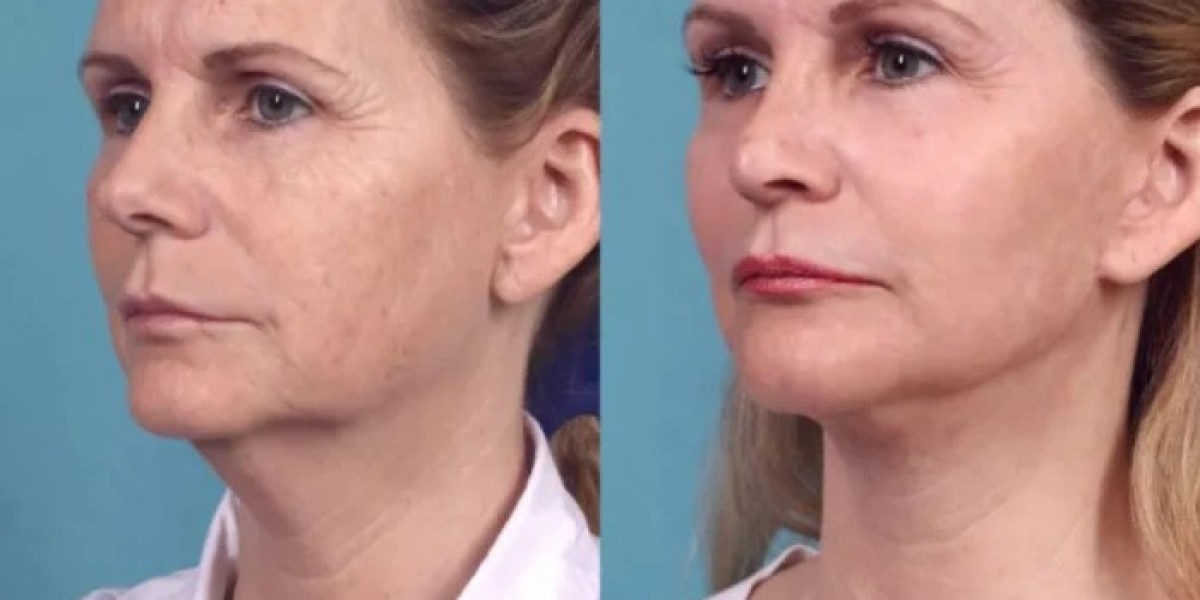

Understanding Chemical Peel Treatment in Dubai and the Importance of Preventing Skin Irritation
Chemical Peel Treatment in Dubai is a skincare option used to improve dullness, uneven skin tone, rough texture, and certain acne marks. Different chemical solutions are used depending on the skin concern and the depth of exfoliation required.
After treatment, the outer skin layers need time to recover. During this period, the skin may become more sensitive to sunlight, skincare ingredients, and environmental factors.
Preventing irritation is important because excessive inflammation can make recovery uncomfortable and may increase the risk of pigmentation changes.
Some common reactions after a chemical peel include:
Temporary redness.
Dryness and tightness.
Mild itching.
Skin peeling and flaking.
Increased sensitivity.
Slight swelling.
These reactions may vary depending on the peel's strength and individual skin condition. Following appropriate aftercare instructions can help keep the skin comfortable while it heals.
Chemical Peel in Dubai: Why Gentle Skincare Helps Prevent Irritation
Chemical Peel in Dubai is often considered by people who want smoother and healthier-looking skin. However, after exfoliation, the skin needs gentle care rather than aggressive skincare products.
The protective skin barrier may temporarily become weaker following treatment. Using strong cleansers, scrubs, or active ingredients too soon can increase dryness and irritation.
A gentle skincare routine should focus on three important steps:
Gentle Cleansing: Use a mild cleanser to remove dirt and excess oil without rubbing or irritating the treated skin.
Regular Moisturizing: Apply a suitable moisturizer to maintain hydration and reduce uncomfortable dryness.
Sun Protection: Protect the skin from direct sunlight because newly treated skin can be more sensitive to ultraviolet radiation.
Keeping the skincare routine simple during recovery is one of the easiest ways to reduce unnecessary irritation.
Chemical Peel Treatment Clinic in Dubai: Important Aftercare Habits for Healthy Skin
When researching a Chemical Peel Treatment Clinic in dubai, people often focus on treatment benefits and expected results. However, proper aftercare is equally important for maintaining skin comfort after exfoliation.
The skin needs time to renew itself naturally, so it is important to avoid habits that may interfere with recovery.
Some useful aftercare habits include:
Clean the face gently without scrubbing.
Use a fragrance-free moisturizer if suitable.
Apply broad-spectrum sunscreen with SPF 30 or higher.
Avoid picking or pulling peeling skin.
Stay away from excessive heat.
Avoid strong exfoliating products.
Keep the skin hydrated.
Follow the recommended recovery instructions.
These simple practices can help reduce irritation and protect the skin while it recovers.
Best Aesthetic Clinic in Dubai: Choosing the Right Skincare Products After a Chemical Peel
The keyword Best Aesthetic Clinic in dubai is commonly used when researching cosmetic skincare treatments. One important part of post-peel care is selecting products that do not irritate the sensitive skin.
After a chemical peel, the skin may react more strongly to ingredients that were previously tolerated without problems.
For this reason, using gentle and simple skincare products is generally preferable during recovery.
Mild Cleansers: Choose products that clean the skin without causing tightness or dryness.
Hydrating Moisturizers: Ingredients such as ceramides, glycerin, and hyaluronic acid can help maintain skin hydration.
Fragrance-Free Products: Fragrances may irritate sensitive skin, so fragrance-free options can be a suitable choice.
Gentle Sunscreens: Broad-spectrum sunscreen helps protect the skin from harmful ultraviolet rays.
Barrier-Supporting Products: Products designed to support the skin barrier can help maintain moisture and comfort.
Avoid introducing several new skincare products during recovery. Keeping the routine simple makes it easier to identify anything that causes irritation.
Best Plastic Surgeon in Dubai: Understanding Safe Ways to Prevent Post-Peel Skin Irritation
The keyword Best Plastic Surgeon in dubai is often associated with cosmetic skincare research. When discussing skin recovery after chemical peels, preventing excessive irritation is an important consideration.
Chemical exfoliation temporarily affects the outer skin layers. Therefore, the skin should be treated gently until its protective barrier has recovered.
Some important precautions include:
Avoid Harsh Exfoliation: Scrubs, exfoliating brushes, and strong acids can increase irritation after treatment.
Do Not Pick Peeling Skin: Pulling loose skin can cause small injuries, inflammation, and possible scarring.
Avoid Excessive Heat: Hot showers, saunas, and steam rooms may increase redness and discomfort.
Limit Sun Exposure: Direct sunlight can worsen sensitivity and increase pigmentation risks.
Avoid Strong Active Ingredients: Retinol, prescription retinoids, and exfoliating acids should not be restarted until appropriate for the skin's recovery stage.
Maintain Moisture: Regular moisturizing helps reduce dryness and supports the skin barrier.
The exact recovery routine depends on the depth of the peel, so aftercare instructions should always be followed carefully.
Celebrity Doctor in Dubai: Understanding Beauty Trends and Healthy Skin Recovery
The term Celebrity Doctor in Dubai is often connected with popular beauty treatments and celebrity-inspired skincare routines. Chemical peels are widely discussed because they can improve dullness, rough texture, and uneven skin tone.
However, maintaining healthy skin after treatment is more important than trying to achieve instant beauty results.
Many people make the mistake of returning to their regular skincare routine too quickly. Using strong exfoliants or trying several beauty products immediately after a peel may increase irritation.
A better approach is to allow the skin to recover naturally.
Remember these simple points:
Avoid following aggressive beauty routines.
Do not compare your recovery with other people.
Give the skin sufficient time to heal.
Use gentle skincare products.
Maintain regular sun protection.
Avoid unnecessary cosmetic treatments during recovery.
Healthy recovery should always be the priority.
Dr. Perfect Celebrity: How to Maintain a Smooth Skin Appearance Without Increasing Irritation
Dr. perfect celebrity is a keyword associated with celebrity-inspired beauty and cosmetic skincare searches. Many people want smooth, glowing skin after chemical exfoliation, but achieving healthy-looking skin requires patience and proper care.
The skin may appear dry, flaky, or slightly uneven during the early recovery period. These changes are not necessarily signs of a problem because the outer skin cells may be shedding naturally.
To support a comfortable recovery:
Use a gentle cleanser.
Apply a suitable moisturizer.
Avoid unnecessary makeup if the skin is irritated.
Drink enough water.
Protect the face from sunlight.
Avoid scratching or rubbing the skin.
Allow peeling to happen naturally.
It is important not to force the skin to peel faster. Natural recovery is generally safer than trying to remove loose skin manually.
Perfect Doctors Clinic: Common Skincare Mistakes That Can Cause Irritation After Chemical Peels
Perfect Doctors Clinic is a relevant keyword in cosmetic skincare searches. Understanding common aftercare mistakes can help people avoid unnecessary irritation following chemical exfoliation.
Some everyday habits may interfere with skin recovery.
1. Using Retinol Too Soon
Retinol promotes skin renewal but can cause dryness and peeling. Restarting it too early may increase irritation.
2. Applying Strong Exfoliating Acids
Glycolic acid, salicylic acid, and other exfoliating ingredients may be too strong for recently treated skin.
3. Scrubbing the Face
Physical scrubs can damage the recovering skin surface and increase redness.
4. Picking Loose Skin
Removing peeling skin manually can cause small wounds and increase the risk of infection or scarring.
5. Skipping Sunscreen
Sun exposure can worsen sensitivity and increase the possibility of dark spots.
6. Using Fragranced Products
Some fragrances and cosmetic ingredients may irritate sensitive skin during recovery.
7. Taking Hot Showers
Excessive heat can increase facial redness and discomfort.
Avoiding these mistakes can make the recovery process more comfortable.
Why Moisturizing Is Important for Preventing Skin Irritation After Chemical Peels
Moisturizing is one of the most important parts of post-peel skincare. Chemical exfoliation can temporarily reduce the skin's ability to retain moisture, causing dryness and tightness.
A suitable moisturizer helps support the protective skin barrier and maintain hydration.
Look for products containing gentle moisturizing ingredients such as:
Glycerin.
Ceramides.
Hyaluronic acid.
Squalane.
Panthenol.
These ingredients can help maintain moisture and improve skin comfort.
However, not every ingredient is suitable for every person. If a product causes burning, itching, or increased redness, stop using it and seek appropriate advice.
How Sun Protection Helps Prevent Irritation and Pigmentation After Chemical Peels
Sun protection is essential after chemical exfoliation. Newly treated skin can become more sensitive to ultraviolet radiation, making it easier for sunlight to cause redness and pigmentation changes.
To protect the skin:
Apply broad-spectrum SPF 30 or higher.
Reapply sunscreen according to product instructions.
Wear a wide-brimmed hat outdoors.
Avoid prolonged direct sunlight.
Stay in shaded areas whenever possible.
Avoid tanning beds and intentional tanning.
Sun protection should remain part of the daily skincare routine even after the skin has recovered.
People who are prone to pigmentation should be especially careful because inflammation and sunlight can contribute to dark spots.
How to Manage Dryness, Redness, and Peeling During Skin Recovery
Mild dryness, redness, and peeling are common after many chemical peels. The intensity and duration depend on the treatment depth and individual skin response.
Here are some simple ways to manage these symptoms.
For Dryness: Use a gentle moisturizer regularly to reduce tightness and maintain hydration.
For Redness: Avoid excessive heat, rubbing, and irritating products. Follow the recommended recovery routine.
For Peeling: Allow loose skin to shed naturally. Never pull or scratch peeling areas.
For Mild Discomfort: Avoid harsh products and keep the skincare routine simple.
If redness becomes severe, pain increases, or the skin develops blisters or unusual discharge, seek medical attention promptly.
Foods and Daily Habits That Support Healthy Skin Recovery
Healthy daily habits can support overall skin health while the skin recovers from a chemical peel.
Although food cannot replace proper aftercare, a balanced diet and adequate hydration contribute to general skin wellness.
Some helpful habits include:
Drink sufficient water throughout the day.
Eat fruits and vegetables regularly.
Include protein-rich foods in meals.
Choose foods containing healthy fats.
Get enough sleep.
Avoid smoking.
Maintain a balanced daily routine.
Nutrients such as vitamin C, vitamin E, zinc, and protein support normal skin function. A balanced diet can help maintain general health during recovery.
Warning Signs That Should Not Be Ignored After Chemical Peel Treatment
Although mild irritation may be expected, some symptoms require medical attention.
Watch for the following warning signs:
Severe or increasing pain.
Significant swelling.
Large or painful blisters.
Pus or unusual discharge.
Fever.
Spreading redness.
Signs of infection.
Persistent or worsening burning.
These symptoms should not be treated as ordinary peeling or dryness. Prompt medical assessment can help identify complications and prevent further problems.
Conclusion: Simple Ways to Prevent Skin Irritation After Chemical Peel Treatment
Preventing skin irritation after a chemical peel requires patience, gentle skincare, and consistent aftercare. Redness, dryness, peeling, and temporary sensitivity can occur during recovery, but unnecessary irritation can often be reduced by following suitable precautions.
Using mild cleansers, applying moisturizers, protecting the skin from sunlight, and avoiding harsh exfoliating products are important steps. It is equally important not to pick peeling skin or rush back into an intensive skincare routine.
Every person's recovery experience is different, and the depth of the chemical peel can influence how much care the skin requires. Following appropriate aftercare instructions and recognizing unusual symptoms can help support a healthier recovery.
Ultimately, healthy skin should always be the priority. A gentle routine, realistic expectations, and proper skin protection can help maintain comfort and support the natural healing process after chemical peel treatment.