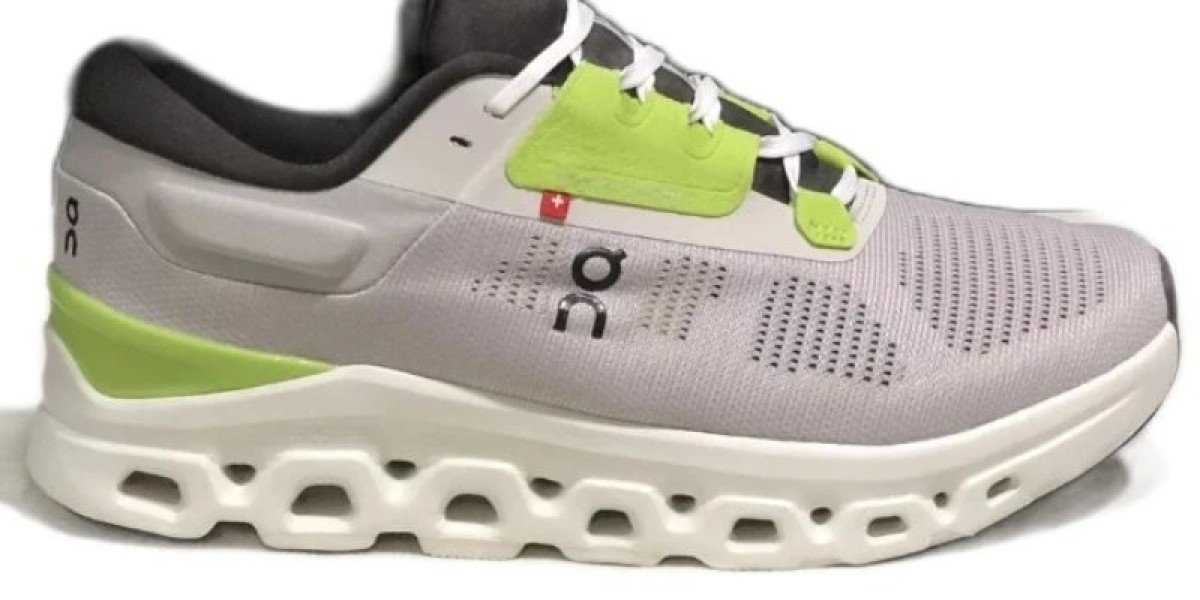

Walk past a display wall of On Running trainers—commonly called On Clouds—and it is easy to assume every pair delivers the exact same ride. Nearly every silhouette shares Swiss minimalist branding, hollow midsole cavities, and sleek engineered mesh uppers. Yet stepping into different On models exposes dramatic mechanical contrasts beneath that unified aesthetic. Foam density, pod geometry, internal Speedboard plates, and heel-to-toe drop vary sharply across the lineup—meaning choosing the wrong model for your daily routine often leads to premature foot soreness or rapid sole wear.
Everyday Lifestyle Icons: Cloud 6 vs. Cloudtilt
For casual city walking On Cloud airport travel, and all-day standing, buyers usually cross-shop the Cloud 6 and the Cloudtilt—two lifestyle-oriented silhouettes with distinct underfoot personalities. The Cloud 6 ($160) relies on classic open-cavity Zero-Gravity foam pods, an elasticated speed-lacing system, and a firmer, low-profile ground feel that works effortlessly beneath smart-casual trousers. Conversely, the Cloudtilt swaps open heel cavities for slanted, closed-channel CloudTec Phase geometry and plush Helion superfoam—delivering a noticeably softer, smoother heel-to-toe roll without trapping small gravel inside the outsole.
Max-Cushion Cruisers: Cloudmonster 2 vs. Cloudsurfer
When shoppers want serious shock absorption for long concrete shifts, recovery runs, or high-mileage road training, On’s max-cushion tier splits into two very different sensations. The Cloudmonster 2 stacks oversized CloudTec pods paired with dual-density Helion foam and a snappy nylon-blend Speedboard, producing a bouncy, propulsive, high-energy ride built for forward momentum. By contrast, the Cloudsurfer removes the rigid Speedboard plate entirely—relying on computer-modeled CloudTec Phase cavities that collapse sequentially like dominoes for a plush, ultra-smooth, natural transition.
Comparing Core On Cloud Models Side by Side
Breaking down On’s most popular silhouettes highlights how drastically each model differs in engineering and intended purpose:
Cloud 6 (Daily Lifestyle & Commuting): Lightweight 8mm drop, firm Zero-Gravity pods ukonclouds.com elastic slip-on laces, and minimal stack height tailored for short errands, travel, and casual office wear.
Cloudtilt (All-Day Walking & Travel): Plush Helion superfoam, closed-channel CloudTec Phase sole, and sock-like speed-laced upper engineered specifically for multi-hour urban walking without pebble trapping.
Cloudmonster 2 (Max-Cushion Running & Standing): Towering pod stack, dual-density superfoam, and responsive Speedboard delivering energetic bounce for road runners and twelve-hour hospital shifts.
Cloudsurfer / Cloudsurfer Next (Smooth Neutral Training): Speedboard-free CloudTec Phase midsole offering soft, rolling transitions for runners and walkers who dislike stiff under-foot plates.
Cloudflyer 5 & Cloudrunner 3 (Stability & Flat Feet): Wider midsole platforms, structured heel clips, and firmer medial support built to control inward overpronation on long miles.
Stability vs. Neutral Platforms: Choosing for Your Arch Type
Another crucial distinction hidden inside On’s catalog separates neutral trainers from dedicated stability shoes. Popular lifestyle models like the Cloud 6, Cloudtilt, and Cloudmonster sit on neutral platforms that allow natural foot movement—which feels effortless for balanced arches but can leave flat feet rolling inward after several hours. Stability models like the Cloudflyer 5 and Cloudrunner 3 widen the landing base, reinforce the heel collar, and add denser medial foam walls to guide overpronating ankles cleanly from heel strike to toe-off.
Speedboard Stiffness: Why Some Pairs Feel Snappy and Others Soft
What sits between the foam pods and your sockliner dictates much of how an On shoe behaves in motion. Firm propulsion models like the Cloudmonster 2 and race-focused Cloudboom Strike embed rigid nylon or carbon-infused Speedboard plates that snap the forefoot forward aggressively at faster paces. Meanwhile, softer daily cruisers like the Cloudsurfer eliminate the stiff plate altogether—proving that two On shoes with similar exterior silhouettes can feel completely opposite in flexibility and underfoot snap.
Durability Gaps Across Outsole Rubber and Pod Walls
Not all On Cloud shoes age at the same pace, especially when worn daily on abrasive asphalt and concrete. Lightweight lifestyle pairs like the Cloud 6 feature exposed Zero-Gravity foam pods with minimal high-abrasion rubber coverage—meaning heavy heel-strikers frequently see permanent pod creasing after four to six months. Higher-tier performance trainers such as the Cloudmonster 2, Cloudrunner 3, and Cloudsurfer reinforce high-wear heel and forefoot zones with thicker rubber outsole pads, extending usable midsole life closer to 400–500 miles.
Matching the Exact On Silhouette to Your Daily Routine
Ultimately, the real differences between various On Cloud shoes come down to pairing specific midsole hardware with how you actually move. Slip-on lifestyle models like the Cloud 6 and Cloudtilt excel at effortless travel and urban walking, max-cushion runners like the Cloudmonster 2 and Cloudsurfer absorb heavy concrete mileage, and stability builds like the Cloudflyer 5 protect flatter arches. Looking past the uniform Swiss aesthetic ensures you invest in engineered comfort rather than an expensive mismatch.
Frequently Asked Questions (FAQs)
Q1: What is the difference between the On Cloud 6 and the On Cloudtilt?
The Cloud 6 uses classic open-cavity pods with a firmer, lower-profile feel, whereas the Cloudtilt uses softer Helion superfoam and closed-channel CloudTec Phase geometry designed specifically for plush all-day walking without trapping pebbles.
Q2: Which On Cloud shoe has the most cushioning for standing all day?
The Cloudmonster 2 and Cloudsurfer offer the deepest shock absorption in On’s lineup, making them much better suited for 8-to-12-hour standing shifts than thin-soled lifestyle pairs like the Cloud 6.
Q3: Which On Cloud shoes are best for flat feet or overpronation?
The Cloudflyer 5 and Cloudrunner 3 are On’s dedicated stability shoes, featuring wider bases, structured heel counters, and firmer medial support to help prevent flat arches from rolling inward.